

What if your most essential tool is one accidental drop away from becoming a shattered paperweight? It's a valid fear. You've invested heavily in high-performance hardware, from the latest iPhone 17 to the 16-inch main display of a 2026 Tesla Model Y. Maintaining that pristine surface is about more than just aesthetics. It's about securing the integrity of your daily interface. Finding the right protection for screen surfaces often feels like a gamble between clarity and durability. You're likely tired of fighting air bubbles or losing that smooth, tactile response to a thick, clumsy layer of plastic.
We understand that your devices are valuable assets that deserve meticulous stewardship. This guide empowers you to master the art of display preservation. You'll learn to choose, apply, and maintain the perfect shield for any device in your arsenal. We'll explore the technical specifications of 9H tempered glass, the self-healing properties of hydrogel, and the specialized requirements of automotive and industrial displays. From eliminating glare to ensuring invisible yet rugged defense, we provide the expert roadmap to total screen longevity.
Key Takeaways
- Identify the material properties of tempered glass and hydrogel to select the ideal substrate for your device's curvature and impact risk.
- Implement a proactive protection for screen strategy to defend high-value hardware against mechanical stress and environmental degradation.
- Secure specialty displays in automotive and industrial environments by addressing unique challenges like extreme heat and high-intensity glare.
- Master the "Clean Room" application technique to ensure a professional, zero-dust finish on every installation.
- Prioritize precision-engineered dimensions over universal fits to maintain edge-to-edge integrity and flawless touch sensitivity.
Why Your High-Value Displays Need Advanced Protection for Screen Integrity
Modern display technology is a paradox. It's incredibly advanced yet remarkably fragile. High-end panels like OLED and Micro-LED deliver stunning visuals, but their thin, multi-layered construction makes them highly susceptible to micro-abrasions that dull clarity over time. Think of advanced protection for screen integrity as a precision-engineered sacrificial layer. It exists to absorb the mechanical and environmental stresses that would otherwise compromise your hardware. Proactive investment in a shield is a calculated move. Repairing a cracked display on a flagship device often costs a significant portion of the original purchase price. By installing a dedicated barrier, you transform a potential disaster into a minor, replaceable inconvenience.
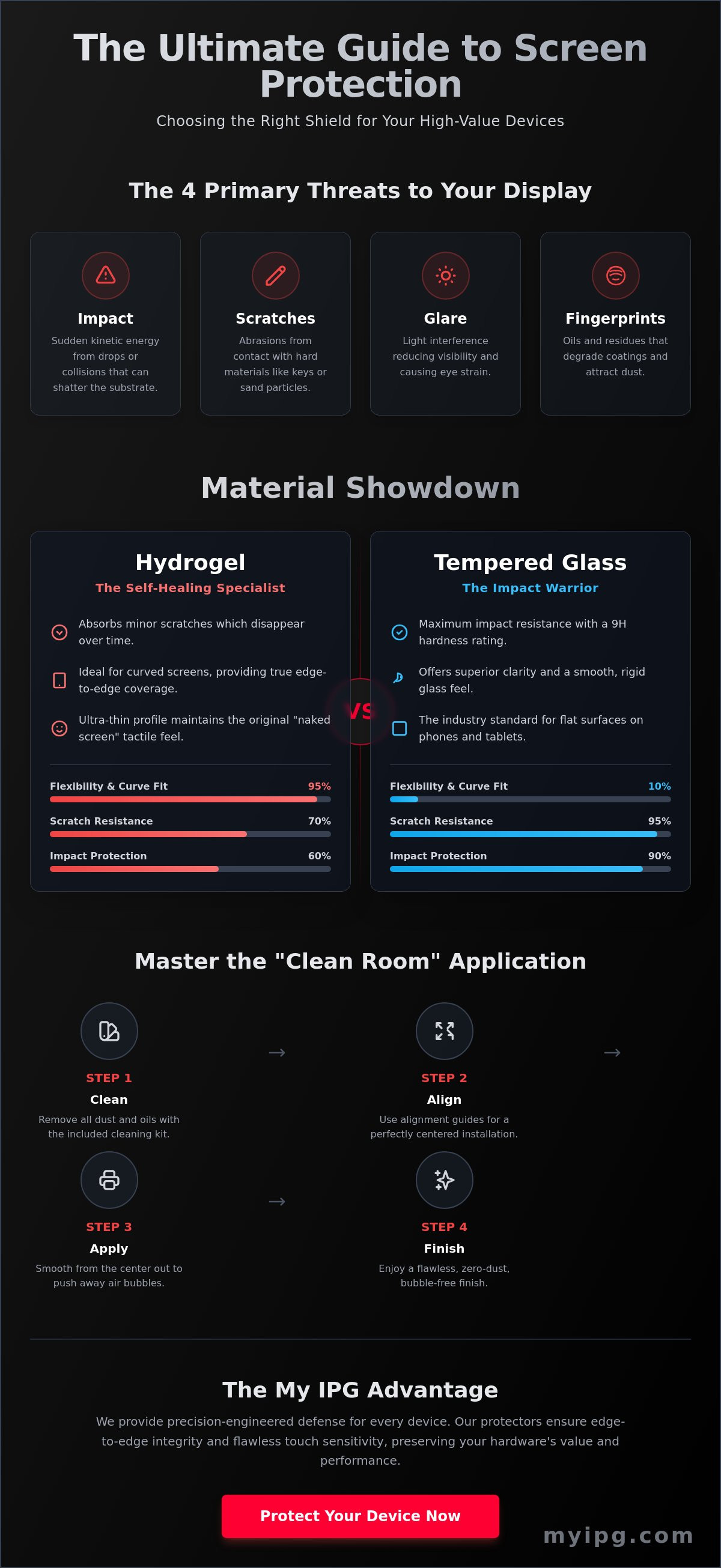
Displays face four primary threats every day:
- Impact: Sudden kinetic energy from drops or collisions that can shatter the substrate.
- Scratches: Physical deformation caused by contact with abrasive materials in pockets or bags.
- Glare: Light interference that reduces visibility and forces higher brightness levels, draining your battery.
- Fingerprint Oils: Chemical buildup that degrades factory-applied oleophobic coatings and attracts dust.
The Science of Sacrificial Layers
A protector's primary job is energy management. When an object strikes your device, the protective layer disperses the kinetic energy across its surface area. This prevents the force from concentrating on a single point of the underlying glass. For a deep dive into how these layers differ, you can review an overview of screen protector materials like PET, TPU, and tempered glass. Understanding material limits is essential; the Mohs hardness scale measures a material's resistance to being scratched, where common items like steel keys rank around 5.5 and quartz sand particles can reach a 7. Even "Gorilla Glass" isn't invincible. It's designed for impact resistance, but it still yields to the persistent abrasion of everyday debris.
Resale Value and Device Longevity
Maintaining a "mint condition" screen is the most effective way to preserve your device's trade-in value. Secondary markets demand flawless displays. A single visible scratch can slash hundreds off a resale price. Beyond physical damage, environmental factors play a role. Constant UV exposure can eventually affect the chemical bonds in your screen's top layers, leading to subtle yellowing or loss of contrast. Implementing a high-quality shield ensures your device looks and performs like new for years, providing essential protection for screen surfaces. For more details on choosing the right barrier for your specific hardware, see our definitive guide to screen protection.
How to Choose the Right Material: Hydrogel vs. Tempered Glass
Choosing the right material requires understanding the specific mechanical demands of your environment. You aren't just buying a generic accessory; you're selecting a specialized defense system. Modern materials in 2026 have advanced to the point where light transmission exceeds 99%, ensuring that the vibrancy of your OLED panel remains untouched. Whether you prioritize the rigid armor of tempered glass or the adaptive flexibility of hydrogel determines how your protection for screen surfaces handles the unexpected. Each material serves a distinct purpose in the ecosystem of device preservation.
Hydrogel: The Self-Healing Specialist
The IPG Original (Hydrogel) Screen Protector represents a leap in material science through its unique "memory" properties. Unlike rigid glass, hydrogel is a chemically-strengthened polymer that can absorb minor abrasions and return to its original state within minutes. This makes it the superior choice for curved edges found on modern smartphones and complex automotive interfaces. It provides seamless protection for screen surfaces where rigid protectors often fail to adhere or create unsightly gaps. Its ultra-thin profile achieves an "invisible" aesthetic, maintaining that premium naked-screen feel while guarding against daily wear. The molecular structure of these high-index polymers ensures that touch responsiveness remains fluid, even on high-frequency gaming displays.
Tempered Glass: The Impact Warrior
When maximum impact resistance is the priority for flat surfaces, tempered glass remains the industry standard. These protectors are heat-treated to achieve a 9H hardness rating on the ASTM D3363 scale, making them nearly immune to scratches from steel or common debris. An academic study on impact resistance confirms that tempered glass is highly effective at absorbing high-velocity shocks, acting as a structural failsafe for the underlying display. Modern iterations feature advanced oleophobic coatings that actively repel fingerprint oils and smudge buildup. While slightly thicker than film, precision engineering ensures that touch sensitivity remains instantaneous. The trade-off is simple: you gain a robust, glass-like feel at the cost of the slight bulk required for heavy-duty defense.
The 2026 generation of protectors has solved the old trade-off between durability and clarity. High-index polymers and ultra-clear glass now minimize light refraction, preventing the "rainbow effect" common in cheaper alternatives. This ensures that your high-resolution display retains its color accuracy and peak brightness. Whether you're navigating a cockpit or checking a message in direct sunlight, the right material choice ensures your visibility remains uncompromised. If you're looking for the most reliable defense, you can explore our precision-engineered collections to find the perfect fit for your specific hardware.
Tailoring Protection for Specialty Screens: From Tesla to Snap-on Tools
Generic protection fails when environmental variables shift. A smartphone protector is designed for a pocket; it's not equipped for the thermal loads of a car dashboard or the corrosive fluids of a marine engine room. Specialty displays require a dedicated protection for screen strategy that accounts for surface area, light refraction, and chemical exposure. Many industrial and automotive screens utilize different glass compositions than consumer electronics. While you might be familiar with the science of Gorilla Glass, many specialty HMIs prioritize cost-effective durability over scratch resistance. This leaves them open to micro-pitting and surface haze that can permanently obscure critical data.
Automotive and EV Display Care
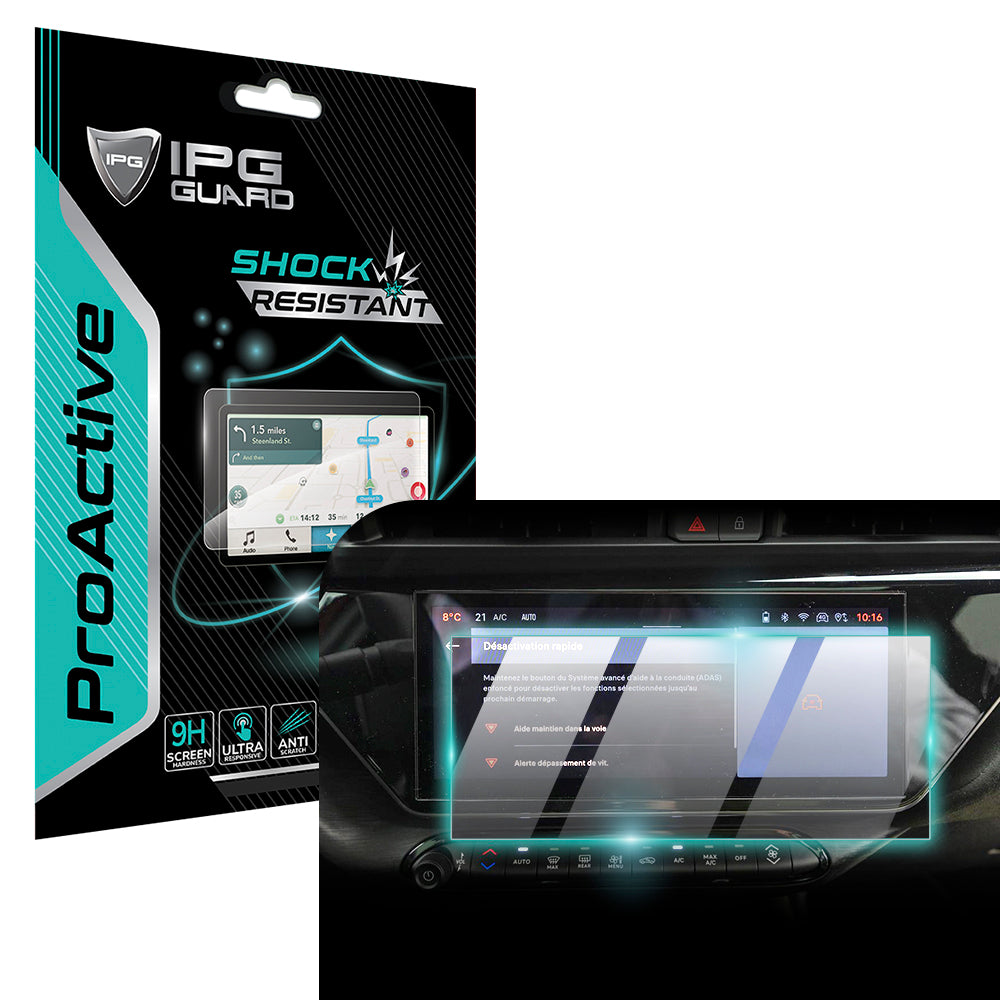
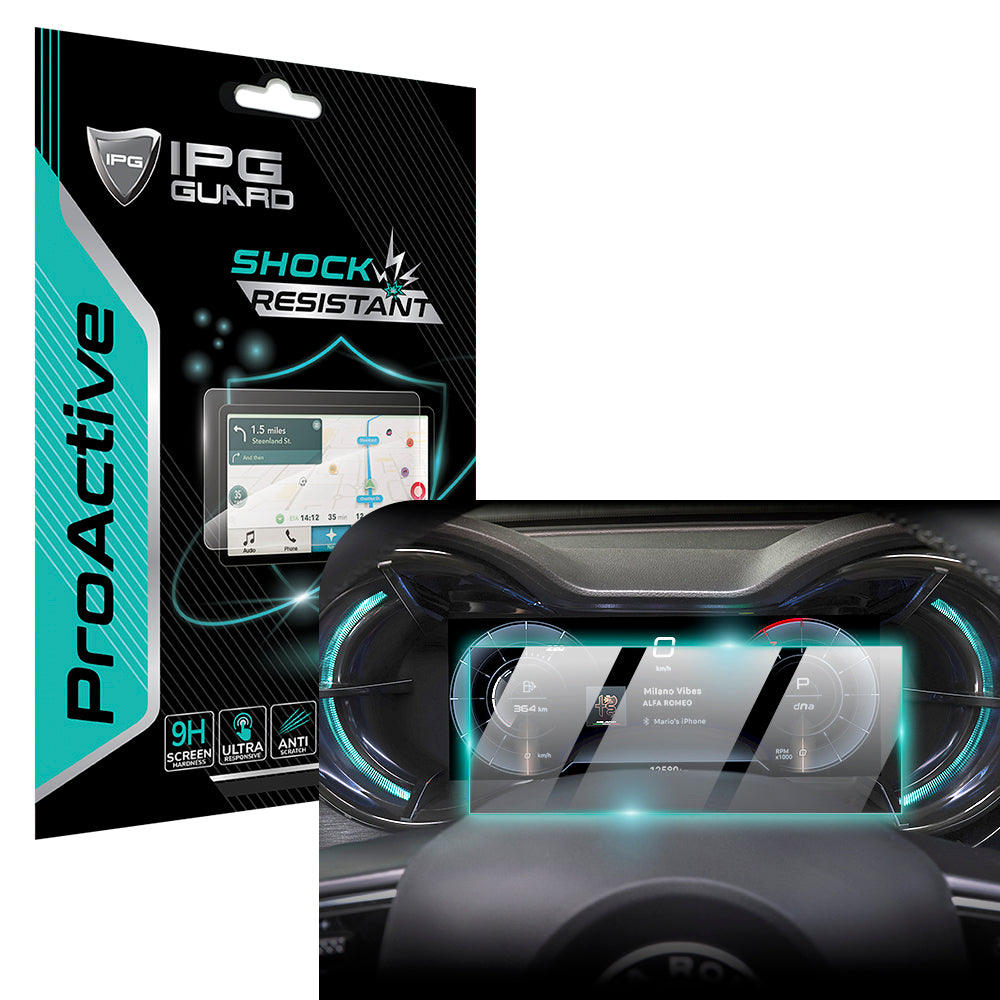
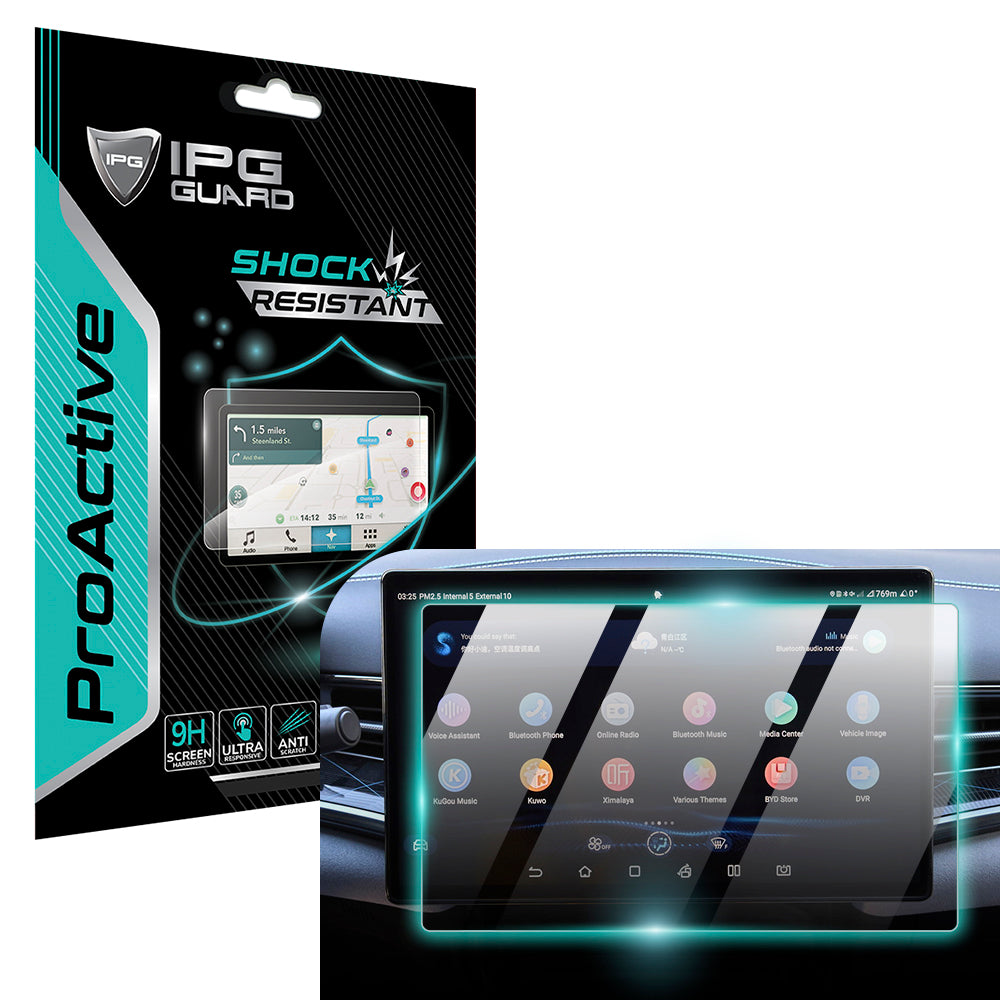
EV navigation hubs like the BYD SEAL 15.6-inch display or the Tesla Model Y refresh are the primary interfaces for vehicle control. Glare reduction is non-negotiable. A high-quality matte or anti-reflective shield prevents sun-blindness during critical maneuvers. These protectors must also withstand extreme cabin heat. Temperatures can reach 160°F in direct summer sun, causing inferior adhesives to bubble or delaminate. Precision-cut dimensions are vital. A "universal" fit will leave edges exposed to dust ingress and peeling, ruining the integrated aesthetic of your dashboard. For marine applications, the challenge intensifies with salt-water crystallization. Utilizing anti glare fish finder screen protectors ensures that your Lowrance or Garmin displays remain readable even when drenched in spray. Professional-grade protection for screen surfaces in these environments acts as a permanent barrier against salt etching and UV degradation.
Industrial and Professional Equipment
Workshops are hostile environments for technology. Tools like the Snap-on Triton or Autel MS919 are constant targets for oil, grit, and accidental drops. A specialist-grade shield acts as a chemical barrier. It prevents hydraulic fluids and solvents from etching the sensitive digitizer. Touch responsiveness is the priority here. Technicians often work with gloves or in high-humidity bays where moisture can cause ghost touches. Professional protection ensures that the HMI remains accurate and reliable. It’s about more than just avoiding a crack. It’s about maintaining the operational uptime of your most expensive diagnostic hardware. Whether you're using an Autel MaxiCharger or a Snap-on Apollo, the right shield ensures that grease and grime don't compromise your workflow. These protectors are engineered for high-impact zones, providing a sacrificial layer that preserves the underlying hardware in the most demanding manufacturing conditions.
How to Apply a Screen Protector Like a Specialist
Successful protection for screen installation is 90% preparation. Even the most advanced 2026 materials fail if applied to a contaminated surface. Professional-grade protection for screen surfaces requires more than just a steady hand; it demands a technical protocol. You must approach this process with the meticulousness of a specialist. Airborne dust is your primary adversary. It creates the micro-gaps that lead to permanent bubbling and visual distortion. By controlling your environment, you eliminate the variables that cause frustration. Professional results are achievable at home when you follow a structured, results-oriented methodology.
Eliminating the Enemy: Dust and Bubbles
Airborne particles are the most common cause of installation failure. Create a temporary "clean room" by running a hot shower for five minutes in your bathroom. The resulting humidity grounds airborne dust, preventing it from settling on your display during the critical application window. Use dust-removal stickers to lift any remaining micro-debris after your initial wipe. If you encounter resistance, learn how to get air bubbles out of screen protector materials without compromising the adhesive integrity. Never use sharp objects to lift the film. Use a soft-edged squeegee and move with consistent, outward pressure to sweep air toward the edges.
The 2026 Precision Installation Guide
Start with a deep clean using 70% isopropyl alcohol and a lint-free microfiber cloth. Dry fit the protector first to verify coverage. Use the "hinge method" by placing two pieces of tape on one side of the protector and the device frame to lock in the alignment. This prevents the shield from shifting once you remove the backing. Peel the protective layer slowly. Apply the shield from the center outward to minimize air entrapment. Mastering how to put a screen guard on like a pro ensures your device maintains its premium aesthetic and tactile response. Clean. Align. Apply. Protect.
Post-installation requires patience. Hydrogel materials often feature a 24 to 48-hour curing window. Small, hazy spots or micro-bubbles typically disappear as the adhesive settles into the microscopic pores of the glass. Avoid placing the device in tight pockets or rugged cases that might catch the edges during this period. Your patience secures the long-term bond. Ready to upgrade your device's defense? Browse our high-precision protection kits to start your installation today.
The IPG Advantage: Precision-Cut Defense for Every Device
Generic options often compromise the very hardware they intend to save. Off-the-shelf, "one size fits most" solutions frequently leave critical gaps where dust and debris accumulate. We provide a different path through IPG ProActive technology. This isn't just a film; it's a precision-engineered barrier tailored to the exact micron of your device's architecture. By choosing specialist-grade protection for screen surfaces, you ensure that your hardware remains in a perpetual state of readiness. We focus on the details that mass-market manufacturers ignore, ensuring that sensors, cameras, and speakers remain completely unobstructed.
Our commitment to 2026 device compatibility is absolute. Whether you're securing the sophisticated optics of an iPhone 17 or the expansive navigation hub of the latest EV models, our dimensions are exact. Universal sizes fail because they ignore the subtle curvatures and sensor placements unique to each model. We eliminate the overhang that causes peeling and the misalignment that obscures front-facing cameras. Every cut is a result of meticulous digital mapping. This precision-first approach ensures that your device maintains its original design language while gaining a rugged, invisible layer of defense.
Advanced Material Science: ProActive and ZeroDust
IPG ProActive films utilize high-performance polymers with aerospace origins, delivering military-grade durability without adding unnecessary bulk. The ZeroDust Screen Protector system revolutionizes the application process by virtually eliminating the margin for user error. This ensures a factory-finish look that maintains the original touch sensitivity and optical clarity discussed in earlier chapters. IPG serves as the premier guardian of choice for more than 40,000 unique device variations across the globe. This specialized material science doesn't just block scratches; it actively preserves the chemical integrity of your display's factory coatings.
Your Next Steps in Device Stewardship
Take a moment to assess your current fleet of screens. From the smartphone in your pocket to the diagnostic tools in your workshop, every display represents a unique need for specialized protection for screen integrity. Specialized protection is a one-time investment that pays dividends in long-term clarity and resale value. Don't overlook the smaller components that define your user experience. Explore our IPG Phone camera lens protector for complete mobile security and ensure every lens remains free from micro-scratches. Secure your technology today and maintain the pristine performance you expect from your high-value investments.
Secure Your Digital Future Today
We've navigated the technical landscape of modern display preservation. You now understand the vital distinction between rigid tempered glass and adaptive hydrogel. You've learned to tailor your defense strategy for specialized environments, from the thermal loads of an EV cockpit to the chemical exposure of an industrial workshop. Mastering the "clean room" application method ensures your hardware remains pristine and responsive without the frustration of trapped debris. Implementing high-performance protection for screen surfaces is a commitment to the longevity and resale value of your most essential tools.
IPG stands as the dedicated guardian of your technology. We utilize aerospace-grade materials and precision-cut engineering to support over 40,000 device variations. Our self-healing hydrogel technology ensures minor abrasions simply vanish, maintaining factory-fresh clarity for the life of your device. Your hardware is a significant investment that deserves professional-grade stewardship. Take the final step in securing your interface today.
Find the Precision-Cut Shield for Your Device at My IPG
Trust in the meticulousness of a specialist. Your screens are the windows to your digital world; keep them clear, responsive, and resilient.
Frequently Asked Questions
Do screen protectors really protect against drops?
Yes, they function as a robust sacrificial barrier for your device. Tempered glass is engineered to absorb and disperse kinetic energy upon impact. By shattering itself, the protector prevents the force from reaching the internal display substrate. This proactive protection for screen integrity ensures that a high-velocity drop results in a replaceable shield failure rather than a costly hardware repair. It's a calculated defense for your most expensive mobile assets.
Will a screen protector interfere with my phone’s fingerprint sensor?
Quality protectors maintain full sensor functionality without any detectable lag. Precision-engineered hydrogel and ultra-thin tempered glass are specifically designed for compatibility with modern ultrasonic and optical fingerprint scanners. Ensure you re-register your fingerprints after the installation process to account for the subtle change in surface depth. This simple step guarantees that your biometric security remains instantaneous, accurate, and completely reliable for daily use.
How often should I replace my screen protector?
Replace your shield immediately if it shows structural cracks, edge peeling, or deep surface pitting. Even small fractures in tempered glass compromise its ability to absorb future impacts. For hydrogel, replace the film if the self-healing properties no longer resolve surface scuffs or if the oleophobic coating has worn thin. Regular inspection ensures your protection for screen surfaces remains at peak performance for long-term hardware safety.
Can I reuse a screen protector after removing it?
You shouldn't attempt to reuse a protector once it has been removed from the glass. The specialized silicone adhesive layer is designed for a single, airtight bond. Lifting the protector inevitably introduces airborne dust and environmental contaminants that cause permanent bubbling upon reapplication. To maintain a factory-finish look and total surface adhesion, always start with a fresh, sterile shield for every device.
What is the difference between a privacy screen and a standard protector?
Privacy screens utilize specialized micro-louver technology to narrow the viewing angle significantly. This prevents bystanders from seeing your sensitive data from the side while maintaining clarity for the direct user. Standard protectors prioritize maximum light transmission and impact resistance without these specialized light-filtering layers. Choose privacy options for mobile devices used in high-traffic public spaces to maintain your digital confidentiality.
Does a screen protector affect the display quality or brightness?
Premium 2026 materials provide light transmission rates exceeding 99% for total clarity. This ensures that color accuracy, contrast, and peak brightness remain virtually identical to a naked screen. Low-quality alternatives can cause a distracting "rainbow effect" or unwanted light refraction. Professional-grade shields are engineered to be functionally invisible, preserving the premium visual experience of high-resolution OLED and Micro-LED panels without compromise.
How do I know which size protector I need for my car navigation?
Verify your vehicle's make, model, and specific trim year to ensure an exact match. Automotive displays, such as the 15.6-inch BYD SEAL or Tesla Model Y screens, require precision-cut dimensions for a seamless dashboard fit. Don't rely on diagonal screen measurements alone. A dedicated fitment accounts for specific sensor cutouts and integrated bezel designs that universal protectors will inevitably miss or obscure.
Can a screen protector hide existing scratches on my screen?
A high-quality protector can effectively mask existing micro-abrasions on your display surface. The silicone adhesive used in both tempered glass and hydrogel fills in light scratches, restoring a smooth surface and improving overall visual clarity. While it won't fix deep structural cracks in the glass, it prevents existing surface wear from feeling tactile and stops further environmental degradation of the screen.