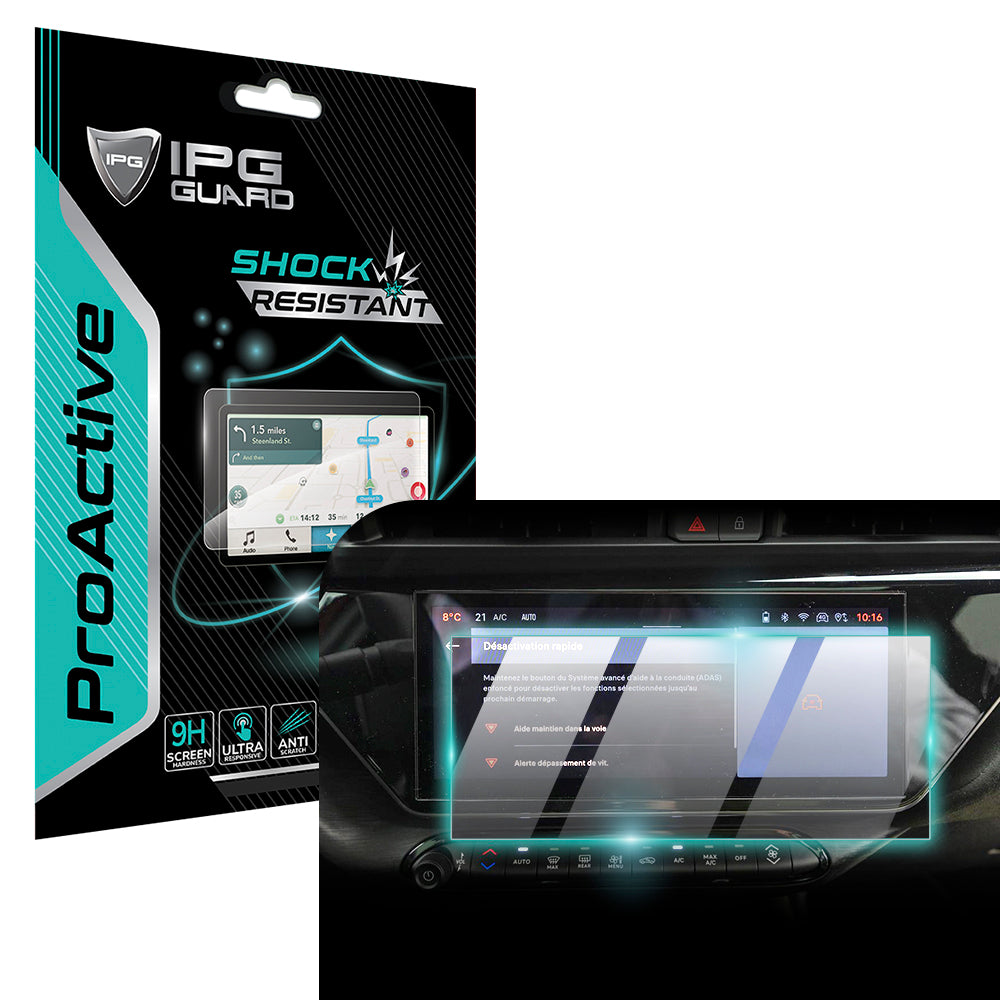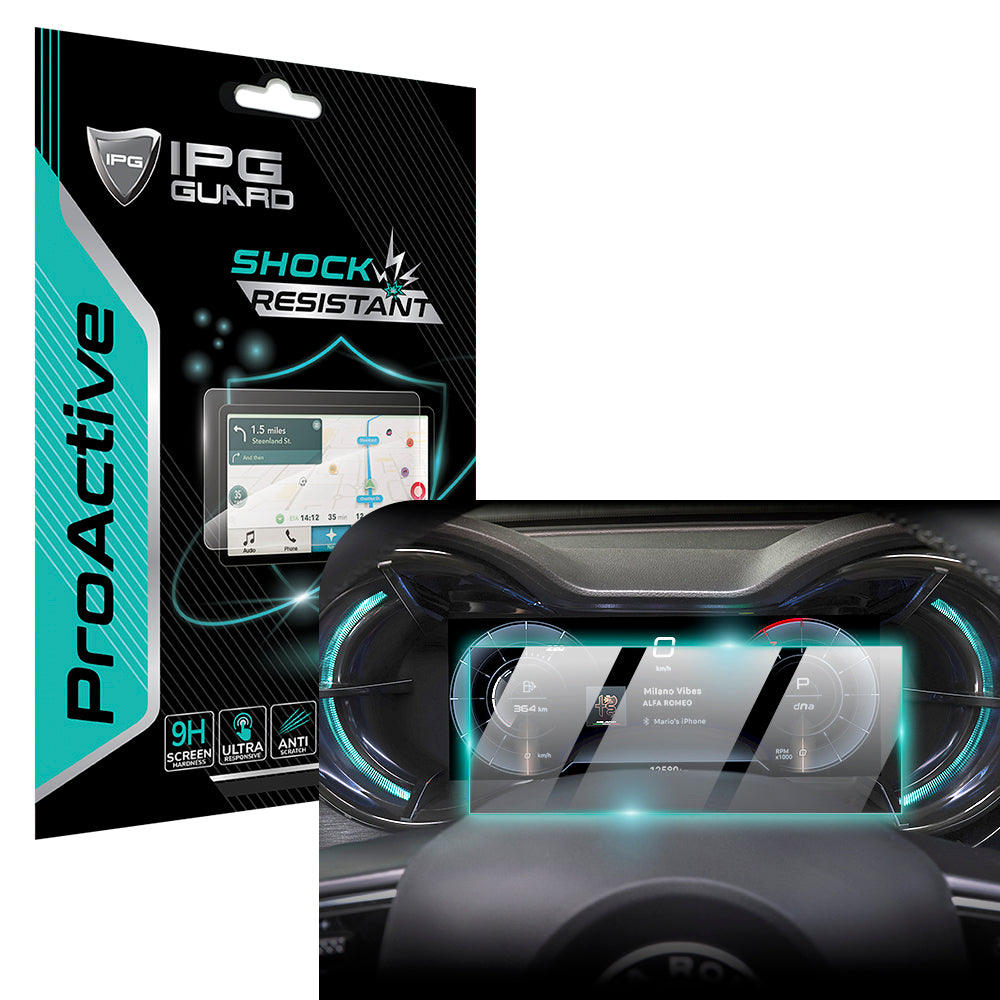

You're at the helm of your boat at high noon, squinting at a navigation display that has turned into a useless mirror. You've maxed out the brightness, but now your hardware is hot to the touch and the glare still won't budge. Finding the best screen protector for direct sunlight is the only way to stop this cycle of frustration and protect your hardware from heat stress. You've likely tried cheap matte films that made your high-resolution screen look like a grainy mess, or perhaps you're worried that a thick layer will kill your touch sensitivity. You deserve a professional solution that guards your high-value gear without compromising performance.
We've analyzed the 2026 landscape of anti-reflective coatings and durable aluminosilicate glass to help you reclaim your visibility. This guide breaks down the specific technologies required for EV navigation displays, motorcycle clusters, and marine electronics. You'll learn how to achieve crystal clear visibility in the harshest 12:00 PM sun while maintaining the responsive touch and sleek finish of your original display. We'll explore how advanced material properties can preserve your fishfinders and digital clusters. Let's secure your screens and stop the glare for good.
Key Takeaways
- Decode the physics of screen washout and learn how specialized films counteract harsh noon-day glare.
- Compare matte etching against anti-reflective coatings to find the best screen protector for direct sunlight without losing display resolution.
- Tailor your protection to your specific environment, from high-heat automotive cabins to salt-sprayed marine electronics.
- Master the 2026 standards for military-grade durability and oleophobic performance to keep fingerprints from magnifying sunlight reflection.
- Secure specialized hardware with precision-fit solutions designed specifically for high-value gear like navigation displays and motorcycle clusters.
Understanding Glare: The Science of Sunlight vs. Your Screen
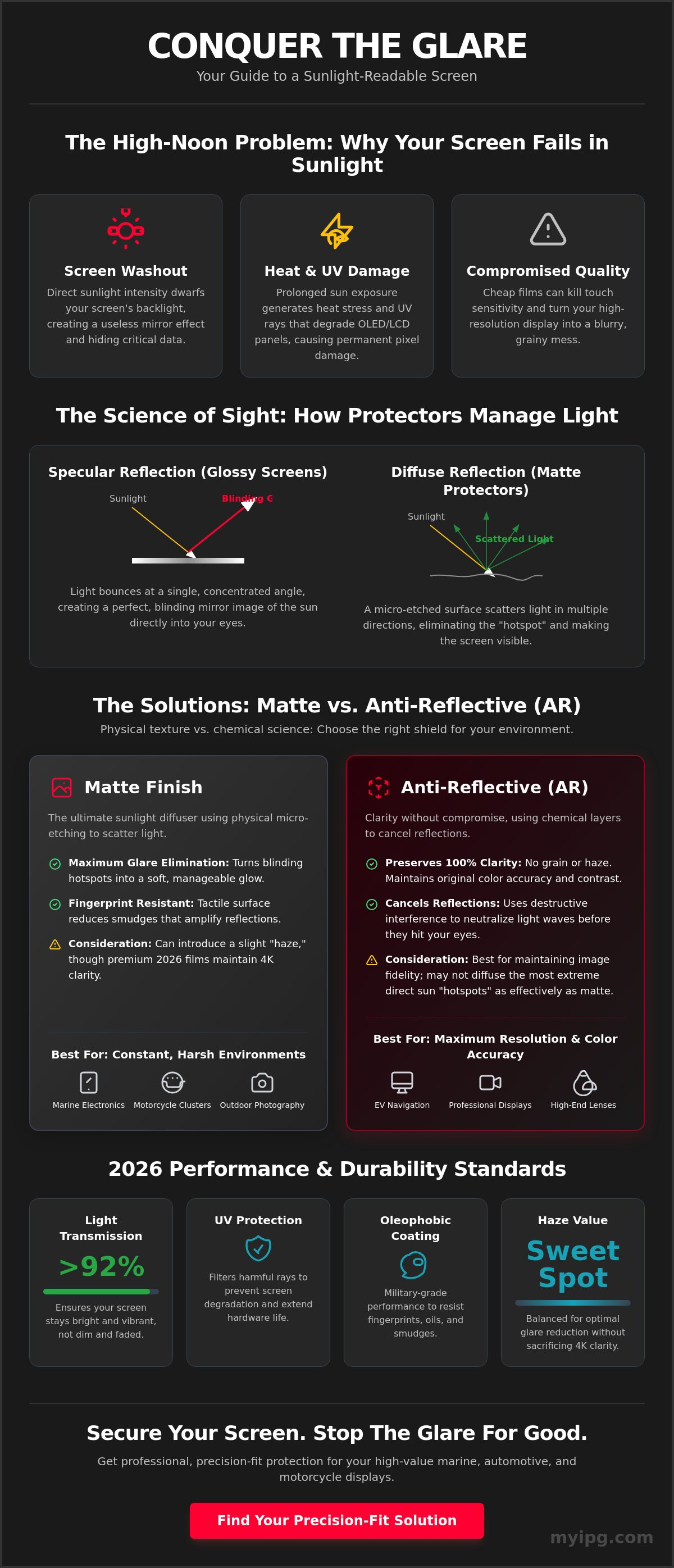
Anti-glare screen protectors are specialized films designed to minimize specular reflection. Standard displays rely on a glossy top layer to make colors appear vibrant, but this surface acts like a mirror in bright environments. When you step outside, direct sunlight hits your screen with an intensity that dwarfs your device's internal backlight. This creates "washout." Your display's nits simply can't compete with the sun's raw lumens. Finding the best screen protector for direct sunlight requires a technical understanding of how to manage this light interference without sacrificing display quality.
Visible light causes the blinding mirror effect you see at noon, but UV interference is equally problematic. High-gloss screens reflect the entire visible spectrum back at your eyes, creating a white-out effect that hides your data. Engineers measure the effectiveness of a solution using "Haze Value." This represents the specific percentage of light that is diffused as it passes through the film. A high haze value provides excellent glare reduction but can make text look fuzzy. Modern 2026 protectors aim for a "sweet spot" haze level that maintains 4K clarity while softening harsh light spikes.
Specular vs. Diffuse Reflection
Glossy screens produce specular reflection. Light bounces off the surface at a single, concentrated angle, creating a perfect image of the sun. Matte protectors use microscopic surface etching to create diffuse reflection. This texture scatters incoming light in multiple directions. It eliminates the blinding hotspot and allows your eyes to focus on the pixels underneath. Choosing the best screen protector for direct sunlight often involves weighing this diffusion against your need for raw pixel clarity. High-end 2026 protectors now achieve light transmission rates exceeding 92% to ensure your screen stays bright. Integrating an Anti-reflective coating is often the superior choice for users who demand maximum resolution without the grainy texture of traditional matte films.
The Role of UV Protection in Screen Longevity
Prolonged sunlight exposure does more than just cause visibility issues. It actively degrades your hardware. UV rays can cause organic compounds in OLED panels to break down, leading to color shifting or permanent pixel damage over time. This is especially critical for automotive and marine displays that sit under open sky for hours. A performance-grade protector acts as a barrier. It filters out harmful wavelengths to preserve the integrity of your LCD or OLED pixels. Think of it as stewardship for your technology. You aren't just fixing a glare problem; you're extending the lifespan of a high-value asset through superior material science.
Matte vs. Anti-Reflective (AR): Which Shield Wins?
Choosing the best screen protector for direct sunlight often comes down to a choice between physical texture and chemical science. Matte protectors use physical etching to scatter light. AR films use chemical layers to cancel it. Both serve as guardians for your display, but their performance profiles differ significantly depending on your environment. Understanding these differences is the first step in securing your high-value gear against the elements.
The Matte Finish: The Ultimate Sunlight Diffuser
Matte finishes are the workhorses of outdoor visibility. They are ideal for motorcycle clusters, outdoor photography, and field work where glare is constant. These protectors feature micro-etched surfaces that scatter incoming light rays. This process turns a blinding reflection into a soft, manageable glow. While some critics claim matte films cause blur, premium 2026 materials maintain high pixel density. They ensure your navigation data remains sharp even under the 12:00 PM sun. If you prioritize absolute glare elimination over raw color pop, matte is your specialized solution. It provides a reliable, tactile surface that resists fingerprints, further reducing the visual noise that sunlight often amplifies.
Anti-Reflective Coatings: Clarity Without Compromise
Anti-reflective (AR) technology offers a different path. Instead of scattering light, AR layers utilize destructive interference to "cancel out" reflections before they reach your eyes. This relies on the physics of anti-reflection, where specific coating thicknesses cause light waves to bounce off and neutralize each other. This is why professional camera displays and high-end lenses favor AR tech. It preserves 100% color accuracy and contrast. For your mobile photography, an IPG Phone camera lens protector uses this high-clarity approach to ensure your sensors capture pure light without ghostly flares. It's a sophisticated method of light management that keeps your screen looking as the manufacturer intended.
By 2026, the industry has shifted toward multi-layer hydrogel as the preferred carrier for these technologies. Hydrogel is flexible and durable. It allows for complex chemical stacks that traditional tempered glass struggles to host. This material provides a secure, self-healing foundation that protects your investment while maximizing visibility. Whether you need the heavy-duty diffusion of matte or the surgical precision of AR, selecting the right shield is about preserving what you value most. Explore our precision-cut screen protectors to find the specialized fit your device requires for peak performance.
Selecting the Best Protector by Device and Environment
Selecting the best screen protector for direct sunlight requires matching the material to your specific light intensity. A coastal environment with 100% UV exposure demands different properties than a climate-controlled office. Large-format displays, such as those found in modern EVs, face extreme thermal expansion. As temperatures inside a parked car climb, the screen and its protector expand. Rigid glass can lift or crack under this physical stress. Specialized hydrogel films provide the flexibility needed to stay bonded through these intense temperature swings. We treat every device as a high-value asset that deserves a tailored shield.
Automotive and EV Navigation Screens
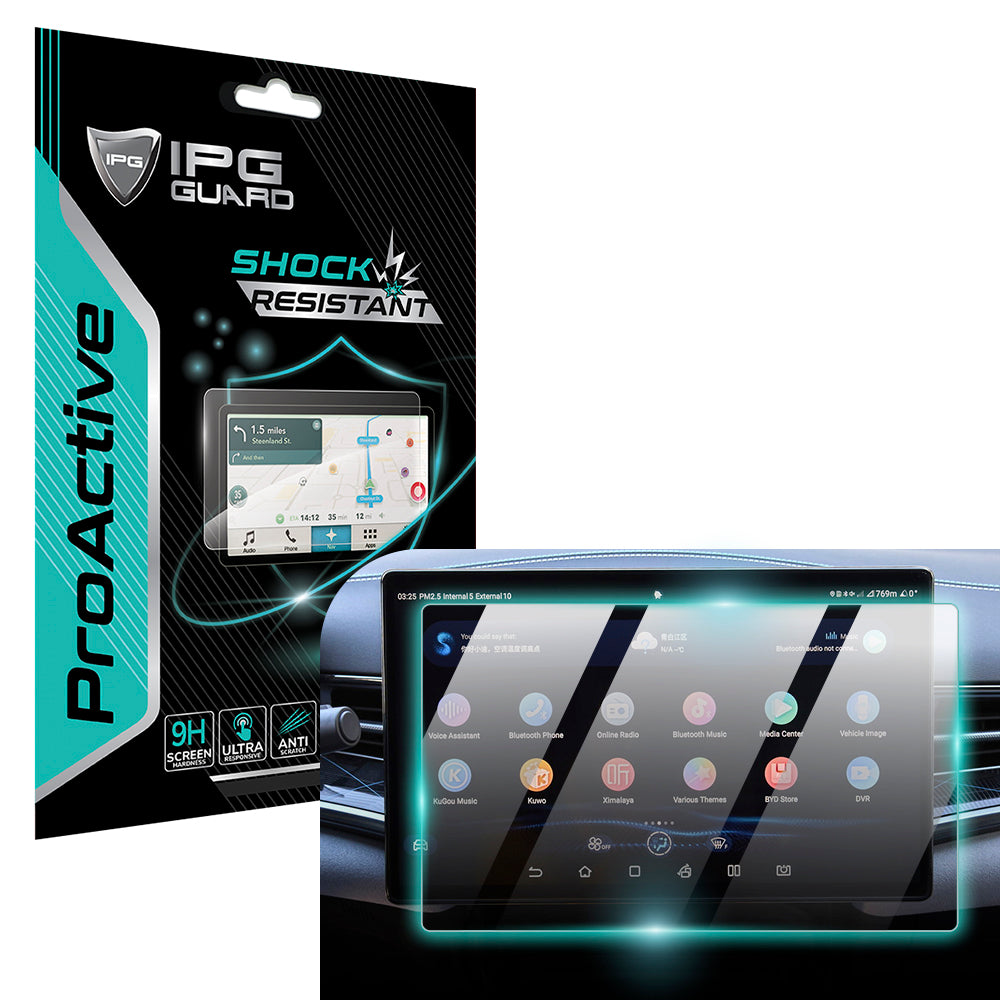
Tesla Model 3 and Model Y owners face a unique "windshield glare" problem. The massive glass roof and raked windshield turn the cabin into a greenhouse. This washes out the central navigation hub and makes maps unreadable. Tempered glass often fails here. It can shatter in a high-impact collision, turning into dangerous projectiles inside the cabin. Use the IPG Original (Hydrogel) Screen Protector instead. It offers superior heat resistance and remains completely shatterproof. For specialized cockpits, we provide the IPG ProActive for BYD 2022‑2025 SEAL Navigation Display Screen Protector (15.6" inch). This precision-cut shield manages glare on the SEAL's expansive display without hindering the rotating screen mechanics. It preserves the sleek aesthetic of your high-value interior while ensuring your navigation is visible at every turn.
Marine and Industrial Displays
Open-water navigation presents the ultimate visibility challenge. Salt spray and overhead sun combine to make standard screens unreadable. Protect your Lowrance Eagle 4" or Elite HDS Pro fishfinder with a dedicated marine-grade shield. These protectors must resist salt crystallization while cutting through high-noon reflections. Investing in the best screen protector for direct sunlight is a necessity for anyone operating professional-grade equipment in the field. In the industrial sector, visibility is a safety requirement. Technicians using Snap-on Triton or Autel MaxiSYS diagnostic tools often work in open-air garages or bright service bays. Glare on these screens leads to input errors and costly downtime.
Our IPG Snap-on Triton Apollo Solus +screen protector ensures your data remains visible in high-glare environments. For those in dusty workshops, the IPG Zerodust Screen Protector provides a critical advantage. It prevents debris from adhering to the surface. Fingerprints and dust particles catch sunlight and magnify glare. Keeping the surface pristine is essential for maintaining optical clarity. Whether you're on a boat or in a high-paced workshop, precision-cut edges ensure a seamless fit that won't peel under heavy tactile use. Secure your gear with materials engineered for the harshest light.
Durability and Outdoor Performance Standards
The 2026 standards for military-grade protection have evolved beyond simple drop tests. High-performance shields must now demonstrate structural integrity under extreme UV radiation and intense thermal cycling. This is the benchmark for the best screen protector for direct sunlight. We utilize advanced aluminosilicate polymers that provide 9H hardness while remaining incredibly thin. Film thickness is a critical factor for modern capacitive displays. A protector that is too thick will dampen haptic feedback and reduce touch sensitivity. Our precision-engineered films maintain a profile under 0.2mm. They deliver a "naked screen" feel while acting as a heavy-duty guardian for your technology.
Scratch management is another pillar of outdoor visibility. The IPG Original (Hydrogel) Screen Protector features a specialized self-healing top layer. Minor abrasions from sand, grit, or keys disappear within 24 hours as the polymer returns to its original state. Without this technology, every micro-scratch becomes a tiny prism. These imperfections catch the sun and create distracting glints that obscure your data. By maintaining a perfectly smooth surface, you ensure that light passes through the film instead of bouncing off surface damage. It's a meticulous approach to preserving the financial and functional value of your gear.
Thermal Stability in Direct Sun
Direct sunlight can heat a device surface to over 160°F in minutes. Cheap protectors often bubble or peel because their low-grade adhesives outgas at these temperatures. This is a common failure in motorcycle cluster displays and car dashboards. Professional-grade protectors utilize high-bonding, cross-linked adhesives designed for aerospace applications. These materials prevent delamination and edge-lifting even in the harshest climates. A professional screen protector must withstand a temperature range of -30°C to 85°C without losing its bond or optical clarity. Secure your display with a material that won't retreat when the heat intensifies.
Fingerprint Resistance and Sunlight
Skin oils are the enemy of outdoor visibility. They create a greasy haze that magnifies sunlight reflections and turns your display into a cloudy mess. Maintaining the "Zero Dust" standard is essential for an invisible, protective shield. The IPG Zerodust Screen Protector uses a premium oleophobic coating to repel these oils. It keeps your display pristine and ensures that the only thing you see is your data. Clean your display with a high-density microfiber cloth before every outdoor session to maximize the effectiveness of this coating. Upgrade to an IPG Original Hydrogel protector to experience a surface that stays clear and responsive regardless of the light conditions.
The IPG Solution: Precision Protection for Every Light Condition
IPG stands as the global specialist in precision-cut, high-performance protection. We don't just sell films; we act as the dedicated guardian of your technology. Our catalog spans from the latest iPhone 17 to specialized Harley-Davidson cluster displays. Every cut is meticulous. Every material is chosen for its specific light-filtration properties. When you seek the best screen protector for direct sunlight, you need a partner that understands the emotional and financial value of your gear. We treat your high-value items with the stewardship they deserve.
The IPG Original (Hydrogel) Screen Protector represents our final recommendation for the most balanced sunlight experience. While tempered glass is a common choice, it often falls short in high-heat, high-glare outdoor environments. Hydrogel is the superior sunlight-friendly alternative. It is flexible, self-healing, and remains perfectly bonded to curved displays. It hosts advanced anti-reflective coatings without the bulk or shattering risks of traditional glass. This material ensures your screen remains a window to your data, not a mirror of the sky. It preserves the sleek aesthetic of your device while maximizing its functional life.
Why IPG Leads in Specialized Protection
Our manufacturing process utilizes industrial-grade precision. We provide tailored solutions for complex tools like the IPG Snap-on Triton Apollo Solus +screen protector. These aren't generic sheets; they are custom-fit shields designed for high-tactile usage in professional bays. We support global tech explorers with worldwide shipping, ensuring your equipment stays protected whether you're in a city or on the open sea. You receive professional-grade materials handled with care and engineered for peak performance. Our expertise in material science allows us to offer protection that generic brands simply cannot match.
Ready to See Your Screen Again?
Stop fighting the sun and start protecting your high-value investments today. Glare is a solvable problem when you use the right material science. Our collection of anti-glare and high-clarity protectors is designed to preserve what you value most. Don't let your navigation screens, fishfinders, or camera lenses suffer under the noon-day sun. Reclaim your display's original clarity and protect your hardware from thermal stress. Secure your visibility with IPG High-Performance Protectors and trust the specialist to keep your gear safe and visible in every light condition.
Secure Your Visibility for the Road Ahead
Mastering screen visibility in the harshest 12:00 PM sun requires a shift from generic accessories to professional-grade protection. You now understand that the best screen protector for direct sunlight must balance light diffusion with high-resolution clarity. Whether you're navigating open waters or managing a high-heat EV cabin, your display deserves a shield that won't bubble, peel, or shatter. We provide precision-cut solutions for over 10,000 devices, ensuring a perfect fit for everything from the latest smartphones to specialized industrial clusters.
Professional mariners and mechanics trust our materials to perform where standard glass fails. Our advanced hydrogel self-healing technology actively repairs micro-abrasions to keep your view unobstructed and your hardware pristine. Don't let glare dictate your productivity or safety. Take control of your display's performance and protect the technology you value most. It's time to experience your screens as they were meant to be seen, regardless of the light conditions.
Shop IPG High-Performance Screen Protectors and secure your gear today.
Frequently Asked Questions
Which is better for sunlight: matte or glossy screen protectors?
Matte protectors are superior for sunlight because they utilize physical surface etching to diffuse incoming light rays. Glossy protectors act as mirrors, causing concentrated specular reflection that completely washes out your display data. If your environment involves constant overhead sun or high-glare conditions, a matte finish provides the most reliable visibility for your high-value gear.
Do anti-glare screen protectors make the screen look blurry?
High-quality anti-glare protectors don't make the screen look blurry, though they may introduce a subtle texture known as "sparkle." Premium 2026 materials use microscopic etching to ensure text remains crisp while eliminating blinding hotspots. Low-grade matte films often cause graininess, so selecting a professional-grade material is essential for maintaining the clarity of high-resolution displays.
Can I use a privacy screen protector in direct sunlight?
You can use a privacy screen protector in direct sunlight, but it may reduce overall brightness compared to a dedicated anti-glare film. Privacy filters use micro-louvers to block side-angle viewing, which can slightly dim the screen. For the absolute best screen protector for direct sunlight, we recommend a specialized anti-reflective or matte hydrogel over a standard privacy filter.
What is the best screen protector for a Tesla navigation screen?
A flexible hydrogel film is the best solution for a Tesla Model 3 or Model Y navigation screen. Rigid tempered glass can crack under the extreme heat found in sun-soaked car cabins. Our hydrogel protectors are shatterproof and provide superior heat resistance. This ensures the central display remains readable and secure throughout the life of the vehicle.
How do I install a screen protector without air bubbles in an outdoor environment?
Avoid installing screen protectors outdoors if possible because wind carries dust that creates bubbles. If you must, use a "wet" application method to trap particles before the film makes contact. Ensure the surface is perfectly clean using a microfiber cloth and specialized cleaning solution to create a vacuum-sealed bond between the display and the protector.
Will a screen protector help prevent my phone from overheating in the sun?
A screen protector doesn't directly cool your phone, but an anti-glare film allows you to see the display at lower brightness settings. Using max brightness in direct sunlight generates significant internal heat. By reducing the need for peak output, the best screen protector for direct sunlight helps mitigate the thermal stress that leads to hardware throttling.
Does a matte protector affect the use of an Apple Pencil or stylus?
Matte protectors actually improve the stylus experience by providing a paper-like texture and slight resistance. Glossy screens can feel slippery and unnatural for digital artists or note-takers. The microscopic etching on a matte surface gives you better control over the tip while simultaneously cutting down the glare that can distract from precise creative work.
How long do anti-reflective coatings usually last?
Professional anti-reflective coatings typically last between 12 and 24 months depending on usage and cleaning habits. Harsh chemicals and abrasive cloths can strip the coating over time. To preserve the integrity of the film, clean your screen only with water or specialized display cleaners and a soft microfiber cloth to avoid microscopic wear on the protective layer.