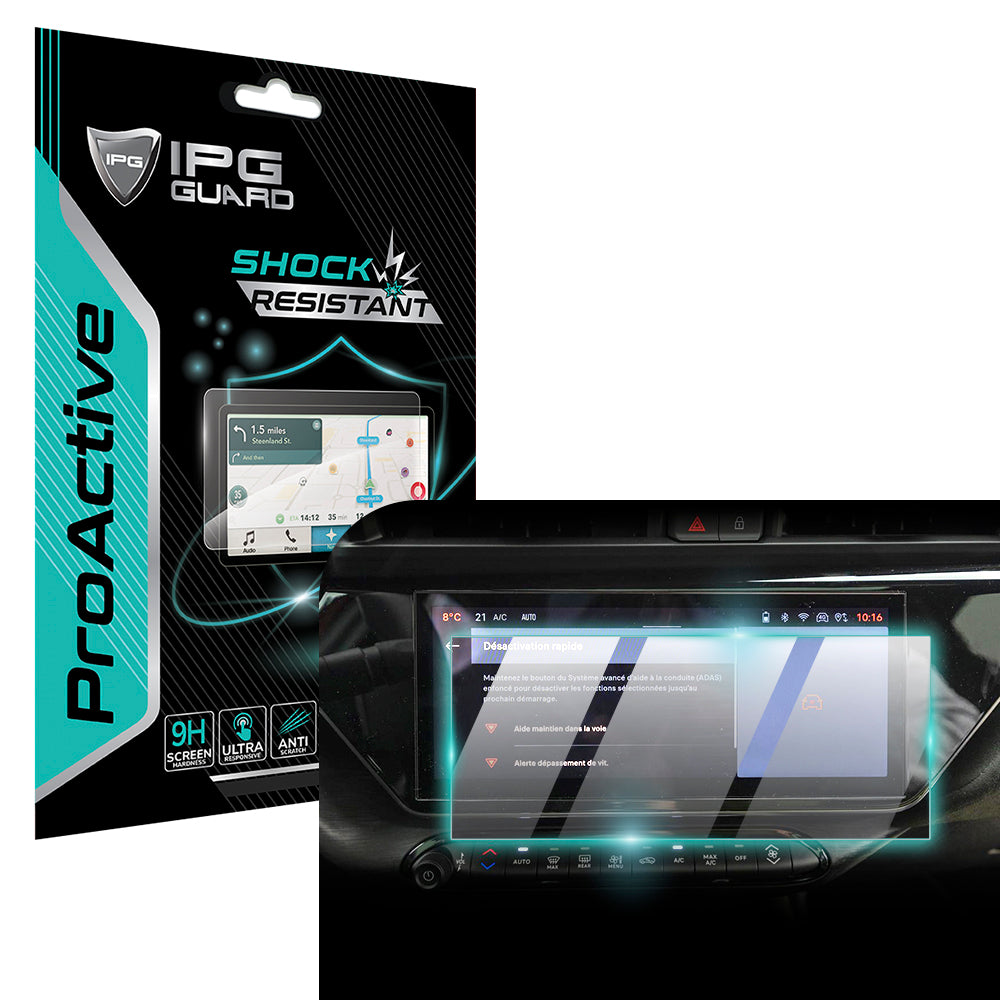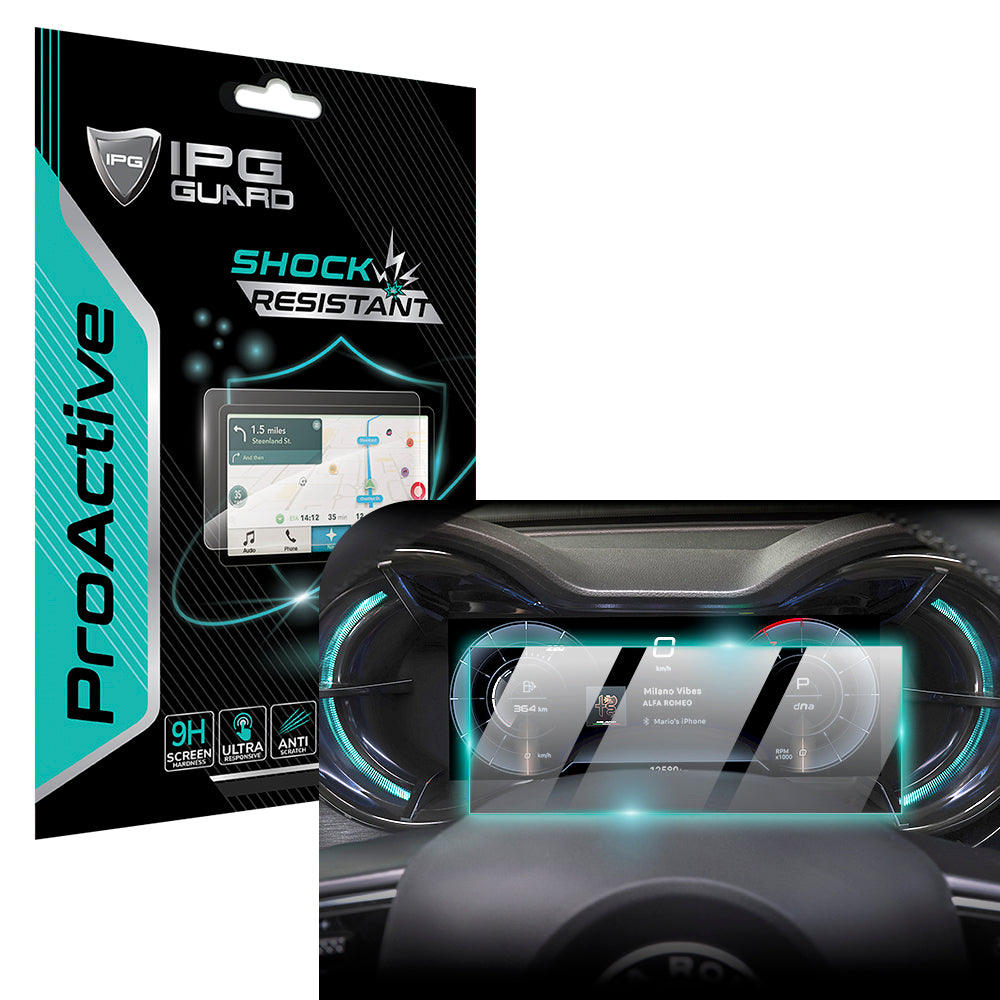


What if the most expensive component in your vehicle's interior is also the most vulnerable to a single set of keys? You likely chose your car for its advanced digital cockpit, yet you're now battling blinding sun glare and a constant layer of oily fingerprints. It's a common frustration for drivers who value a pristine cabin. Installing a high-performance car navigation screen protector is the most effective way to safeguard this high-value asset against daily wear and tear.
We understand your commitment to maintaining your vehicle's integrity. This guide shows you how to preserve your infotainment system with precision-engineered protection that eliminates glare and prevents permanent damage. Discover the technical advantages of specialized hydrogel films, including custom fits for the BYD Seal and Tesla. We'll preview how advanced light filtration improves visibility, reduces cleaning frequency, and secures your resale value in an automotive smart display market projected to reach $15 billion by 2026.
Key Takeaways
- Understand why IPG Original (Hydrogel) provides superior flexibility for modern, curved dashboard designs compared to traditional tempered glass.
- Learn how a precision-engineered car navigation screen protector eliminates dangerous center console glare while shielding your display from heat and UV degradation.
- Identify the critical differences between universal trimmable films and precision-cut shields for high-end infotainment systems like the BYD Seal and Tesla.
- Master the IPG Zerodust application technique to eliminate the primary cause of installation failure and ensure a crystal-clear, bubble-free finish.
- Discover why treating your cockpit as a high-value asset through professional-grade protection is essential for preserving the integrity of modern digital interfaces.
Why Your Car Navigation Screen Requires Specialized Protection
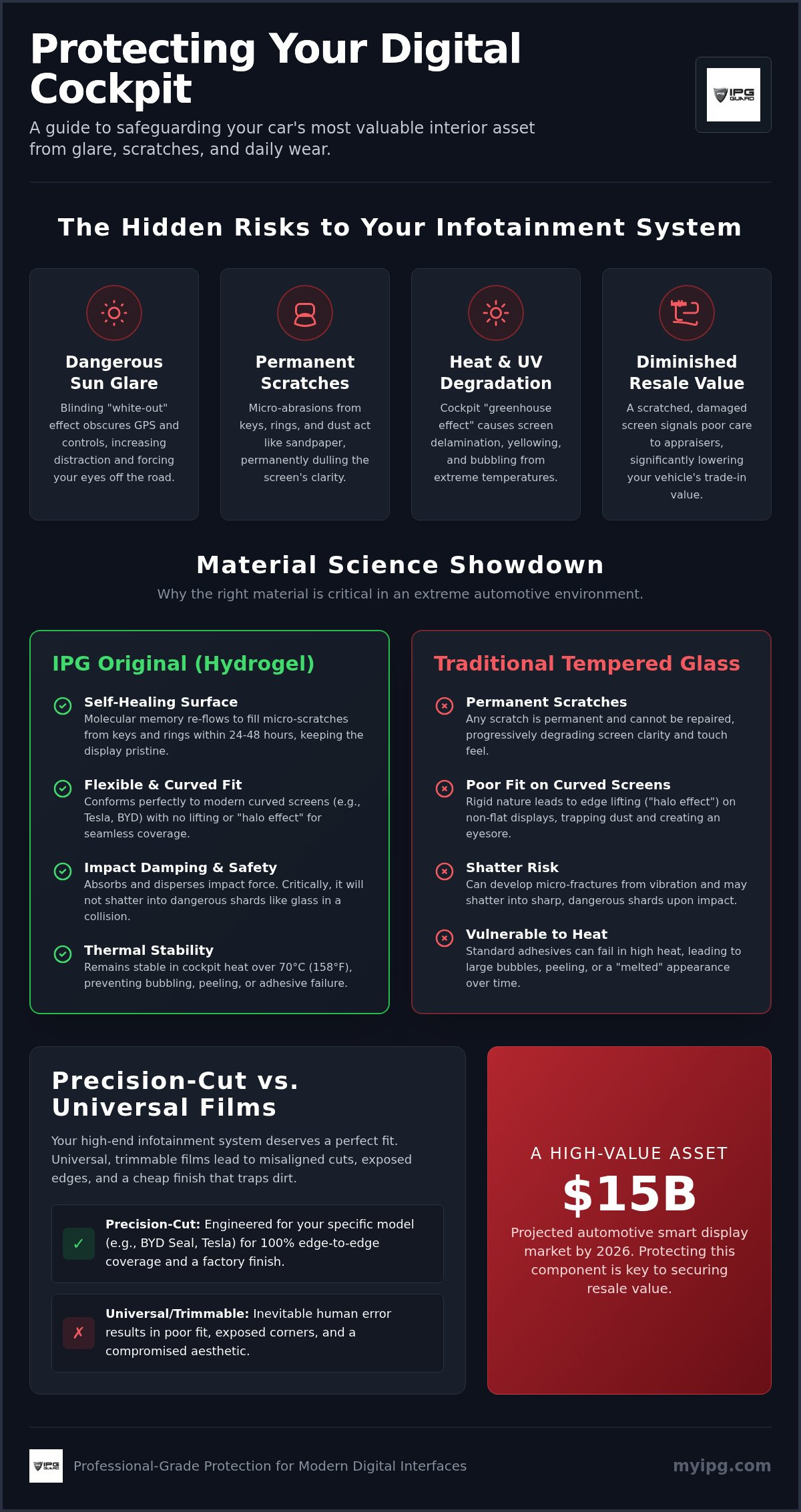
Your vehicle's dashboard acts like a greenhouse. It traps thermal energy and amplifies UV radiation directly onto your sensitive infotainment display. Standard consumer electronics don't face these extreme conditions, but your vehicle does every day. Without a dedicated car navigation screen protector, the factory anti-reflective coating can delaminate or yellow over time. This isn't just a cosmetic issue. It is a slow degradation of the most expensive component in your cockpit.
Safety remains the primary concern for any driver. The "Center Console Glare" problem occurs when sunlight hits the screen at a specific angle, creating a blinding white-out effect. This reflection obscures your GPS map and climate controls, forcing you to take your eyes off the road for longer than is safe. High-performance shields manage this light filtration effectively. They ensure that even in direct mid-day sun, your interface remains sharp and legible.
The Hidden Risks of an Unprotected Display
Daily use introduces micro-abrasions. Dust particles act like sandpaper when wiped away with a dry cloth or a sleeve. Over months, these tiny scratches dull the screen's clarity. Furthermore, interior detailing sprays and hand sanitizers often contain harsh chemicals. These solvents can eat through the original oleophobic coating, leaving the screen prone to permanent smudging. A specialized protector acts as a sacrificial barrier against these chemical agents and accidental impacts from loose cabin objects.
Safety First: Reducing Distraction Through Clarity
Modern driving requires instant access to digital information. Anti-glare technology is essential for maintaining visibility during peak sunlight hours. Our precision-engineered films ensure 100% touch responsiveness, so your critical GPS inputs and safety alerts never lag. You don't have to sacrifice performance for protection. Automotive screen protection is a safety-first investment that ensures your digital controls remain visible and responsive when every second of attention counts.
Material Science: Hydrogel vs. Tempered Glass for Your Car
Choosing the right material for your car navigation screen protector is a technical decision that impacts both safety and longevity. Many retailers prioritize tempered glass because it's familiar to smartphone users. However, the automotive environment is vastly different from your pocket. High-vibration cabins and extreme temperature swings make traditional glass a risky choice. Tempered glass can develop micro-fractures over time; in a collision, it may even shatter into dangerous shards near your face and hands.
IPG Original (Hydrogel) offers a superior engineering alternative. This flexible, high-tensile polymer conforms to the complex geometries of modern dashboards. It's the preferred choice for the 15-inch+ displays found in modern EVs. As manufacturers integrate advanced materials in modern vehicles, screens are becoming larger and more curved. Hydrogel's elastic nature allows it to wrap edge-to-edge without the lifting or "halo effect" common with rigid glass panels. It doesn't just sit on the screen. It bonds with it.
One of the most impressive features of hydrogel is its self-healing capability. The material's molecular structure has a "memory" that allows it to re-flow and fill in micro-scratches from rings or keys. While a scratch on tempered glass is permanent, hydrogel absorbs the impact and recovers its smooth finish within 24 to 48 hours. This ensures your display remains crystal clear for the life of the vehicle. If you're still weighing your options, you might want to browse our specialized automotive films to see the difference for yourself.
The Hydrogel Advantage
Thermal stability is a non-negotiable requirement for cockpit protection. Interior temperatures can exceed 70°C (158°F) when parked in direct sun. Standard adhesives used in glass protectors often melt or bubble under this stress. Hydrogel remains stable and secure. It also acts as an impact dampener. Instead of cracking like glass, it disperses the force of an impact across its surface. This protective stewardship keeps the underlying factory glass intact, even during accidental strikes from loose cabin items.
IPG ProActive Technology
Our IPG ProActive technology takes protection a step further with advanced light filtration. It significantly reduces the "oil-slick" appearance caused by skin oils and fingerprints. By managing how light interacts with the screen surface, it maintains high contrast and color accuracy in all weather conditions. For a deeper dive into selecting the perfect fit for your specific vehicle, refer to our Car Screen Protector Buying Guide 2026. We focus on performance so you can focus on the drive.
Choosing the Right Shield for Your Make and Model
Selecting the correct car navigation screen protector depends heavily on your vehicle's specific interface and your comfort level with installation. Precision-cut shields are engineered to the exact millimeter of your screen's dimensions. They offer a seamless, "invisible" look that doesn't interfere with bezels or sensors. If you have an older model or a rare aftermarket head unit, a universal trimmable film provides a versatile solution. It requires a steady hand and a sharp blade, but it ensures no screen is left unprotected. We see displays ranging from standard 7-inch units in older commuters to massive, ultra-wide panoramic screens that span the entire dashboard. Each requires a specific material approach to ensure the edges don't lift over time.
You must also choose between a matte or glossy finish. Matte films are the gold standard for anti-glare performance. They diffuse incoming light, which is critical for center consoles positioned at steep angles. Glossy finishes maintain the factory "glass" look and maximize high-definition clarity. If your dashboard is deeply recessed and rarely catches direct sun, glossy is a great choice. For most modern, exposed cockpits, the matte IPG ProActive film is the superior safety upgrade. It balances technical performance with an aesthetic that complements premium interior materials. Don't settle for a generic fit when your vehicle's cockpit deserves specialized stewardship and a dedicated car navigation screen protector.
EV-Specific Protection: Tesla and BYD
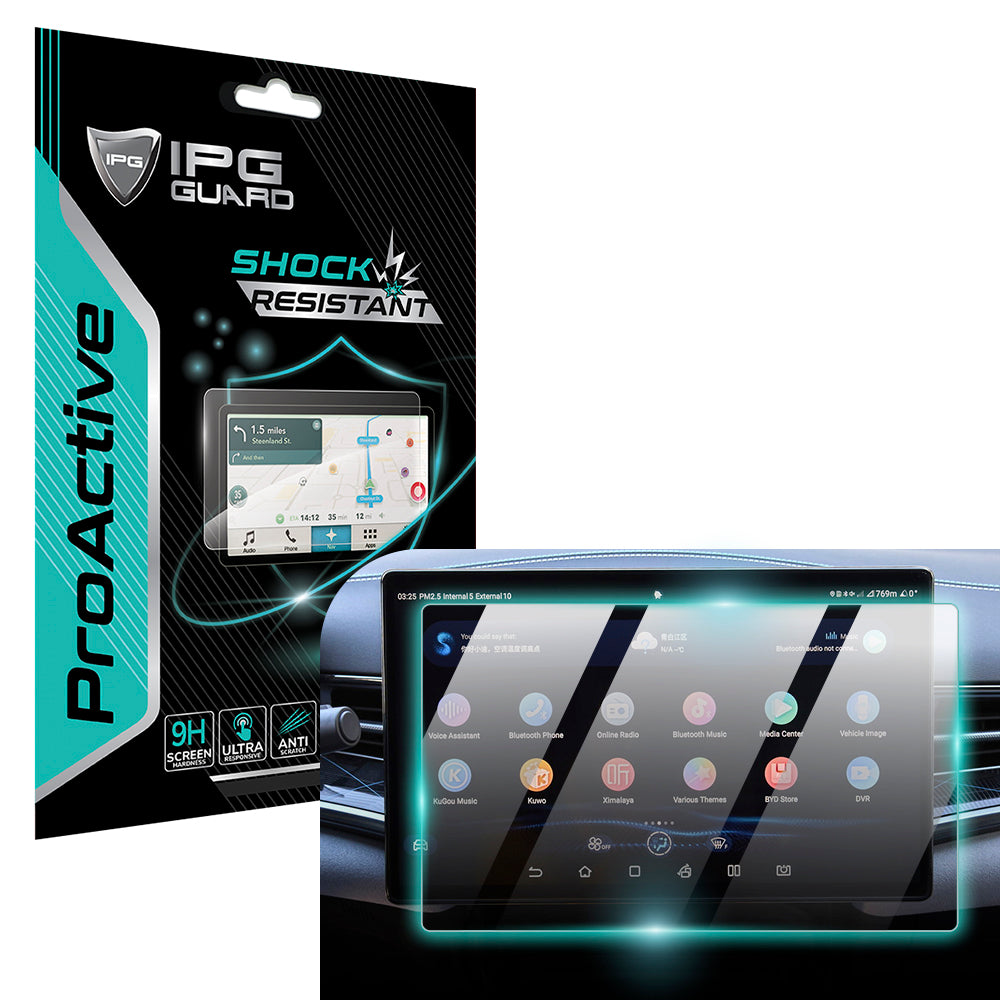
Large-format displays in EVs like the Tesla Model 3 and Model Y present unique challenges. These screens have massive surface areas that are prone to catching every fingerprint and sunbeam. For the BYD Seal, our IPG ProActive for BYD 2022‑2025 SEAL Navigation Display Screen Protector (15.6" inch) is specifically designed to handle the rotating screen mechanism. These high-nit displays produce significant heat. You need a film that won't delaminate or yellow under the intense brightness levels required for daytime visibility. We treat these displays as high-value assets that require meticulous protection.
Custom Solutions for Industrial and Marine Navigation
Protection isn't limited to passenger cars. We provide ruggedized solutions for professional environments. This includes specialized shields like the IPG Snap-on Triton Apollo Solus +screen protector for diagnostic tools and the IPG Lowrance Eagle 4" Elite hds poroFishFinder screen protector for marine use. Work trucks and off-road vehicles face constant dust and vibration. These environments demand the same "guardian of technology" approach we apply to luxury sedans. It's about maintaining the integrity of your tools so they don't fail when you need them most. For a complete look at how we shield every device in your life, check out The Ultimate Screen Protector Guide.
Installation Mastery: Achieving a Bubble-Free Finish
Achieving a factory-fresh finish requires more than just a steady hand. It requires a methodical approach to environmental control. Most installation failures occur because of airborne contaminants. You must transform your vehicle's cabin into a temporary "clean room" before starting. This isn't about professional equipment. It's about smart preparation. Don't let a single speck of dust ruin your high-value display. A car navigation screen protector is a precision instrument. Treat the application with the same meticulousness you would use for any other high-performance upgrade.
The IPG Zerodust method is our professional standard for eliminating the primary cause of failure: trapped particles. Before you peel the backing, ensure the surface is chemically and physically clean. Alignment is the next critical hurdle, especially for the 15-inch+ screens found in modern EVs. We recommend a "hinge" technique using low-tack tape to secure the protector's position before the final adhesive contact. This ensures your cutouts for sensors or buttons remain perfectly centered. If you are ready to secure your cockpit, shop our professional-grade installation kits for a guaranteed result.
The Pre-Installation Checklist
Preparation begins with thermal management. Turn off your vehicle at least 30 minutes before application. An active infotainment system generates heat, which can cause the adhesive to set too quickly or create static that attracts dust. Close all windows and doors to stop airflow. This minimizes the movement of interior fibers and pollen. Use only the provided cleaning solutions or a dedicated screen cleaner. Avoid ammonia-based products. They can strip the factory-applied oleophobic coatings and damage the screen's integrity over time.
Removing Air Bubbles and Dust
Air bubbles are common but manageable. For large-scale hydrogel applications, use a firm, overlapping squeegee motion starting from the center and moving toward the edges. This "zonal" approach prevents air from becoming trapped in the middle of the display. If you spot a trapped speck of dust, don't panic. Gently lift the nearest corner with a piece of tape and use a second "dust-remover" sticker to grab the particle. Be patient with micro-bubbles. Our hydrogel material is gas-permeable. Small imperfections often disappear within 24 to 48 hours as the film settles and breathes. Trust the material science.
Post-installation care is simple but vital. Wait at least 72 hours before using any liquid cleaners on the film surface. This allows the bond to reach maximum strength. When you do clean, use a high-quality microfiber cloth and minimal pressure. Your new shield is now the primary guardian of your technology. It will absorb the daily friction of touch inputs while keeping the underlying glass in showroom condition.
The My IPG Professional Standard: Why Precision Matters
Choosing a car navigation screen protector is an act of stewardship. You aren't just buying a film. You're investing in a long-term partnership to maintain your vehicle's most vital interface. Our "Guardian of Technology" philosophy means we treat your cockpit as if it were our own. While generic marketplace sellers offer "one size fits many" solutions, we know that gaps lead to dust accumulation and edge lifting. We engineer every shield to the exact specifications of your make and model. This precision ensures zero interference with integrated sensors, proximity buttons, or haptic feedback systems.
This commitment to preservation often extends beyond the digital interface to the entire vehicle; for owners who want to safeguard their car's exterior with professional-grade shielding, you can learn more about In The Garage.
Our global reach allows us to support drivers from every corner of the world. Whether you're navigating urban traffic or off-road trails, our films provide a reliable barrier. Generic alternatives often fail after a single summer. They yellow, peel, or leave sticky residue that ruins your factory glass. My IPG products are built for the long haul. We prioritize durability because we understand the financial and emotional value of your vehicle. A precise fit is the difference between a protector that disappears and one that becomes a constant distraction.
Engineered for Performance
Optical clarity is our baseline. Our films provide a high-definition experience that matches the original manufacturer's glass. You won't see a "rainbow effect" or hazy distortion. We also utilize advanced adhesive technology. If you ever decide to sell your car, our protector peels off cleanly without leaving a trace of residue. Every automotive-grade film we produce undergoes a meticulous testing process to ensure it survives the vibration and thermal stress of real-world driving. We focus on material properties so you can focus on the road ahead.
Beyond Navigation: Total Cockpit Protection
Your stewardship doesn't have to stop at the center console. We offer specialized solutions for every high-touch surface in your life. This includes IPG Tesla Model 3 / Model Y door handle decals to prevent scratches on high-use exterior parts. For those on two wheels, our IPG Camera Lens Protector for Harley Cluster Display protector ensures your instrument panel remains readable through sun and rain. We cover everything from IPG Samsung screen protector options to marine fishfinders. Don't leave your technology's safety to chance. Secure your vehicle’s display with My IPG today.
Secure Your Digital Cockpit for the Road Ahead
Your vehicle's infotainment system is more than a display; it's the command center for your entire driving experience. You've seen how specialized materials like hydrogel outperform rigid glass in the harsh automotive environment. By choosing a precision-engineered car navigation screen protector, you eliminate distracting glare and shield your high-value display from micro-abrasions and UV damage. This proactive stewardship ensures your cockpit remains in showroom condition while maintaining 100% touch responsiveness for critical safety controls.
We handle every order with the meticulous care your technology deserves. Our specialized IPG ProActive technology and custom fits for the BYD Seal and Tesla models provide the exact protection modern EVs require. With global shipping available on all automotive protective films, we are ready to serve as your dedicated partner in technology preservation. Protect your vehicle investment with My IPG’s precision-cut shields. Drive with the confidence that your cockpit is guarded by the professional standard in display protection. Your journey deserves a crystal-clear view.
Frequently Asked Questions
Will a screen protector affect the touch sensitivity of my car’s navigation?
Touch sensitivity is unaffected by a high-quality car navigation screen protector. Our hydrogel films are ultra-thin and engineered to maintain 100% capacitive touch responsiveness. You won't experience lag or missed inputs. The material's dielectric properties ensure your GPS and climate controls react instantly to every tap. This technical precision preserves the original manufacturer's user experience while adding a vital layer of security to your cockpit.
Can I remove the screen protector later without damaging the original screen?
You can remove our protectors at any time with zero risk to your factory glass. We use advanced, non-permanent adhesives that bond securely but peel away cleanly. They leave no sticky residue or chemical stains on the display. This makes them ideal for temporary protection or seasonal upgrades. Simply lift a corner and pull gently. Your original infotainment display will look exactly as it did the day it left the showroom.
What is the best material for a car screen protector: glass or hydrogel?
Hydrogel is the superior choice for automotive environments. Unlike tempered glass, IPG Original (Hydrogel) is thermally stable and won't shatter during a collision. It absorbs impacts rather than cracking. The flexible polymer also conforms to the curved dashboard designs found in modern luxury vehicles. Rigid glass often fails at the edges; however, hydrogel provides edge-to-edge stewardship for your high-value displays without the risk of lifting.
How do I stop my car screen protector from bubbling during installation?
Bubbles are prevented through environmental control and the IPG Zerodust method. Start by turning off your vehicle to eliminate screen heat. Use a "hinge" technique with low-tack tape to lock in alignment before removing the backing. Apply firm, overlapping squeegee strokes from the center outward. If micro-bubbles appear, wait 24 to 48 hours. Our gas-permeable material allows small air pockets to disappear naturally as the film settles and breathes.
Are car screen protectors worth it for leased vehicles?
Protecting a leased vehicle is a smart financial move. Appraisers heavily weight the condition of the digital cockpit during end-of-lease inspections. A single deep scratch on the infotainment screen can lead to expensive penalties for excessive wear and tear. Installing a car navigation screen protector is a low-cost insurance policy. It secures your security deposit by ensuring the most visible part of the interior remains in pristine, factory condition.
Does an anti-glare protector make the screen look blurry?
High-performance anti-glare films improve visibility without causing blurriness. Our IPG ProActive technology uses specialized light filtration to diffuse harsh reflections. This maintains high contrast and color accuracy even in direct mid-day sun. You get a sharp, legible display that is easier on the eyes during long drives. It's about enhancing clarity through light management. You don't have to sacrifice optical performance for a matte finish.
Is there a specific protector for the BYD Seal 15.6 inch display?
Yes, we offer a dedicated IPG ProActive for BYD 2022‑2025 SEAL Navigation Display Screen Protector (15.6" inch). This shield is precision-cut to the exact dimensions of the Seal's unique rotating interface. It provides total coverage without interfering with the screen's mechanical movement. We treat this massive display as a high-value asset, ensuring the film remains stable and clear through every rotation and significant temperature shift.
How often should I replace my car’s navigation screen protector?
You don't need to replace your protector on a fixed schedule. High-grade automotive films are designed for long-term durability. Only consider a replacement if the film sustains a significant impact or if you notice edge lifting after years of extreme heat exposure. Our hydrogel material features self-healing properties that absorb daily micro-scratches. This means your shield stays clear and functional for the life of your vehicle under normal conditions.