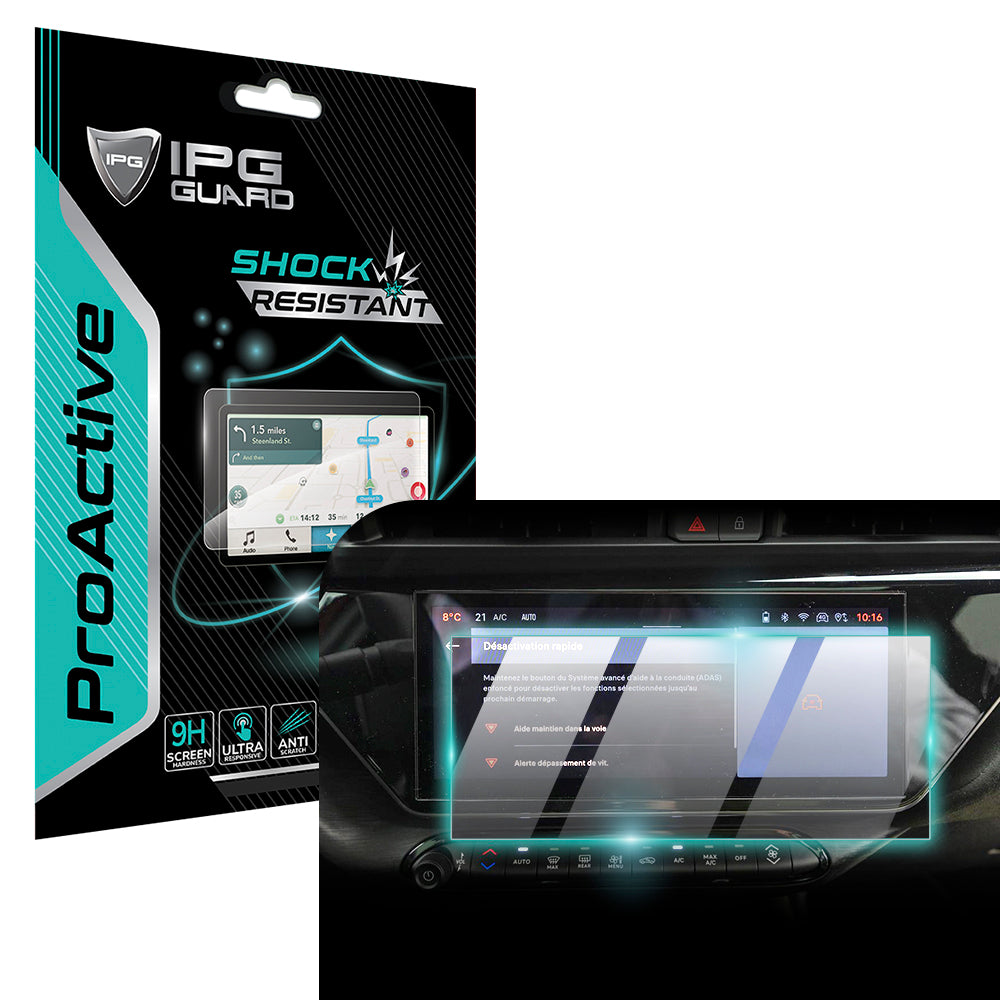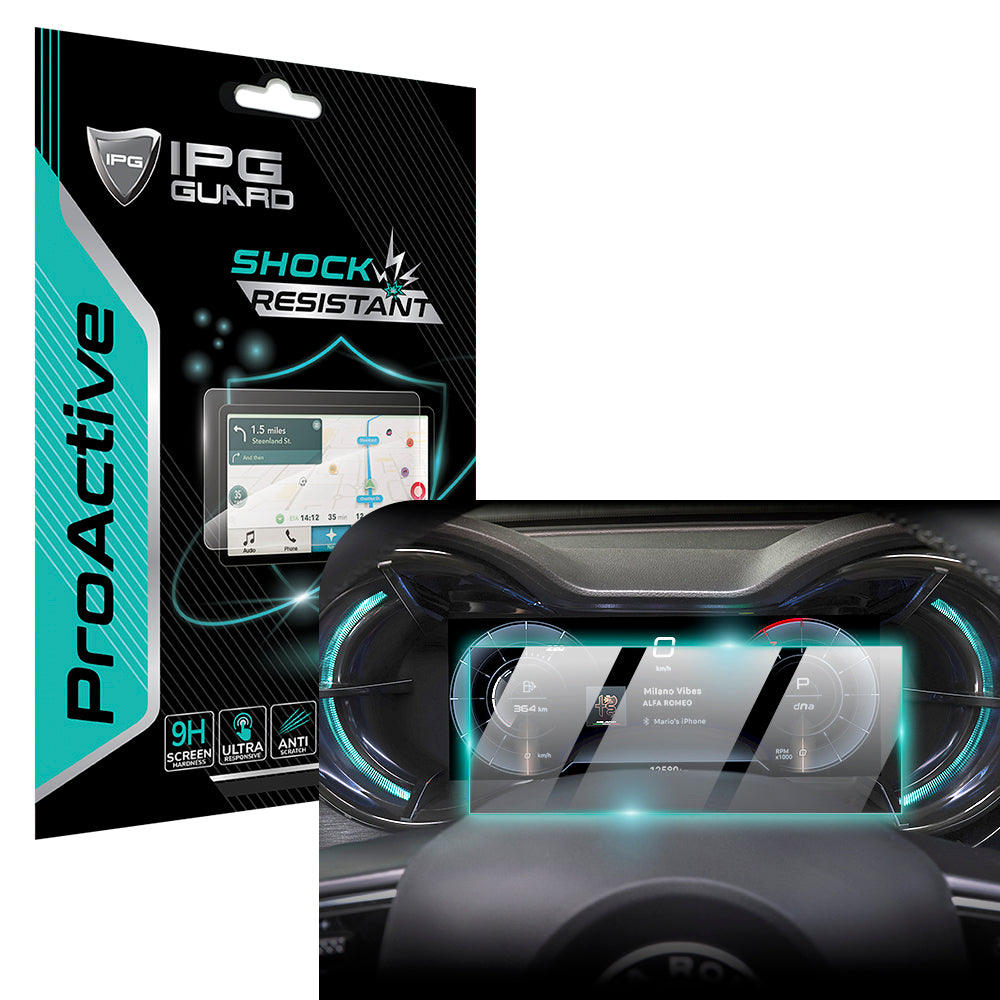
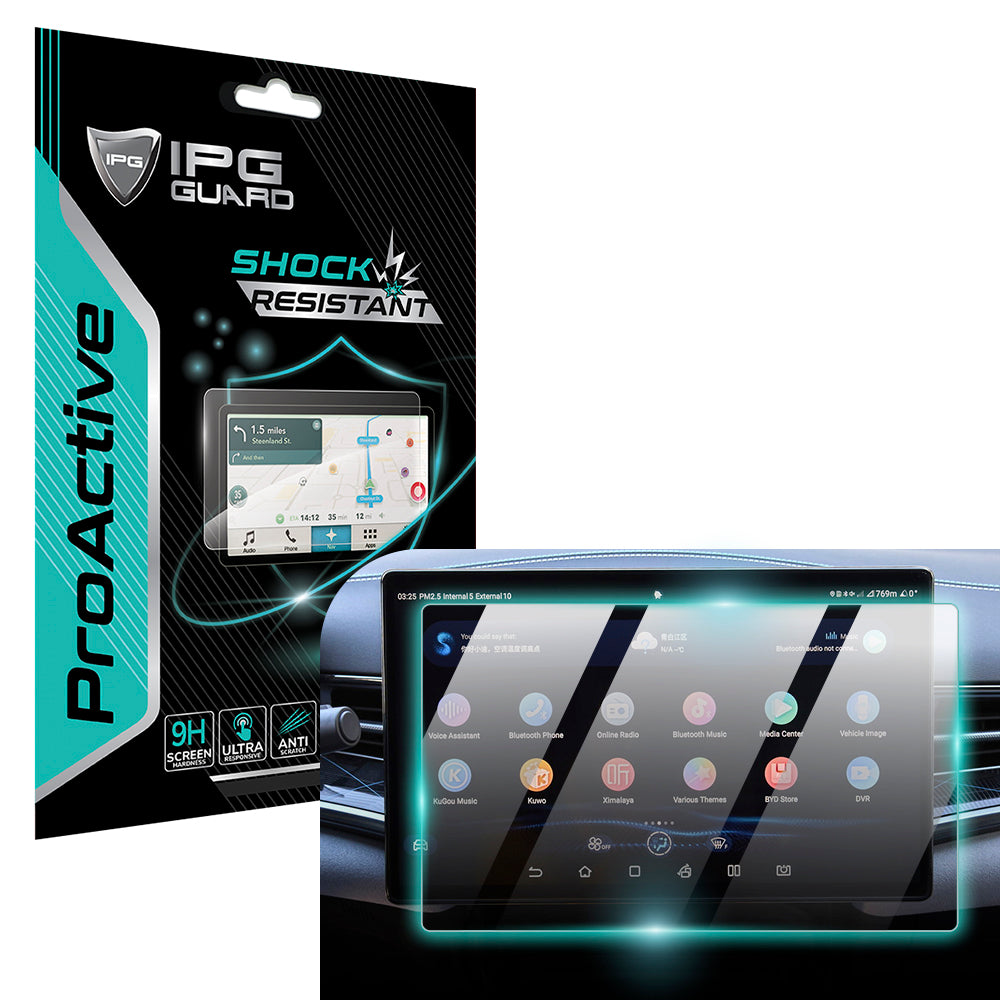


Is your vehicle’s most expensive interior component one accidental scratch away from permanent damage? Your infotainment system is the command center of your car, yet it remains vulnerable to constant oily smudges and blinding sun glare. Adding a car screen protector is not just an aesthetic choice. It’s an act of stewardship over your vehicle's high-value technology. You deserve a cabin that looks as pristine as the day you drove it home. Protecting these integrated displays ensures your interior maintains its premium, retail-ready feel.
We understand the frustration of trying to navigate a map through a haze of fingerprints or a harsh midday reflection. This guide helps you choose the perfect invisible shield to maintain optical clarity and tactile precision. We will examine the technical differences between heavy-duty 9H tempered glass and flexible, self-healing hydrogel materials. You will learn how to achieve a bubble-free, professional finish that protects your high-tech displays for years to come. Discover how to preserve your screen's original responsiveness while shielding it from the elements.
Key Takeaways
- Contrast the impact-shielding power of 9H tempered glass with the flexible, self-healing properties of aerospace-grade hydrogel films.
- Identify how specialized matte finishes and oleophobic coatings neutralize blinding sunlight and persistent oily fingerprints.
- Implement a "Clean Room" interior prep strategy to apply your car screen protector with absolute alignment and zero trapped dust.
- Evaluate material performance under extreme thermal stress to ensure your display shield remains secure during intense cabin temperature fluctuations.
- Secure your vehicle’s long-term resale value by using precision-cut guards engineered specifically for your model’s unique screen dimensions.
The Vulnerability of Modern Car Infotainment Screens
Modern vehicle cabins have transformed into sophisticated digital cockpits. The central infotainment hub now controls everything from climate settings to critical navigation data. This shift has replaced tactile physical buttons with large, sensitive capacitive touchscreens. While these displays offer superior responsiveness, they're significantly more delicate than the resistive units found in older models. A single grain of sand on a fingertip or a misplaced set of keys can leave a permanent micro-scratch across the glass surface. These imperfections aren't just cosmetic; they can interfere with touch sensitivity and clarity.
Think of a car screen protector as a dedicated sacrificial layer. It's engineered to absorb the daily friction and impact that would otherwise ruin your high-value electronics. In luxury and electric vehicles, the cost of an original equipment manufacturer (OEM) screen replacement is often staggering. You aren't just paying for a piece of glass. You're paying for the integrated sensors, specialized processors, and the extensive labor required to dismantle the dashboard. Protecting this component is a matter of financial stewardship.
The cabin environment is uniquely unforgiving. Intense UV exposure through the windshield can degrade factory screen coatings over time. Heat fluctuations also play a major role. A car parked in the sun can reach internal temperatures far higher than the outside air, causing materials to expand and contract. Without a protective barrier, these cycles can lead to surface wear or delamination. Choosing between Hydrogel vs. Tempered Glass allows you to tailor your defense to these specific environmental stressors while maintaining a flawless interface.
Why "Universal" Protectors Often Fail
Generic, trim-to-fit solutions rarely work in a modern interior. Precision is non-negotiable. Your display likely features complex cut-outs for physical volume knobs, light sensors, or air vents. A poorly fitted car screen protector leaves exposed gaps where dust accumulates. This leads to edge peeling and unsightly air pockets that ruin the premium aesthetic. True protection requires an edge-to-edge fit that mimics a factory-installed finish without interfering with essential hardware.
The Impact on Resale Value
A pristine, scratch-free screen signals to a future buyer that you've handled the entire vehicle with meticulous care. It's often the first thing a surveyor or private buyer notices when they sit in the driver's seat. Visible screen damage is a major deal-breaker during inspections and can lead to significant price deductions. Investing in protection is a low-cost insurance policy for your car’s interior integrity. It ensures your high-tech command center remains as flawless as the day it left the showroom.
Hydrogel vs. Tempered Glass: Choosing Your Shield
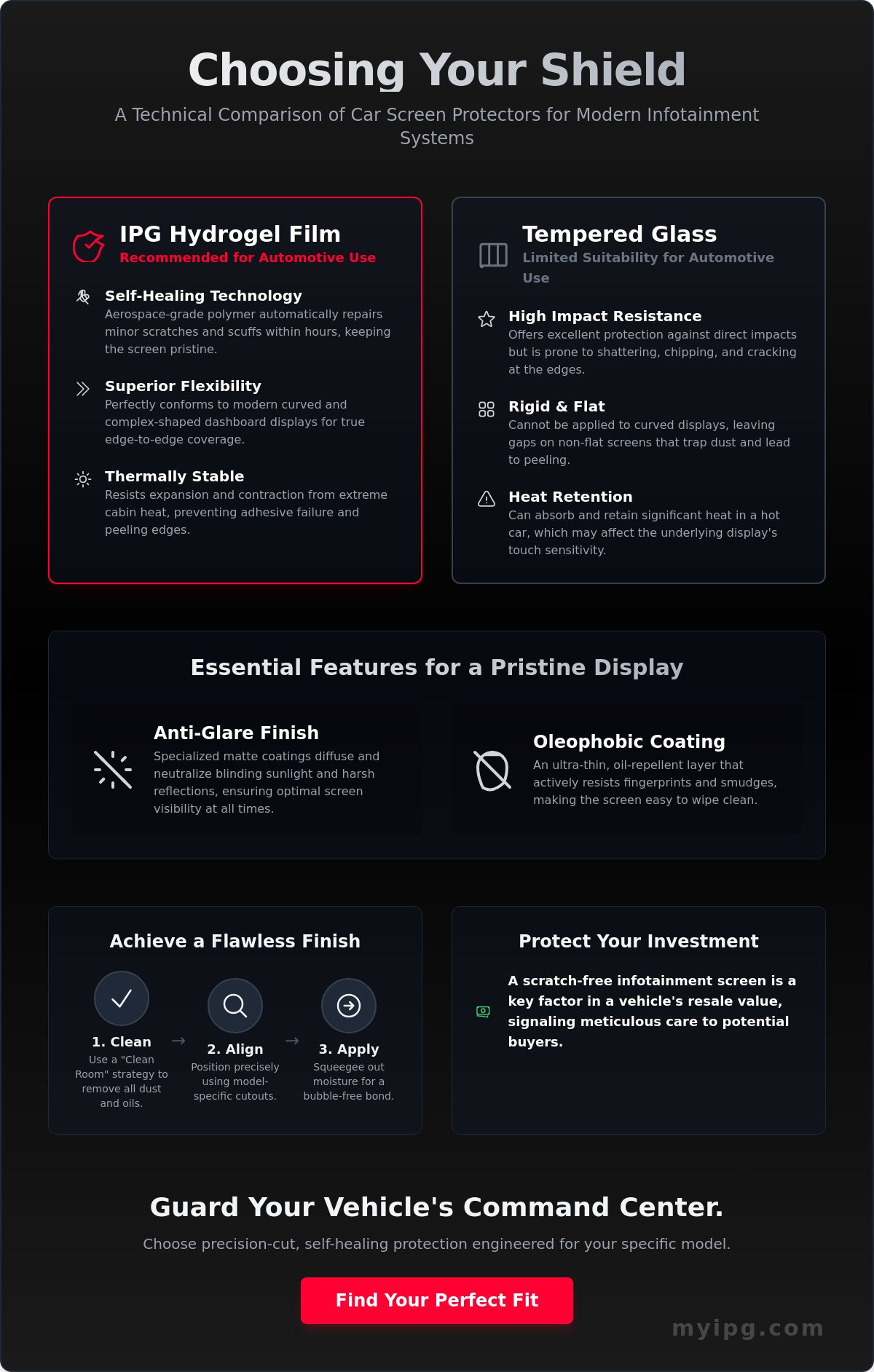
Selecting the right material for your car screen protector is a decision between rigid impact resistance and flexible, self-healing durability. Traditional tempered glass offers a familiar, smartphone-like feel. However, the automotive environment introduces unique challenges that standard glass often fails to meet. High-performance hydrogel, like the IPG Original Hydrogel, utilizes aerospace-grade polymers to provide a resilient, adaptive barrier. Both materials must maintain perfect touch sensitivity and haptic feedback to ensure you stay focused on the road. Clear communication with your vehicle is vital, as research shows the Vulnerability of Modern Car Infotainment Screens to user distraction when interfaces become difficult to read or operate.
Temperature management is a critical differentiator. A vehicle's interior can swing from freezing nights to scorching afternoons. Tempered glass can absorb and retain significant heat, sometimes affecting the responsiveness of the underlying capacitive sensors. In contrast, hydrogel films remain thermally stable. They won't expand or contract aggressively, preventing the adhesive failure common in lower-quality products. For those seeking the most advanced defense, the IPG Original (Hydrogel) Screen Protector offers a sophisticated solution that heals itself from minor abrasions within hours.
The Case for IPG Hydrogel in Automotive Use
Modern dashboard designs are moving away from flat surfaces. Curved displays, such as the expansive 15.6" units in the BYD Seal, require a material that can conform to complex radii. Flexible hydrogel excels here. It provides edge-to-edge coverage that remains virtually invisible once applied. Safety is another primary factor. In the event of a collision, a hydrogel film won't shatter into sharp fragments. It stays intact, acting as a containment layer for the glass underneath. This makes it the preferred choice for safety-conscious drivers who value a factory-original silhouette.
When to Consider Tempered Glass
Tempered glass remains a viable option for flat-panel displays often found in heavy-duty trucks or older SUV models. These protectors carry a 9H hardness rating. This technical specification refers to the pencil hardness scale, meaning the surface resists scratches from items as hard as a masonry drill bit. It provides a stout, "armored" feel. Be cautious, though. Low-quality glass often lacks sophisticated anti-reflective treatments. This can magnify glare from the side windows, turning your navigation screen into a blinding mirror. Always prioritize high-grade optics over thickness alone.
Essential Features: Anti-Glare and Fingerprint Resistance
Blinding sunlight streaming through a side window often makes a navigation screen completely unreadable. This isn't just a nuisance; it's a safety hazard that forces you to take your eyes off the road for too long. A high-quality car screen protector utilizes sophisticated light-diffusion technology to neutralize these reflections. Matte finishes work by scattering incoming light rays across a micro-textured surface, effectively killing the "mirror effect" that plagues factory glass. While glossy finishes preserve every bit of screen vibrancy, they struggle in high-sunlight environments. If you're dealing with specific visibility challenges in your truck, see our guide on solving Chevy Silverado screen glare for a deep dive into model-specific fixes.
Constant interaction with a touchscreen leaves behind natural skin oils and acidic residues. Over time, these smudges accumulate into a hazy film that dulls your display's output and responsiveness. Advanced oleophobic coatings are engineered to repel these lipids at a molecular level. They don't just prevent smudges; they make the entire surface significantly easier to maintain. Instead of aggressive scrubbing that might damage factory coatings, a light wipe is all you need. This is a foundational step in keeping your infotainment screen clean and ensuring your technology remains a high-performing asset for years.
Optical Clarity and Light Filtration
IPG ProActive technology ensures that color accuracy and contrast remain uncompromised. Many generic matte protectors cause a "sparkle" effect or a perceptible graininess that reduces text sharpness. Our engineering prioritizes high light-transmission rates, consistently exceeding 99%. This is critical for night driving, where you need maximum brightness from your maps without any secondary internal reflections. We strike a precise balance between matte diffusion and pixel-perfect screen sharpness. Your display stays vivid while the glare disappears entirely.
Maintaining a Clean Dashboard
A treated car screen protector transforms your maintenance routine from a chore into a quick habit. Bare glass often requires specialized chemicals to remove stubborn grease, which can eventually degrade the factory finish. Our protectors offer "wipe-once" ease. To maintain the integrity of the anti-fingerprint layer, follow these simple steps:
- Select a high-GSM microfiber cloth with a tight, lint-free weave.
- Avoid using paper towels or abrasive sponges that cause permanent micro-scratches.
- Wipe in a single linear motion rather than circles to prevent swirl marks.
A clean dashboard isn't just about aesthetics. It's about maintaining a professional, premium environment every time you step inside your vehicle. Protecting the surface ensures that your high-tech command center always looks and feels brand new.
Professional Installation: Achieving a Bubble-Free Finish
Applying a car screen protector to a vertical, in-dash surface requires significantly more precision than a standard smartphone installation. You aren't working on a flat table; you're navigating the ergonomic curves and tight tolerances of a vehicle cabin. To succeed, you must implement a "Clean Room" strategy. Turn off your vehicle’s climate control system and wait at least ten minutes for airborne dust to settle. This prevents floating particles from being sucked into the static field of the film during application. A stagnant environment is your best ally in achieving a factory-original look.
For massive displays like the 15.6" unit in the BYD Seal, alignment is the primary hurdle. Never peel the entire backing at once. Instead, align the top edge perfectly with the bezel. Secure the top section first. Slowly peel the backing downward in three-inch increments while following the leading edge with your application tool. Use the "Squeegee" method to drive air out effectively. Apply firm, consistent pressure from the center of the screen toward the outer edges. This force moves trapped air through the microscopic channels in the adhesive layer. Once applied, respect the 24-hour curing period. Avoid touching the edges or exposing the cabin to extreme heat during this window to allow the bond to stabilize fully.
The IPG ZeroDust Advantage
Our IPG Zerodust Screen Protector simplifies the most stressful part of the process. The adhesive layer is engineered to be repositionable. If you notice a slight misalignment, you can gently lift the film and reset it without ruining the bond. If a stubborn dust speck appears after the film is partially applied, use a dust-removal sticker to pluck it from the underside of the film. This "save-the-install" capability ensures you don't waste a protector due to a single floating fiber.
Common Installation Mistakes to Avoid
Avoid using harsh chemical cleaners or household glass sprays. These often contain ammonia or alcohols that can strip the screen’s OEM oleophobic coating. Stick to the provided lint-free wipes. Never install a car screen protector in direct sunlight. High glass temperatures cause the film to soften prematurely and the adhesive to set too aggressively, making bubble removal nearly impossible. Finally, handle the film only by the edges using the provided tabs. Skin oils on the adhesive perimeter are the leading cause of future lifting and unsightly peeling at the corners.
Why IPG is the Guardian of Your Automotive Technology
Choosing a car screen protector is more than a simple purchase; it's a commitment to the long-term stewardship of your vehicle's most vital interface. At IPG, we operate as dedicated specialists in the preservation of high-value electronics. We don't simply distribute generic film. We engineer high-performance protection tailored to the exact technical specifications of your hardware. Our authority in this niche stems from a meticulous focus on material properties, light filtration, and aggressive durability. We understand the emotional and financial investment tied to a modern interior, and our mission is to maintain that value through precision innovation.
Our expansive database covers thousands of vehicle models, ensuring a perfect fit for a wide range of global automotive brands. We provide specialized solutions for everything from high-tech electric vehicle dashboards to rugged motorcycle instrumentation. This technical precision ensures that every light sensor, physical knob, and air vent remains fully functional without interference. While we specialize in your automotive needs, our protective expertise extends to all your personal devices. If you're looking to secure your mobile hardware with the same level of professional care, explore our Ultimate Guide to Camera Lens Protectors for comprehensive preservation strategies.
Custom Solutions for Every Vehicle
Off-the-shelf, "one-size-fits-all" products fail because they ignore the complex nuances of modern dashboard design. We offer made-to-order fits for the Tesla Model 3 and Model Y, the expansive 15.6" displays found in the BYD Seal, and even the Harley Cluster Display protector for riders. Our precision-cut car screen protector designs ensure an edge-to-edge finish that maintains the original silhouette of your interior. Even for older navigation units or non-standard displays, our database provides the exact dimensions required for a seamless integration. Every order is handled with individual care, ensuring your film arrives ready for a flawless application that feels like the original factory glass.
The IPG Promise of Durability
Your vehicle deserves a shield that matches its performance and aesthetic. By choosing our engineered solutions, you gain permanent optical clarity and aggressive surface protection. You won't have to worry about the micro-scratches, environmental heat degradation, or persistent oily smudges discussed in this guide. Our protectors maintain the premium, retail-ready look of your cabin while offering the peace of mind that comes from using aerospace-grade materials. We are your partner in maintaining the integrity of your personal technology. Protect your investment with a guardian that understands the true value of your device.
Secure your dashboard today with professional-grade engineering. Browse our full Automotive Collection to find the perfect match for your vehicle.
Secure Your Vehicle's Future Today
Your vehicle's interior is a high-value environment that deserves meticulous stewardship. By choosing the right material, whether it's the impact resistance of tempered glass or the self-healing flexibility of hydrogel, you ensure your technology remains pristine. We've explored how a precision-cut car screen protector neutralizes blinding sun glare and repels persistent oily smudges. You now have the technical knowledge to implement a "Clean Room" installation for a flawless, bubble-free finish that preserves your display's original responsiveness.
IPG stands as the dedicated guardian of your automotive tech. We offer advanced ZeroDust technology and precision-engineered fits for thousands of vehicle models. With global shipping and expert technical support, we ensure your cabin maintains its premium feel regardless of where you drive. Don't leave your integrated displays vulnerable to environmental stress or accidental damage. Take the final step in protecting what you value most.
Secure Your Display with IPG Precision Protection
Your journey deserves the clarity and security that only professional-grade engineering can provide. Drive with confidence knowing your interface is shielded for the road ahead.
Frequently Asked Questions
Do car screen protectors actually reduce glare in direct sunlight?
Yes, specialized matte protectors significantly reduce blinding reflections by diffusing incoming light across a micro-textured surface. This technology scatters rays instead of reflecting them directly into your eyes. It's a critical safety feature for high-sunlight driving environments. While glossy options preserve more vibrancy, they don't offer the same anti-glare performance. Choose a matte finish if you frequently struggle with visibility during midday commutes.
Will a screen protector interfere with the touch sensitivity of my Tesla or BYD screen?
High-quality protectors don't interfere with the touch sensitivity or haptic feedback of advanced Tesla or BYD displays. These films are engineered specifically for modern capacitive touchscreens that require precise electrical conductivity. Your car screen protector maintains the original responsiveness of the system. You won't notice any lag or dead zones during navigation or climate control adjustments. It feels exactly like the factory glass.
Is it better to use tempered glass or hydrogel for a car navigation system?
Hydrogel is generally superior for modern automotive use due to its flexible, shatter-proof properties and self-healing capabilities. It's the ideal choice for curved displays like the BYD Seal where rigid glass might fail. Tempered glass provides a stout, armored feel but can crack under extreme thermal stress. Choose the material that best matches your screen’s geometry and your specific durability requirements for the best results.
How do I remove a car screen protector without damaging the original screen?
You can safely remove the film by gently lifting a single corner with a plastic card or your fingernail. Slowly peel the protector back at a low angle to avoid putting stress on the factory glass. High-quality adhesives don't leave behind sticky residues or damage the original OEM coatings. If any light residue remains, a quick wipe with a damp microfiber cloth will restore the surface to its original state.
Can a screen protector hide existing scratches on my infotainment display?
Yes, a new car screen protector can effectively mask existing micro-scratches on your display. The specialized silicone adhesive layer fills in the tiny crevices of light scratches to restore optical clarity. While it won't repair deep gouges, it prevents further damage and makes the screen look significantly newer. It's a cost-effective way to refresh a worn interior without replacing the entire expensive infotainment unit.
What is the best way to clean my car screen protector without streaking?
A dry, high-GSM microfiber cloth is the most effective tool for cleaning treated surfaces without leaving streaks. You don't need harsh chemicals that might degrade the oleophobic coating. If you encounter stubborn grime, use a light mist of distilled water only. Avoid paper towels or abrasive sponges as they cause permanent swirl marks. Consistent, gentle maintenance keeps the protective layer performing at its peak for years.
Will the heat inside a parked car cause the screen protector to peel off?
Professionally engineered automotive protectors use thermally stable adhesives that won't peel or bubble in high heat. Unlike cheap universal films, these materials are tested to withstand the extreme temperature fluctuations found inside a parked vehicle. The bond remains secure even during scorching summer months. Proper installation in a cool, shaded environment is essential to ensure the adhesive sets correctly and stays in place for the long term.
Does IPG offer screen protectors for digital instrument clusters and motorcycle displays?
We provide specialized protection for a wide variety of digital interfaces beyond standard infotainment screens. Our catalog includes precision-cut guards for Harley-Davidson cluster displays, Garmin Descent units, and various digital instrument clusters. We even offer solutions for fish finders and specialized diagnostic tools. Every protector is engineered with the same meticulous attention to detail to ensure your high-value technology remains shielded from the elements.