
Your 9H tempered glass protector is likely lying to you. While that rating sounds impressive, it only measures scratch resistance against a pencil, not the catastrophic force of a concrete sidewalk. If you're tired of protectors that crack within days or marketing jargon like "military grade" that fails in the real world, you aren't alone. Finding the best screen protector for drop protection 2026 requires looking beyond surface hardness to the science of impact absorption and energy dispersion. Precision matters. Effective protection isn't about how hard a shield is, but how well it survives the unexpected.
We understand that your device is more than just a gadget; it's a high-value investment that deserves a dedicated guardian. You need a shield that covers every edge and absorbs shock instead of simply shattering to signal a job poorly done. This guide explores the latest advancements in material science. Discover how graphene-reinforced glass and self-healing hydrogel polymer matrices safeguard your technology. We'll help you find the definitive shield to preserve what you value most, ensuring your display remains a functional asset rather than a costly repair bill.
Key Takeaways
- Learn why the common 9H hardness rating doesn't prevent shattering and how to distinguish between surface scratch resistance and true impact energy dispersion.
- Compare the structural properties of tempered glass and hydrogel to determine which material provides the superior shock-absorbing barrier for your specific device.
- Identify the critical design features, such as edge-to-edge coverage and adhesive integrity, that define the best screen protector for drop protection 2026.
- Tailor your defense strategy by matching specialized shields to your environment, whether you are protecting a flagship smartphone or industrial Autel diagnostic tools.
- Discover the "ProActive" philosophy of precision-engineered protection designed for over 10,000 unique displays, from Tesla consoles to professional camera clusters.
Drop Protection vs. Scratch Resistance: Debunking the 9H Myth
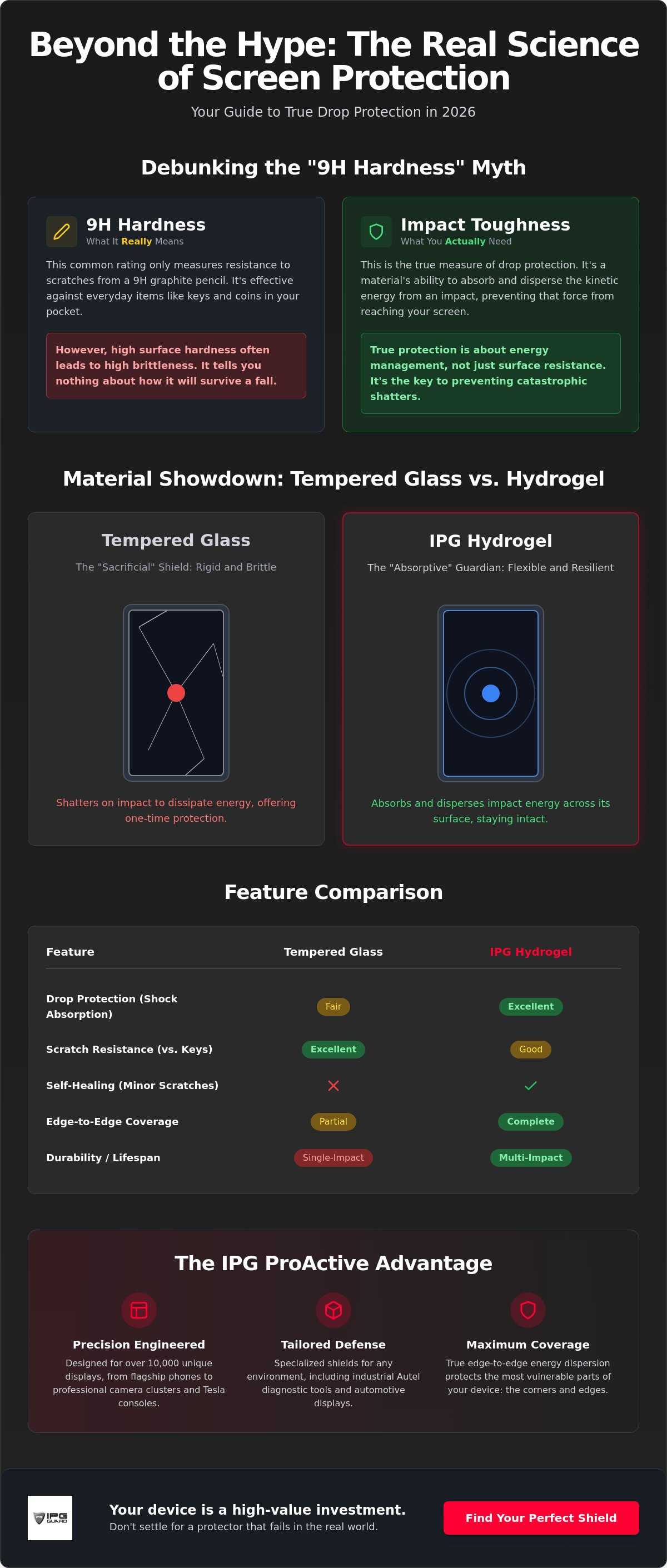
Choosing the best screen protector for drop protection 2026 requires unlearning everything you think you know about "hardness." Most consumers see a "9H" label and assume their device is invincible. This is a common misconception. The 9H rating refers specifically to the pencil hardness scale. It means a 9H lead pencil won't leave a mark on the surface. It does not mean the protector can survive a four-foot drop onto a granite floor. In fact, materials with high surface hardness are often incredibly brittle. This is the brittleness paradox; the more rigid a material is, the less it can flex under tension. When a rigid tempered glass shield hits its limit, it shatters instantly. It fails because it cannot manage kinetic energy.
True drop protection is about energy management, not just surface resistance. It's the ability of a material to decelerate impact energy before that force reaches your expensive OEM glass. Understanding the composition of various screen protector materials is the first step in moving beyond marketing fluff. In 2026, the technology has shifted. We're moving away from "sacrificial" layers that crack at the slightest provocation toward "absorptive" shields that maintain their integrity while safeguarding yours.
The Physics of a Screen Crack
A crack is the result of point-impact energy traveling through a rigid medium. When your phone hits the ground, the impact creates a shockwave. Modern OLED displays are particularly sensitive to these vibrations. If the energy isn't dissipated, it finds the weakest point in the molecular structure. Corner drops are the primary cause of device fatality. The frame of your phone acts as a funnel, concentrating the entire force of the fall into the edge of the glass. Without a protector that offers edge-to-edge energy dispersion, even a minor tumble can result in a catastrophic spiderweb fracture.
Surface Hardness vs. Impact Toughness
Impact toughness is the total amount of energy a material can absorb and plastically deform before reaching its failure point. While the Mohs scale measures how well a material resists being scratched by minerals like quartz or sand, it tells us nothing about impact resistance. Standard tempered glass usually rates a 6 or 7 on the Mohs scale, making it great for preventing scratches from keys. However, it lacks the toughness needed for high-velocity impacts. Your "unbreakable" glass protector is often designed to break. Manufacturers call this a "sacrificial" design, but it's often an excuse for poor energy absorption. When searching for the best screen protector for drop protection 2026, prioritize materials that focus on energy absorption rather than simple surface rigidity. You need a guardian that stays intact so your screen does too.
Comparing Materials: Hydrogel vs. Tempered Glass in 2026
Selecting the best screen protector for drop protection 2026 depends on understanding how different materials handle stress. Tempered glass is the traditional choice for users prioritizing optical clarity and a native glass feel. It offers excellent resistance against surface scratches from keys or sand. However, its rigid nature is a liability during high-impact drops. Because glass cannot deform, it reaches a breaking point quickly. It shatters to dissipate energy. While this protects the screen once, it leaves your device unprotected for the next fall. It's a one-time insurance policy that requires immediate replacement.
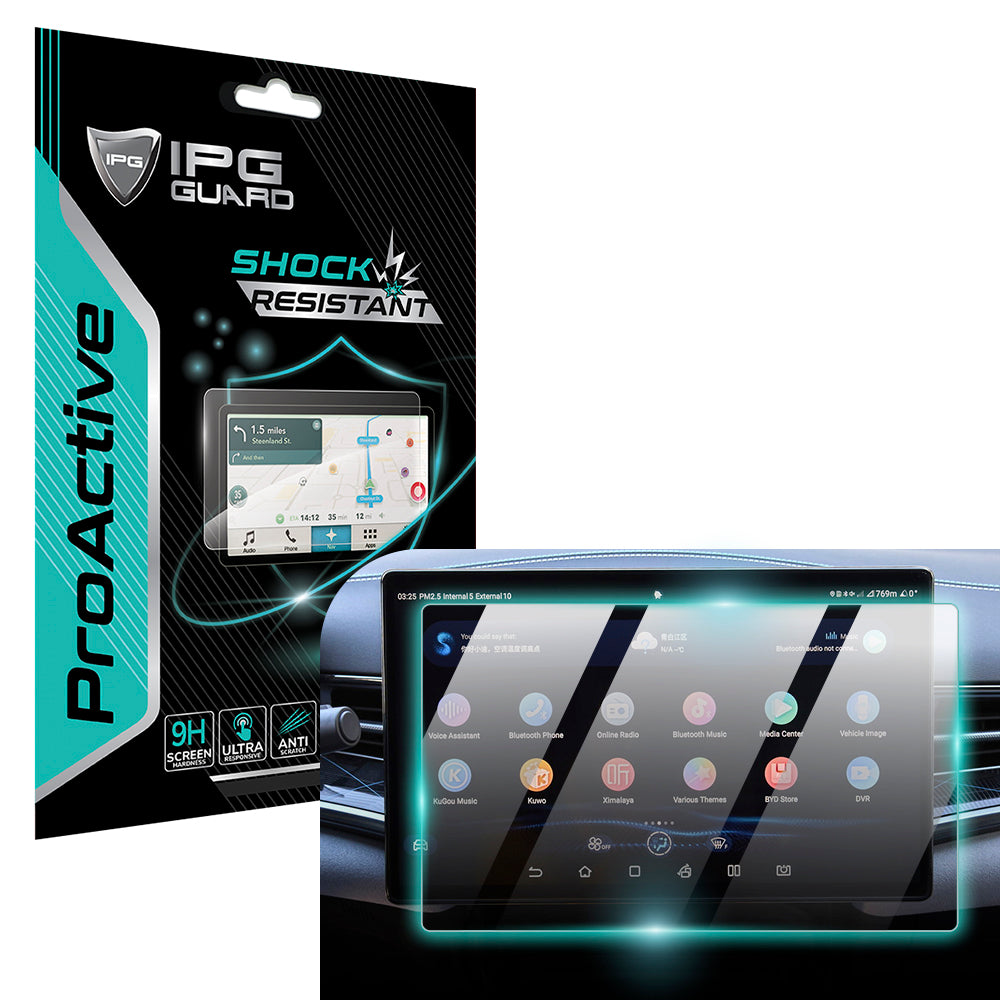
Hydrogel materials, specifically the IPG Original (Hydrogel) Screen Protector, offer a different defensive strategy. These advanced polymers are designed to stretch and rebound. They function as a shock absorber for your display. Instead of shattering, the hydrogel matrix spreads the kinetic energy of a drop across a wider surface area. This reduces the localized pressure on the underlying glass. Thermal stability is another critical advantage. In 2026, devices are used in diverse climates. Glass can become brittle in freezing temperatures or lose its adhesive bond in the heat of a car dashboard. Hydrogel remains flexible and secure. It's the ideal choice for automotive displays like the IPG ProActive for BYD or industrial diagnostic tools. Hybrid materials also bridge this gap by combining the smooth texture of glass with the impact resistance of flexible films.
The IPG Original (Hydrogel) Advantage
The primary benefit of hydrogel is its self-healing molecular structure. Minor indentations from drops or scratches recover automatically as the polymer chains return to their original state. This durability ensures your protector lasts longer than traditional alternatives. Hydrogel also provides superior edge-to-edge adhesion. It wraps around curved screens without the lifting or "halo" effects seen with rigid glass. To understand the full spectrum of available defenses, read The Ultimate Screen Protector Guide for detailed compatibility data. Precision fitment is the foundation of reliable protection.
Tempered Glass: When Rigid is Right
Rigid shields are still effective for specific use cases. Flat-screen devices in environments with heavy abrasive contact benefit from the surface hardness of tempered glass. Modern versions feature sophisticated oleophobic coatings to resist fingerprints and maintain a clean aesthetic. Specialized optics also require the rigidity of glass. An IPG Phone camera lens protector uses specialized tempered glass to maintain perfect light transmission. This prevents distortion in your photos while guarding the protruding lens from impact. When searching for the best screen protector for drop protection 2026, remember that tempered glass remains a professional standard for flat displays. You can explore specialized glass options that match your daily reality.
The Evaluation Framework: What Makes a Protector 'Drop-Proof'?
Identifying the best screen protector for drop protection 2026 requires a rigorous technical evaluation. It isn't enough to choose a material and hope for the best. You must look at how the shield integrates with your specific hardware. Engineering matters. A protector that leaves even a one-millimeter gap at the edge creates a failure point. Most screen fatalities begin at these exposed corners where the glass is most vulnerable to "pinch" force. True security comes from edge-to-edge coverage that eliminates the transition gap between the protector and the device frame.
Adhesive integrity is the silent partner in drop defense. A protector is only as effective as its bond to the OEM glass. If the adhesive is weak, impact energy creates micro-vibrations that can shatter the screen underneath while leaving the protector intact. You need a clean, molecular-level bond. Additionally, case compatibility is a critical metric for 2026 devices. High-performance protective cases often feature raised lips for face-down protection. If your screen shield is too wide, the case will "lift" the edges, breaking the seal and inviting debris. A precision-engineered fit ensures your case and protector work in tandem rather than in conflict.
Precision Fit and Edge Integrity
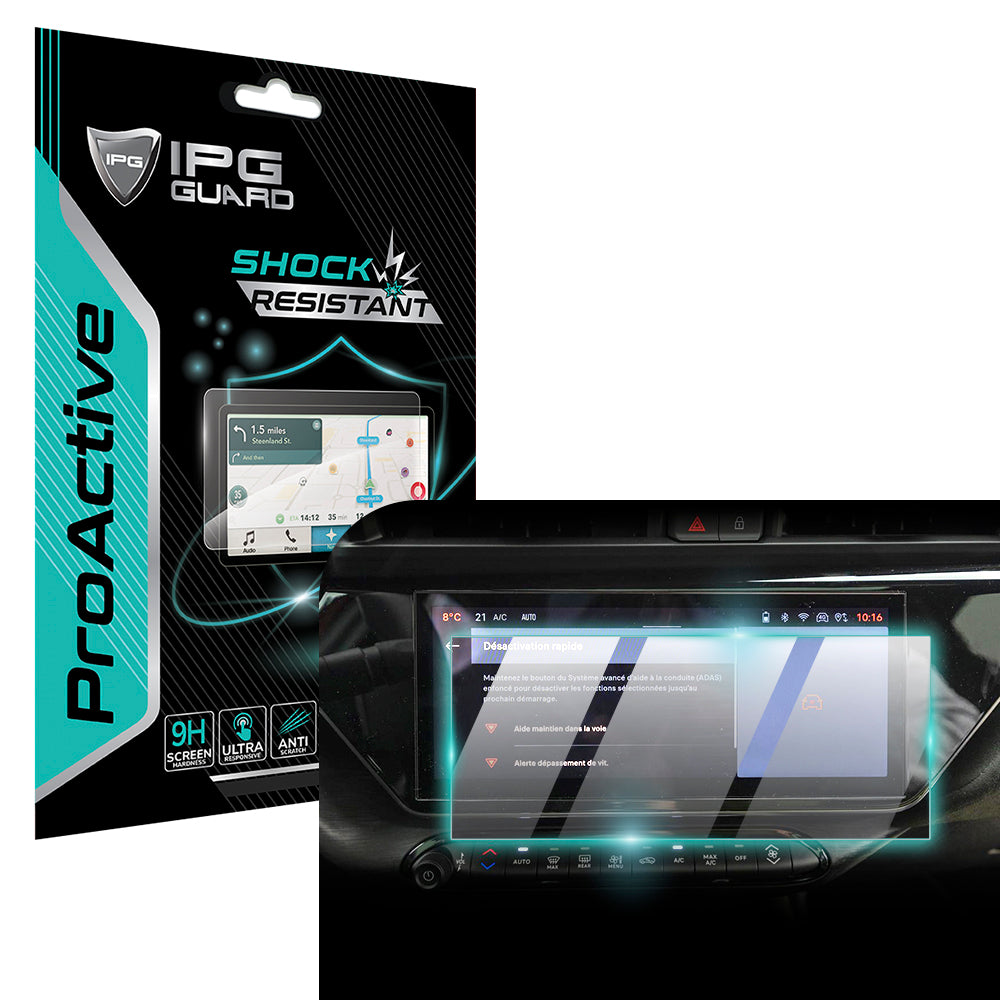
The dreaded "halo" effect is a sign of poor fitment. This white border appears when a rigid protector fails to follow the subtle curvature of a modern display. It isn't just an aesthetic issue; it's a structural weakness. Precision-cut films are the solution for complex surfaces. For example, the specialized navigation display in a BYD Seal requires exact dimensions to ensure total coverage without interfering with touch-panel responsiveness. If you are safeguarding a vehicle, our Car Screen Protector Buying Guide 2026 provides a deeper look at maintaining edge integrity on large-format glass.
Energy Absorption Layers
Premium protection relies on multi-layer construction. Unlike basic single-layer glass, high-end shields feature a dedicated shock-dampening core. This layer acts as a mechanical buffer. It decelerates the kinetic force before it reaches the display. When searching for the best screen protector for drop protection 2026, verify that the product maintains native touch sensitivity. Modern haptic engines and ultrasonic fingerprint sensors require a protector that doesn't dampen the user experience. You should never have to choose between display brilliance and the safety of your high-value investment. Security should be invisible yet absolute.
Matching Protection to Your Environment
Protection requirements vary by habitat. A smartphone in a suburban office faces low-velocity tumbles on carpet or hardwood. In contrast, an Autel MaxiSYS tablet in a busy garage or a Lowrance FishFinder on a choppy lake endures constant vibration and high-energy impacts against metal or fiberglass. The best screen protector for drop protection 2026 is the one engineered for your specific field of play. It's about matching the material properties to the most likely impact scenario. You must consider the surface tension, the angle of potential falls, and the environmental stressors like heat or moisture that could compromise the adhesive bond over time.
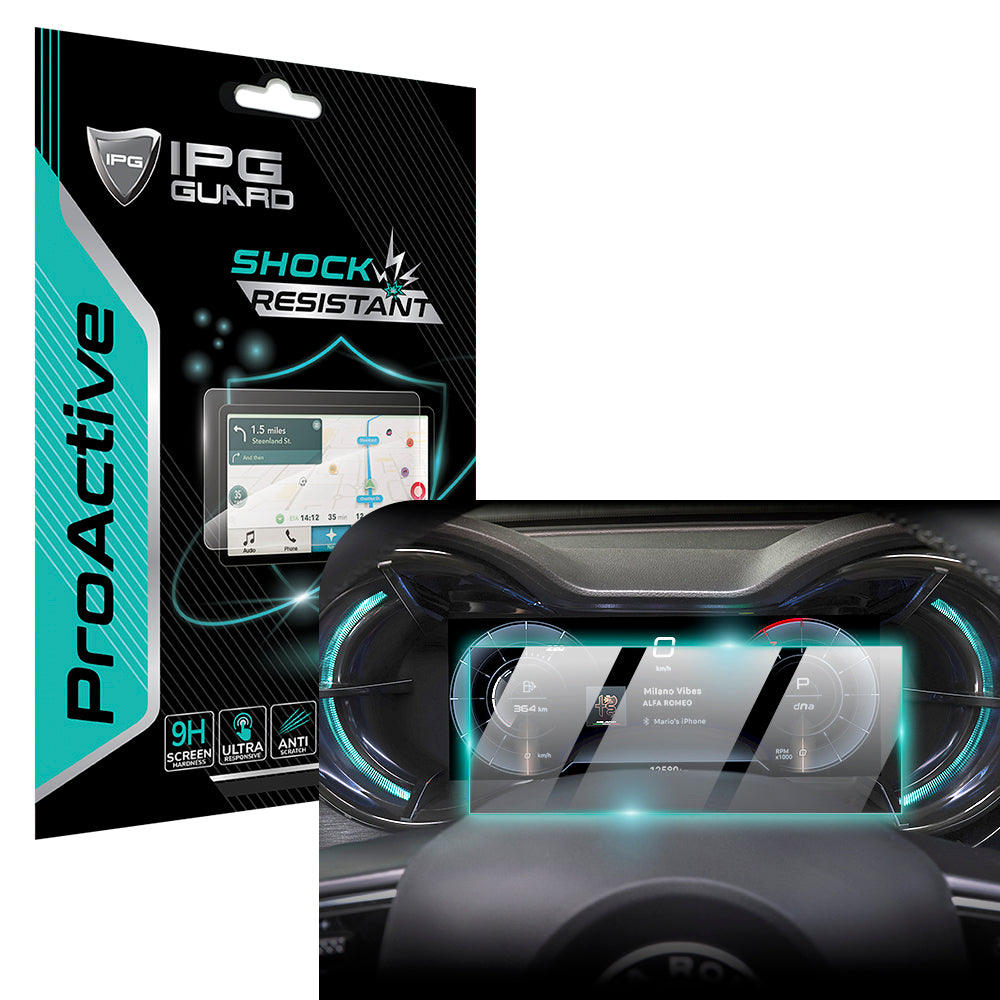
Professional creators face unique risks. A tripod tip-over can instantly shatter a protruding lens, rendering a high-end smartphone camera useless. Using an IPG Phone camera lens protector provides a dedicated barrier for these optical components. It ensures that a sudden tilt doesn't result in a cracked lens. For those on the open road, vibration is the enemy. A Harley Cluster Display protector must resist the constant resonance of the engine while maintaining visibility. Rigid glass can sometimes vibrate loose or develop micro-fractures under these conditions, making flexible, high-adhesion films the superior choice for automotive and marine applications.
Mobile and Wearable Security
Daily drivers like the iPhone 17 or Samsung S26 require a balance of sleekness and security. You don't want a bulky shield that ruins the ergonomics of a flagship device. For comprehensive advice on mobile defense, consult our IPhone Screen Protector Buying Guide. Wearables also face extreme risks. An IPG Garmin DESCENT Screen Protector or a universal round watch shield must resist side-impacts against doorframes or heavy equipment. If you handle sensitive data, an IPG Privacy Screen Protector adds a layer of digital security that remains functional even after a hard fall. It preserves your privacy while the underlying polymer absorbs the shock of the impact.
Industrial and Marine Durability
Industrial environments demand extreme durability. Diagnostic tools such as the Snap-on Triton, Apollo, or Solus+ are prone to workshop drops on hard concrete. These screens require specialized impact films that won't crack under heavy pressure or accidental tool drops. Similarly, marine electronics like the Lowrance Eagle 4" or Elite HDS Pro series face saltwater spray and deck impacts. IPG Zerodust ensures a pristine, contaminant-free bond even in high-particulate workshop environments. For automotive technicians, protecting the screen on an Autel MaxiIM KM100 or MaxiSYS MS919 is a matter of maintaining the integrity of their most vital tools. Secure your specialized equipment today with a custom-fit IPG shield designed for high-stakes environments.
Why IPG is the Guardian of Your Technology in 2026
Choosing the best screen protector for drop protection 2026 means selecting a partner that understands the financial and emotional value of your hardware. At IPG, we don't just manufacture films; we practice a "ProActive" philosophy of defense. This approach ensures that every shield is engineered for the specific kinetic demands of next-gen displays. Whether you are safeguarding a curved smartphone or a high-definition automotive console, our goal is absolute preservation. We act as a dedicated specialist, providing a layer of security that remains invisible until the moment it's needed most. You deserve a guardian that treats your technology with the same meticulous care you do.
Our commitment to precision is unmatched. We provide custom-fit solutions for over 10,000 device types, ranging from the latest Tesla infotainment systems to professional Nikon camera displays. The IPG Original Hydrogel is the cornerstone of this protection. It's a proprietary polymer blend specifically engineered for maximum energy absorption. Unlike generic materials, this hydrogel matrix dissipates shockwaves before they can compromise the structural integrity of your device. It offers a seamless integration that feels exactly like the original screen. You maintain the native tactile response and optical brilliance of your display while benefiting from a professional-grade impact barrier.
Beyond the Smartphone
The need for high-performance protection extends far beyond your pocket. We apply our material expertise to every facet of your digital life. Protruding optics on modern devices are particularly vulnerable to impact. Our range of IPG Phone camera lens protectors ensures that your ability to capture memories isn't sidelined by a single tripod tip-over or accidental drop. To understand how we maintain optical clarity while providing rugged defense, explore The Ultimate Guide to IPG Phone Camera Lens Protectors. We also offer aesthetic and protective enhancements for your vehicles, including Tesla Model 3 and Model Y door handle decals or Honda center cap overlay wheel tire decals. These specialized vinyl layers protect high-touch areas from scratches and environmental wear.
The IPG Installation Experience
A protector is only as good as its application. We've eliminated the frustration of bubbles and misalignments through our Zerodust technology. This system ensures a professional, debris-free finish even in less-than-ideal environments. It's the standard for technicians and enthusiasts alike. We back our products with global direct-to-consumer support, ensuring you have access to expert guidance wherever you are. When you choose the best screen protector for drop protection 2026, you're choosing a legacy of military-grade innovation and retail-oriented reliability. Don't leave your high-value displays to chance. Secure your device with the world's most advanced screen protection at My IPG and experience the peace of mind that comes with total display security.
Invest in Absolute Display Integrity
Finding the best screen protector for drop protection 2026 is about more than just surface hardness; it is about advanced energy management. True security comes from materials that absorb shock rather than shattering under tension. Precision fit and edge-to-edge coverage are the final barriers between your device and a costly repair. Whether you're navigating a job site or capturing memories on a flagship smartphone, your display deserves a dedicated guardian.
IPG provides the technical authority and personal stewardship required to keep your high-value items pristine. Our specialized hydrogel technology is engineered for maximum impact absorption. We offer custom-fit precision for over 10,000 unique devices and provide expert technical support. Global shipping ensures that world-class protection is accessible wherever you go. Take the first step in preserving what you value most. Protect your investment with IPG's advanced screen shields and enjoy the confidence of absolute display security. Your technology is in safe hands.
Frequently Asked Questions
Is tempered glass or hydrogel better for drop protection in 2026?
Hydrogel offers superior energy dispersion for most modern devices. While tempered glass provides excellent surface scratch resistance, its rigid structure shatters upon reaching its limit. Hydrogel's advanced polymer matrix stretches to absorb and dissipate kinetic force. This mechanical buffering makes it a top contender for the best screen protector for drop protection 2026, especially on curved or flexible displays where edge-to-edge adhesion is vital for integrity.
Does a screen protector actually prevent the internal LCD/OLED from breaking?
Yes, a high-quality protector functions as a shock-dampening layer that decelerates impact energy. When your device hits a hard surface, the protector spreads the shockwave across its entire surface area. This reduction in localized pressure prevents the force from reaching the fragile molecular structure of the underlying OLED panel. It acts as a critical barrier that preserves the functional life of your high-value display.
Will a 'drop-proof' screen protector work with my existing phone case?
Compatibility depends on the precision of the shield's dimensions. Most premium protectors feature a "case-friendly" cut that leaves a fractional gap at the very edge. This design prevents the raised lip of a protective case from "lifting" the protector and breaking the adhesive bond. A precision-engineered fit ensures that your case and your screen shield work in tandem to provide comprehensive 360-degree security.
How often should I replace my screen protector if it isn't cracked?
You should consider a replacement if the oleophobic coating has worn away or if the adhesive shows signs of lifting. A degraded bond reduces the efficiency of impact absorption. For hydrogel users, the material's self-healing properties extend its lifespan significantly. However, if deep indentations exceed the polymer's recovery capacity or if debris enters the edges, a fresh installation is necessary to maintain absolute display stewardship.
Can a screen protector protect my phone camera lens from a drop?
Standard screen shields don't cover the camera, but a dedicated IPG Phone camera lens protector provides essential defense for protruding optics. These specialized barriers use optical-grade tempered glass to guard against tripod tip-overs and flat-surface impacts. They ensure that your lens assembly remains pristine without compromising light transmission or photo quality. Protecting these fragile components is just as important as securing your main display.
What is the difference between 9H hardness and military-grade drop protection?
9H hardness refers specifically to the pencil scale for surface scratch resistance. It doesn't measure impact toughness. In contrast, military-grade protection usually references standards like MIL-STD-810G, which involves rigorous drop and shock testing. Finding the best screen protector for drop protection 2026 requires looking past surface hardness to find materials that can survive the high-velocity tension of a real-world fall.
Do privacy screen protectors offer the same level of drop protection as clear ones?
Privacy protectors utilize the same impact-resistant base materials as clear versions. The privacy filter is an integrated internal layer that limits viewing angles without compromising the shield's structural integrity. An IPG Privacy Screen Protector delivers the same shock-dampening performance as our standard hydrogel shields. You don't have to choose between digital confidentiality and the physical safety of your high-value investment.
Is it worth getting a screen protector for my car's navigation screen?
Automotive displays are among the most expensive components to replace in a modern vehicle. A specialized shield like the IPG ProActive for BYD protects against accidental strikes from keys, rings, or heavy objects in the cabin. These protectors also offer thermal stability to withstand extreme dashboard temperatures. Safeguarding your infotainment system ensures long-term functionality and preserves the resale value of your vehicle's high-tech interior.