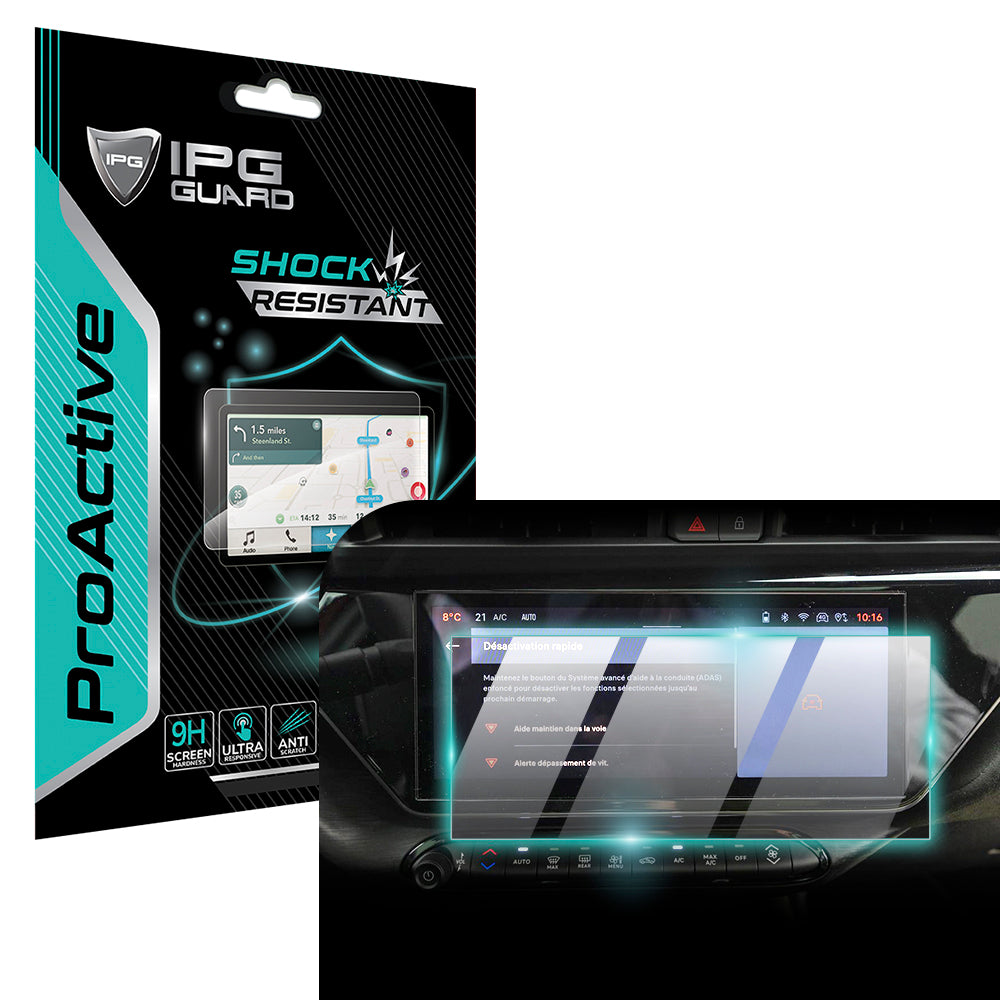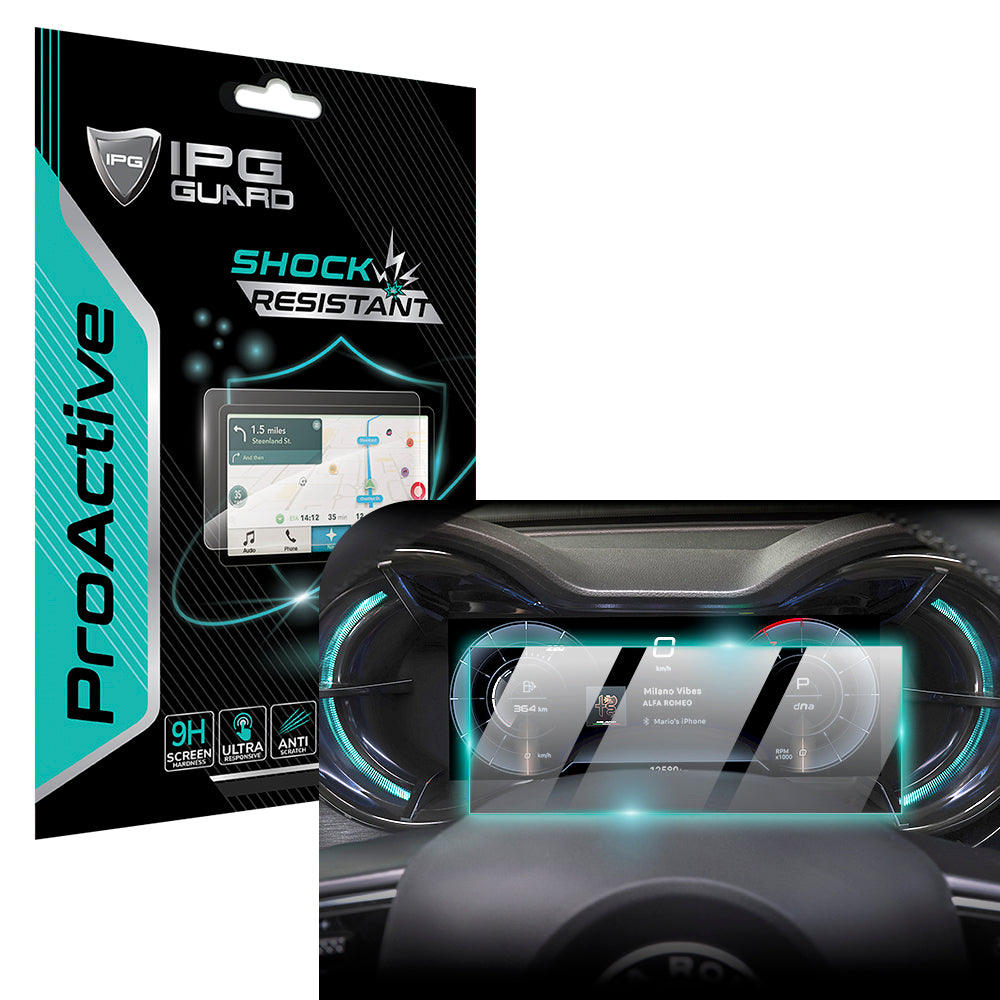
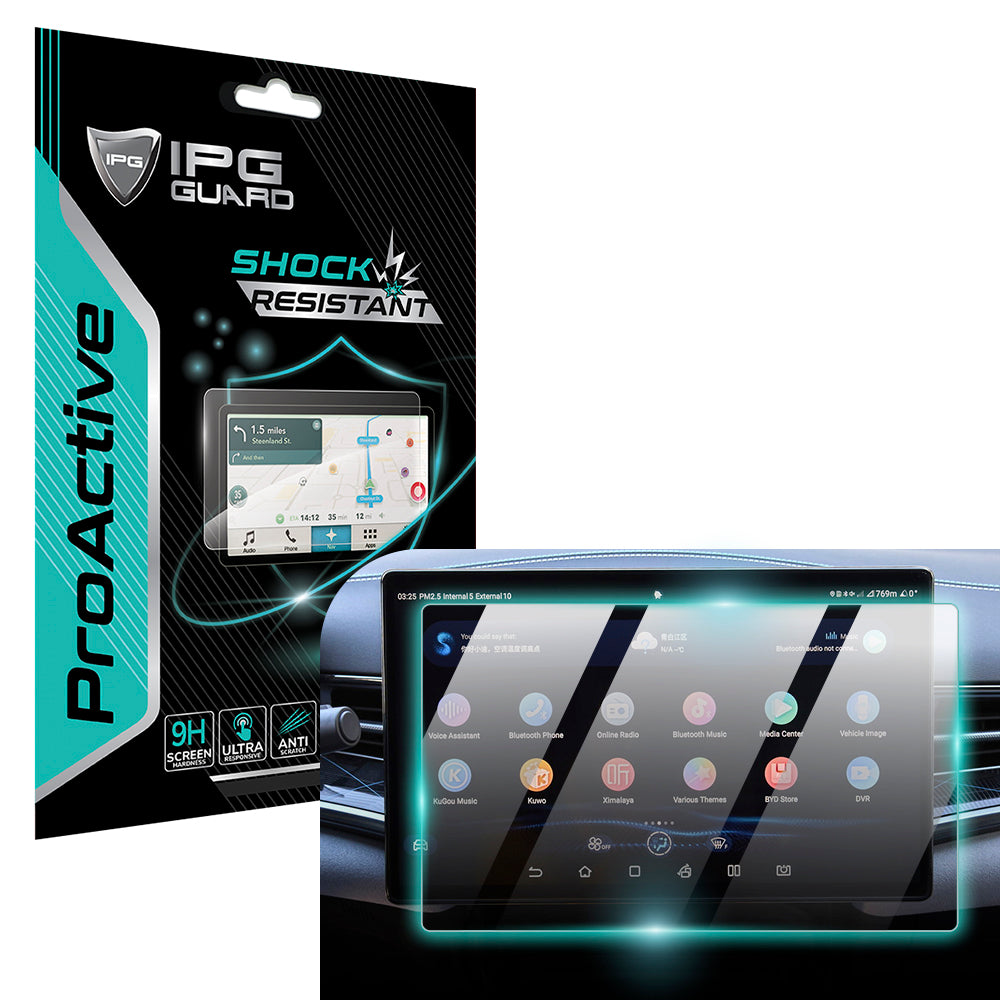


Did you know that an out-of-warranty screen repair for an iPhone 17 Pro Max now costs a staggering $379? It's a high price for a single moment of vulnerability. Your displays are more than just glass; they're the vital interfaces for your work, your travel, and your life. Finding a high-quality screen protector is the most effective way to safeguard these high-value investments against the daily rigors of 2026.
We know you've dealt with the frustration of misaligned fits, reduced touch sensitivity, and the annoying glare on your vehicle's navigation system. You deserve a shield that's invisible to the eye but uncompromising in its defense. This guide promises to help you master the technical specifications of modern materials like Gorilla Glass Ceramic 3 and MIL-STD-810H durability standards. We will detail how to achieve a bubble-free, precision-cut fit for everything from smartphones and Tesla displays to specialized industrial tools and marine electronics. Learn to preserve clarity and resale value with professional-grade stewardship.
Key Takeaways
- Differentiate between high-impact tempered glass and self-healing hydrogel shields to match your specific device geometry and material requirements.
- Learn how to eliminate distracting glare and oily fingerprints on large-format automotive displays, including Tesla and BYD infotainment systems.
- Discover rugged protection solutions designed for industrial diagnostic tools that maintain high touch sensitivity in demanding shop environments.
- Apply our 2026 selection framework to identify the ideal screen protector based on your primary risk factors and screen curvature.
- Master the "Zerodust" application process to achieve a seamless, invisible fit on every display from smartphones to marine electronics.
The Evolution of Screen Protectors: Why Display Integrity Matters in 2026
Screen protection has evolved into a specialized science of preservation. In 2026, displays are no longer just glass surfaces; they're complex layers of OLED pixels, high-refresh-rate controllers, and haptic sensors. A modern screen protector acts as a high-performance barrier that maintains these functions without compromise. The introduction of Gorilla Glass Ceramic 3 in 2026 has raised the bar for drop resistance, yet scratch vulnerability remains a constant threat. Even the toughest glass can't heal itself from the grit in your pocket or the sand at the beach. This Screen protector overview shows how the industry has progressed from basic films to precision-cut shields. Stewardship matters. When you protect a device, you're ensuring its longevity and its ability to serve you reliably.
There is a deep sense of security that comes from knowing your tools are safe. Whether it's a smartphone or a specialized diagnostic tool like an Autel MaxiSYS, maintaining its integrity shows respect for the craft. It's about being a guardian of your technology. You've invested in quality; it only makes sense to defend it. Professional-grade protection ensures that your focus remains on the task at hand, not on the vulnerability of your equipment.
The Cost of Neglect vs. The Value of Preservation
Micro-abrasions are the silent killers of display clarity. You might not see them at first. Over time, these tiny scratches scatter light and reduce the vibrant contrast of your screen. They're inevitable without a barrier. Consider the financial stakes. A single drop can lead to a $379 repair bill for an iPhone 17 Pro Max. That's nearly 40% of the phone's original value. Using a screen protector is simple logic. It maintains the resale value and the factory-fresh aesthetics of your electronics. Don't let your high-value assets lose their edge through simple neglect. Preservation keeps that smooth, responsive feel under your fingertips for years.
Modern Display Challenges: Glare, Fingerprints, and Impact
Factory-applied oleophobic coatings are designed to fail. They repel fingerprints, but friction from your skin eventually wears them away. Once that happens, your screen feels sticky and looks dirty. A protector preserves this original finish by acting as the primary contact point. It also handles modern environmental challenges. High-intensity glare in a Tesla cockpit or dust in a workshop can make a screen unreadable. Proper light filtration is now essential for both visibility and eye comfort. Screen protection is a sacrificial layer engineered to endure the impacts and environmental stressors that would otherwise destroy a high-value display.
Comparing Protector Materials: Tempered Glass vs. Hydrogel Shields
Material science is the foundation of effective stewardship. In 2026, the choice between tempered glass and hydrogel isn't arbitrary. It is a decision based on screen geometry and impact probability. Tempered glass provides a rigid, high-tension barrier that excels at absorbing direct force. Hydrogel offers a flexible, self-healing skin that moves with the device. Understanding these mechanical properties allows you to choose the right screen protector for your specific environment. It is about matching the defense to the threat.
9H Hardness Tempered Glass: The Ultimate Shield
The 9H rating is the peak of scratch resistance. It refers to the material's ability to resist abrasions from a 9H lead pencil, the highest grade on the scale. For flat smartphone displays, this material remains the gold standard. It utilizes a multi-layered composite structure to dissipate kinetic energy across its surface. A typical unit includes an oleophobic coating, tempered glass, and a silicone adhesive layer. The glass acts as a sacrificial barrier; it breaks so your expensive OLED doesn't have to. You can find more technical details in our 9H Hardness Tempered Glass guide.
Hydrogel and ProActive Tech: Flexibility Without Compromise
Curved displays and wearables require a more adaptable approach. The My IPG Original (Hydrogel) Screen Protector uses advanced ProActive technology to conform to complex shapes. These films are engineered with shape-memory polymers. When a minor scratch occurs, the material slowly flows back into its original state, effectively healing itself over time. This flexibility makes it the ideal Protection for Screen surfaces on curved automotive clusters or Garmin devices. It provides edge-to-edge security that rigid glass simply cannot match.
Aesthetic preferences also dictate your choice. Glossy finishes preserve 100% color accuracy and sharpness for media consumption. Matte finishes are essential for high-glare environments like car cockpits or outdoor job sites. Whether you need the rugged impact resistance of glass or the invisible flexibility of the My IPG Original film, choosing the right material is the first step in professional preservation. If you're ready to secure your hardware, explore our precision-cut collection to find your specific material match.
Specialized Protection: From Automotive Navigations to Industrial Tools
Modern life is surrounded by mission-critical displays that extend far beyond the pocket. In 2026, these screens are the primary interfaces for our transportation, our professional trades, and our outdoor adventures. Just as ML Traffic Engineers Australia provides specialized expertise in traffic and transport planning to keep our roads safe, we must apply similar professional stewardship to the displays that guide us. A failure on a navigation unit or a diagnostic tool isn't just an inconvenience; it's a safety risk or a lost workday. Professional screen protector solutions must be tailored to these specific, high-stakes environments. We approach these devices with a sense of stewardship, recognizing that your tools are an investment in your lifestyle and your livelihood. Protecting them requires more than a generic film; it requires a precision-engineered barrier designed for the unique stressors of the cockpit, the shop floor, and the open sea.
Safeguarding Your Vehicle’s Infotainment System
Your vehicle is an extension of your digital world. When you're navigating high-traffic corridors in a Tesla Model 3 or a BYD SEAL, visual clarity isn't a luxury; it's a safety requirement. These massive 15.6-inch displays are prone to distracting glare and oily fingerprint buildup that can obscure vital information. A specialized automotive screen protector is essential to maintain visibility in direct sunlight. Precision fit is mandatory here. A shield that's even a millimeter off can interfere with the sleek aesthetics of a modern EV interior. You can find detailed material recommendations in our Car Screen Protector Buying Guide 2026. Don't let smudges or reflections compromise your focus on the road.
Industrial and Marine Display Longevity
In the workshop, equipment takes a beating. Mechanics and technicians rely on diagnostic tools like the Snap-on Triton, Apollo, or Autel MaxiSYS MS909 to perform precise work. These HMI (Human-Machine Interface) screens face constant exposure to grease, metal shavings, and accidental impacts. A rugged shield is the only thing standing between a productive shift and a costly equipment replacement. Our HMI Screen Protector guide explains how to maintain touch sensitivity even when wearing gloves or working in harsh conditions.
Marine environments present even harsher challenges. Salt spray and intense UV exposure can quickly degrade the factory coatings on Lowrance fishfinders and Garmin navigation units. Visibility is everything when you're on the water. Utilizing Anti Glare Fish Finder Screen Protectors ensures that you can read your sonar data clearly, even under the midday sun. Whether it's a Harley-Davidson cluster display or a Garmin DESCENT wearable, every screen deserves a guardian that understands the environment it lives in. We provide that security through meticulous engineering and material science.
The 2026 Selection Framework: Choosing Your Perfect Guard
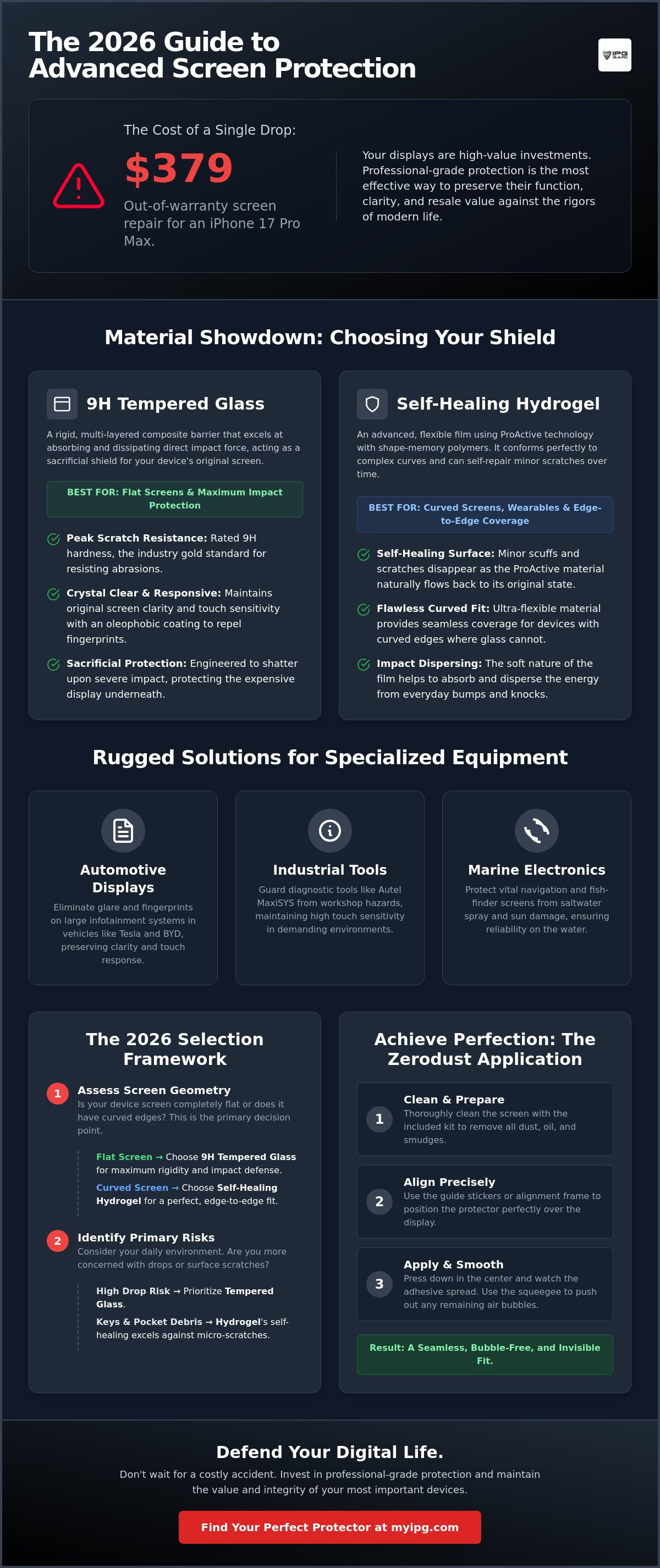
Selecting the right screen protector is a methodical process. It requires a clear understanding of your environment and the specific vulnerabilities of your hardware. A generic solution is no longer sufficient for the high-value displays of 2026. You need a framework that balances material science with daily utility. This four-step selection process ensures your stewardship over your devices is both effective and invisible. Identify the threat. Match the material. Secure the asset. It’s a professional approach to digital preservation that prioritizes performance over marketing hype.
Assessing Your Daily Risk Profile
Start by evaluating where your device spends most of its time. A smartphone in a pocket faces constant friction from keys and grit, demanding the 9H scratch resistance of tempered glass. Conversely, a tablet used in a medical or industrial setting might prioritize anti-microbial coatings and impact dissipation. For professionals handling sensitive data in public spaces, an IPG Privacy Screen Protector is mandatory. It restricts viewing angles to ensure your information remains confidential. Your physical environment dictates your material choice. If your display lives on a car dashboard, heat resistance and glare reduction become the primary technical requirements. If it’s on a workshop floor, grease resistance and touch sensitivity with gloves are the critical metrics.
- Impact Risk: High-traffic areas or construction sites.
- Scratch Risk: Daily pocket carry or outdoor environments.
- Glare Risk: Automotive cockpits and marine navigation.
- Privacy Risk: Commuting and open-office professional work.
The Importance of Precision Cutting
Universal protectors are a compromise you shouldn't accept. They often leave exposed gaps at the edges, which become magnets for dust and pocket lint. This accumulation eventually leads to adhesive failure and lifting. A device-specific, precision-cut shield follows the exact contours of your screen, including the subtle curves of modern 2026 displays. This is especially vital for items like an IPG Phone camera lens protector. A poorly fitted lens guard can cause light refraction or "ghosting" in your photos, effectively ruining the performance of a thousand-dollar camera system. Precision ensures that the guard remains a silent partner in your device's longevity.
Compatibility with other accessories is the final step. A high-quality protector must be "case-friendly," meaning it stops just short of the bezel to allow for protective housings without peeling. Whether you're shielding a Tesla navigation display or a Garmin wearable, the fit must be seamless. This meticulous attention to detail prevents the "bubble" effect often seen with inferior products. If you are ready to apply this framework to your own hardware, find your device-specific guard in our collection today. Secure your investment with the precision it deserves.
Achieving Perfection: Installation and The My IPG Advantage
Precision engineering requires precision application. Even the most advanced screen protector is only as good as its bond to the glass. We view ourselves as guardians of your technology, and that stewardship begins the moment you peel back the adhesive backing. Our My IPG "Zerodust" commitment is a methodical approach to ensuring your high-value displays remain flawless. For massive 15.6-inch navigation screens in a BYD or Tesla, hydrogel is often the superior choice over rigid tempered glass. Its inherent flexibility allows for a more forgiving installation on large surfaces. It stretches slightly to accommodate minor alignment shifts, reducing the risk of permanent creases or catastrophic misalignment during the application process.
Installation is the final step in securing your investment. It's a moment that requires focus and the right environment. We provide the tools; you provide the care. This partnership ensures that your device remains protected without sacrificing the tactile response or visual clarity you expect from high-end electronics. Whether it is a smartphone or a marine fishfinder, a seamless fit is the hallmark of professional-grade protection. It is about maintaining the integrity of the items you value most through careful, deliberate action.
Professional Installation Tips
Success starts with your environment. Airborne particles are the primary cause of application failure. Creating a makeshift clean room is a proven tactic. Steam from a hot shower helps ground dust, providing a clear window for a bubble-free bond. Clean the display thoroughly with an alcohol prep pad followed by a microfiber cloth. Use the provided dust removal stickers to capture every remaining speck. If you're wondering How to Put a Screen Guard on Like a Pro, the secret is working from the center outward. Use steady, firm pressure with a squeegee to displace air. If a pocket remains, don't panic. Learning How to Get Air Bubbles Out of Screen Protector units is simple with the right technique. Small bubbles often dissipate within 24 to 48 hours as the adhesive settles.
- Clean: Use alcohol and microfiber to remove oils.
- De-dust: Apply adhesive stickers to remove microscopic debris.
- Align: Use camera cutouts and sensors as your anchor points.
- Press: Squeegee from the center to the edges to lock the bond.
The My IPG Specialized Catalog
Our commitment to preservation extends across every device you value. We don't just protect phones; we guard the tools of your trade and the interfaces of your adventures. Our catalog includes a My IPG Phone camera lens protector to safeguard your expensive optics and My IPG Snap-on Triton Apollo Solus +screen protector units for the diagnostic tools in your shop. We even offer aesthetic security with custom My IPG Tesla Model 3 / Model Y door handle decal kits. Each product is precision-cut to maintain the integrity of your hardware. Whether it's an Autel diagnostic tool or a Garmin DESCENT wearable, we provide the specialized shield you need. Protect your high-value displays with My IPG precision today and experience the security of professional-grade defense. Your hardware is in safe hands.
Master the Art of Display Stewardship
Your high-value displays are the vital interfaces of your digital and professional life. They deserve more than a generic barrier. True stewardship requires a methodical approach to preservation that respects the engineering of the device itself. You now have the technical framework to choose between the high-tension impact resistance of 9H tempered glass and the invisible, self-healing flexibility of hydrogel. Whether you're shielding a smartphone, a BYD infotainment system, or a rugged marine fishfinder, precision is the only standard that matters. A properly fitted screen protector doesn't just prevent damage; it preserves the clarity and resale value of your most important tools. To discover how a high-quality display can enhance your access to global entertainment through services like iPvos, read more.
My IPG is your dedicated specialist in display integrity. We provide precision-cut solutions for over 5,000 devices, ensuring a seamless fit for everything from camera lenses to industrial diagnostic equipment. We offer specialized material options and provide global shipping on all protection solutions to keep your world clear. It's time to act as the guardian of your technology. Secure your device with My IPG precision-cut protection and enjoy the confidence that comes with uncompromising defense. Your hardware is in safe hands.
Frequently Asked Questions
Do screen protectors affect the touch sensitivity of my device?
High-quality materials like ultra-thin tempered glass and hydrogel maintain 100% touch response. Precision adhesives ensure there is no air gap between the protector and the display, which is the primary cause of lag. Modern haptic feedback and multi-touch gestures remain fully functional when using a precision-engineered shield. Your device's responsiveness stays exactly as the manufacturer intended.
What is the difference between 9H tempered glass and hydrogel?
Tempered glass offers rigid impact resistance and superior scratch defense with a 9H hardness rating. Hydrogel, such as the IPG Original, is a flexible polymer that provides edge-to-edge coverage and self-healing properties for minor abrasions. Glass is ideal for flat surfaces, while hydrogel is the specialized choice for curved displays, wearables, and large automotive screens.
Can I use a screen protector on a curved car navigation screen?
Yes, hydrogel films are specifically designed to conform to the complex curvatures of automotive infotainment systems like those in Tesla and BYD vehicles. Unlike rigid glass, which may lift at the edges, hydrogel provides a seamless bond across the entire surface. This ensures full protection against fingerprints and glare without compromising the sleek interior aesthetics of your cockpit.
How do I remove a screen protector without damaging the original display?
Lift one corner gently using a fingernail or a thin plastic card and slowly peel the shield away at a low angle. High-quality silicone adhesives leave no residue on the factory glass. If any stubborn adhesive remains, a quick wipe with a microfiber cloth and a small amount of isopropyl alcohol will restore the display to its original condition safely.
Will a camera lens protector make my photos look blurry?
A precision-cut IPG Phone camera lens protector uses high-transparency optical glass that doesn't interfere with light intake or focus. It's engineered to prevent refraction and "ghosting" artifacts in your images. Keeping the lens guard clean of fingerprints is essential to maintaining the professional-grade photo quality your hardware is designed to deliver in every lighting condition.
How long does a typical screen protector last before needing replacement?
A typical shield lasts between six and twelve months depending on your daily environmental exposure. While the material is durable, the oleophobic coating eventually wears down from skin friction. You should replace the screen protector if you notice deep scratches, edge lifting, or a significant decrease in fingerprint resistance to maintain optimal stewardship over your device. Fresh protection ensures continued clarity.
What is the best way to get rid of air bubbles during installation?
Use a firm squeegee or a credit card wrapped in a microfiber cloth to push bubbles from the center of the screen toward the nearest edge. For microscopic air pockets, wait 24 to 48 hours; most high-quality adhesives are breathable and will allow tiny bubbles to dissipate naturally. Ensuring a dust-free environment during the screen protector installation is the best preventative measure.
Are privacy screen protectors effective for outdoor use?
Privacy filters work by using micro-louver technology to block side-angle viewing, which remains effective in outdoor light. However, these filters can slightly reduce overall screen brightness. You may need to increase your display's backlight setting to maintain perfect visibility when working in direct sunlight or high-glare environments. They provide security without sacrificing your ability to stay productive on the go.