
A screen protector is no longer an optional accessory. It is a critical engineering requirement for the modern smartphone. With official out-of-warranty repairs for the iPhone 17 Pro Max reaching $379 in 2026, the financial margin for error has never been thinner. You need phone screen protection that functions as an invisible guardian, not a bulky layer that peels at the edges or compromises touch sensitivity.
It is frustrating to deal with bubbles during installation or protectors that fail to cover curved displays properly. You've likely experienced the disappointment of a shield that loses its clarity within weeks. We understand that your device is a high-value investment that requires meticulous stewardship and professional-grade materials to maintain its integrity.
This guide helps you master the science of screen integrity and discover which precision-cut shield matches your specific device and lifestyle. We provide a technical breakdown of hydrogel flexibility versus tempered glass impact resistance. You will learn how to achieve a perfect fit that preserves the responsive feel and visual brilliance of your display.
Key Takeaways
- Analyze the 2026 display repair market and learn how to prevent micro-scratches from compromising your screen’s structural integrity.
- Distinguish between the heavy-duty impact resistance of tempered glass and the self-healing, edge-to-edge coverage of hydrogel films.
- Use our guardian’s selection framework to find the precision phone screen protection that matches your lifestyle and device geometry.
- Discover how custom-fit engineering prevents dust accumulation and ensures a seamless bond for high-value tech investments.
- Explore specialized protection strategies for non-smartphone displays, including industrial tools and automotive navigation systems.
Beyond the Scratch: Why Modern Phone Screen Protection is a Necessity
Modern displays are engineering marvels. In 2026, the transition to advanced LTPO and OLED technology has made screens more vibrant but significantly more expensive to replace. A single drop can result in a repair bill exceeding $300 for flagship models. This is why phone screen protection has evolved from a simple plastic film into a precision-engineered shield. It acts as an invisible guardian. It performs its duty without interfering with the user experience or visual fidelity. It's about preserving the structural integrity of your most used tool through meticulous stewardship.
The Anatomy of a Screen Crack
Glass is strongest when its surface is pristine. Micro-scratches, often caused by sand or pocket debris, create weak points that compromise surface tension. These tiny fissures become the starting point for a spiderweb crack during an impact. A high-quality screen protector functions as a sacrificial layer. It absorbs and dissipates kinetic energy before the force reaches the underlying display. For devices with 2.5D or 3D curved edges, specialized film tension is required to prevent lifting at the perimeter. Modern shields also include advanced oleophobic coatings. These maintain the smooth, factory-fresh glide you expect from a high-end device while resisting fingerprints and oils.
Financial Stewardship of Your Tech
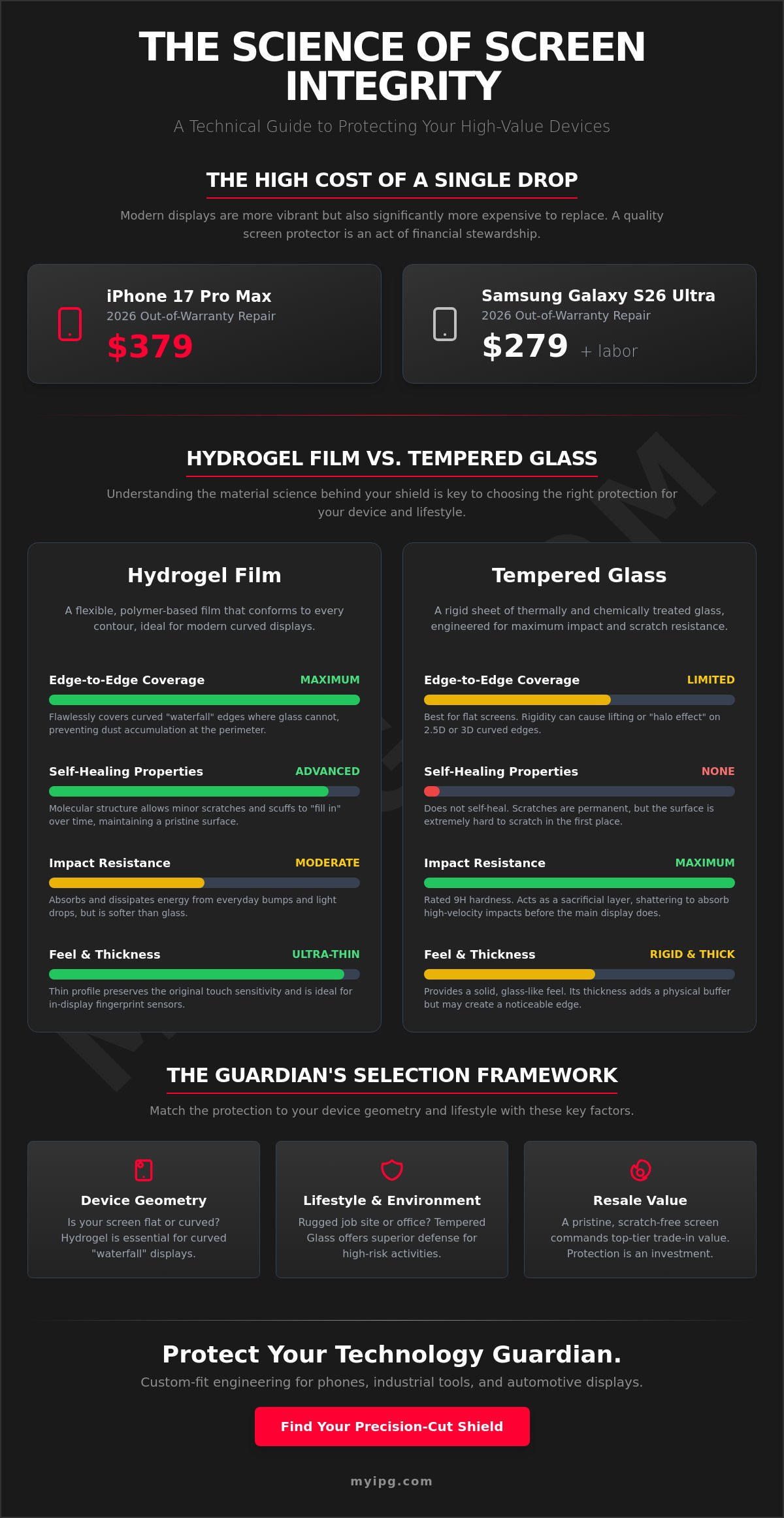
Choosing a shield is an act of financial stewardship. Official out-of-warranty repair costs for the iPhone 17 Pro Max currently sit at $379. The Samsung Galaxy S26 Ultra costs $279 plus labor and taxes. These figures represent a significant percentage of the device's total value. Beyond immediate repair costs, screen clarity directly dictates resale value. Trade-in programs in 2026 are exceptionally strict. Even minor micro-abrasions can disqualify a device from top-tier credit, costing you hundreds in potential value. This need for durability extends to professional equipment. Technicians using Snap-on diagnostic screens in automotive environments require industrial-grade films. These must resist oil, grease, and heavy-duty wear while maintaining touch sensitivity. Maintaining optical clarity is essential for both daily performance and long-term investment protection.
Hydrogel vs. Tempered Glass: Decoding the Science of Your Shield
Selecting the right phone screen protection requires an understanding of material science. It's not just a layer of clear material; it's a calculated barrier designed to manage kinetic energy and light transmission. Your choice between tempered glass and hydrogel should be dictated by your device's geometry and your daily environment. Both materials aim for near-perfect optical transparency, yet they interact with your display in fundamentally different ways. While tempered glass excels at absorbing high-velocity impacts, hydrogel offers a thinner profile that preserves the rapid response of modern in-display fingerprint sensors. Precision matters when you're protecting a high-value asset.
When to Choose Tempered Glass
Tempered glass is the industry standard for high-impact resistance. It undergoes a specialized thermal and chemical tempering process to achieve a 9H hardness rating. This rating means the surface can resist scratches from materials as hard as a masonry drill bit. It's the ideal choice for flat-screen devices and users in rugged environments like construction sites or frequent outdoor excursions. The trade-off for this maximum shatter resistance is thickness. A thicker shield provides a substantial physical buffer, but it may create a slight lip on the edge of the device. If you prioritize absolute impact defense over a slim profile, tempered glass remains the superior guardian. It's a reliable partner for those who need a rigid, glass-like feel under their fingertips.
The Rise of Hydrogel and Self-Healing Films
Hydrogel has become the essential solution for the "waterfall" and curved-edge displays dominating the 2026 market. Unlike rigid glass, the IPG Original Hydrogel is a flexible, polymer-based film that conforms to every contour of your device. It provides true edge-to-edge coverage that glass simply cannot match without lifting. One of its most impressive technical features is its self-healing property. The material's molecular structure allows it to slowly "fill in" minor scratches and scuffs over time, maintaining a pristine surface. This flexibility also enables the Zerodust advantage. It creates a seamless bond that eliminates the microscopic gap where pocket lint and debris typically collect. For a sleek, invisible feel that doesn't compromise on durability, you can find your custom-fit hydrogel shield here. It's the modern choice for maintaining the sophisticated aesthetic of high-end technology.
- Tempered Glass: Best for flat screens and maximum drop protection.
- Hydrogel: Best for curved displays, self-healing, and touch sensitivity.
- Optical Clarity: Both materials support 99% light transmission for color accuracy.
- Installation: Hydrogel's flexibility allows for a bubble-free, precision fit on complex shapes.
Real-World Examples: Matching Protection to Your Device
Effective phone screen protection isn't a one-size-fits-all solution. Different hardware demands different material properties. A construction worker's flagship requires different shielding than a marine navigator's fishfinder. We specialize in tailoring these barriers to the exact specifications of your tech. Protection must match the specific environment and hardware specs of the device to ensure long-term reliability. We treat every screen as a high-value asset that deserves a custom-engineered defense.
Mobile Flagships and Budget Heroes
Flagship devices like the Samsung Galaxy S26 series utilize ultrasonic fingerprint scanners. These sensors require ultra-thin, high-clarity films to function without delay. Rigid, poorly engineered glass can block the sound waves, rendering biometric security useless. For the latest entry-level powerhouses, check our iPhone 16e screen protector guide for precise dimension matching. If you work in public spaces, privacy filters are essential. They use micro-louver technology to black out the screen from side angles while maintaining crystal-clear visibility for you. This ensures your sensitive data stays protected from prying eyes in transit or at the office.
Beyond the Phone: Specialty Shields
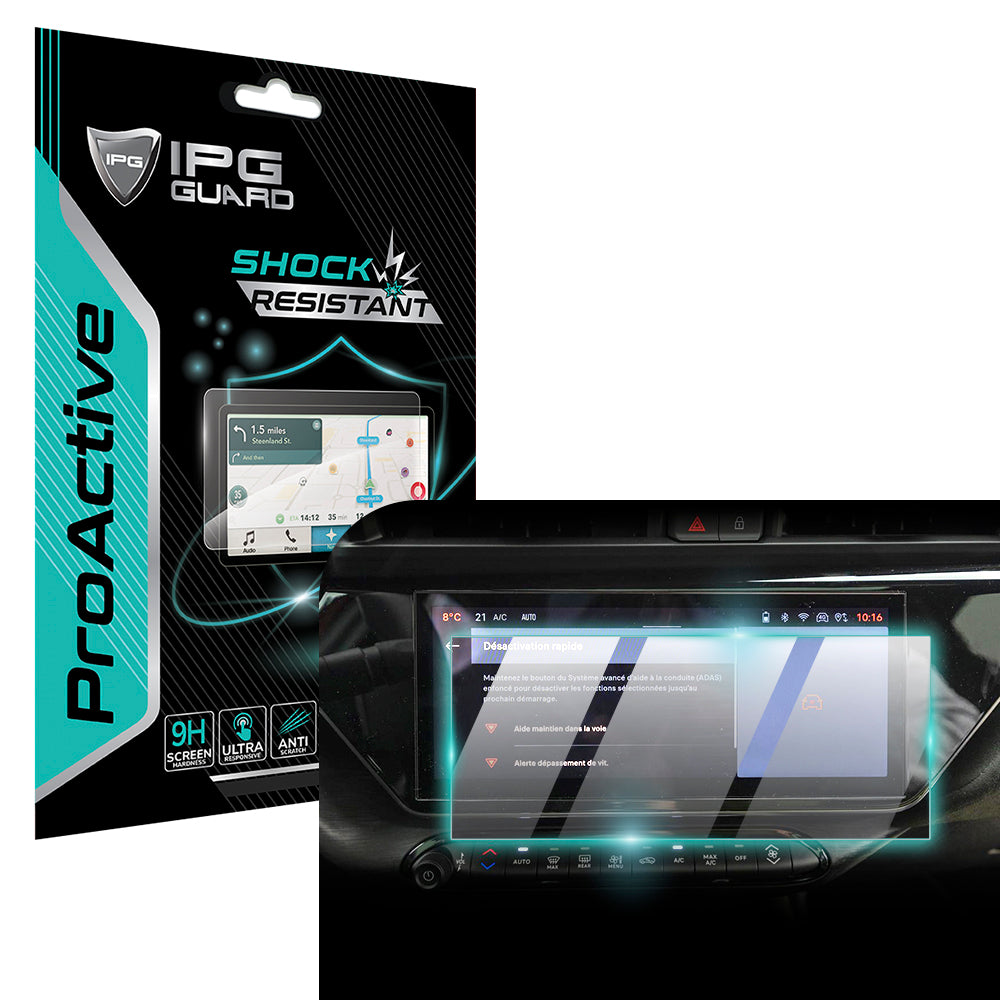
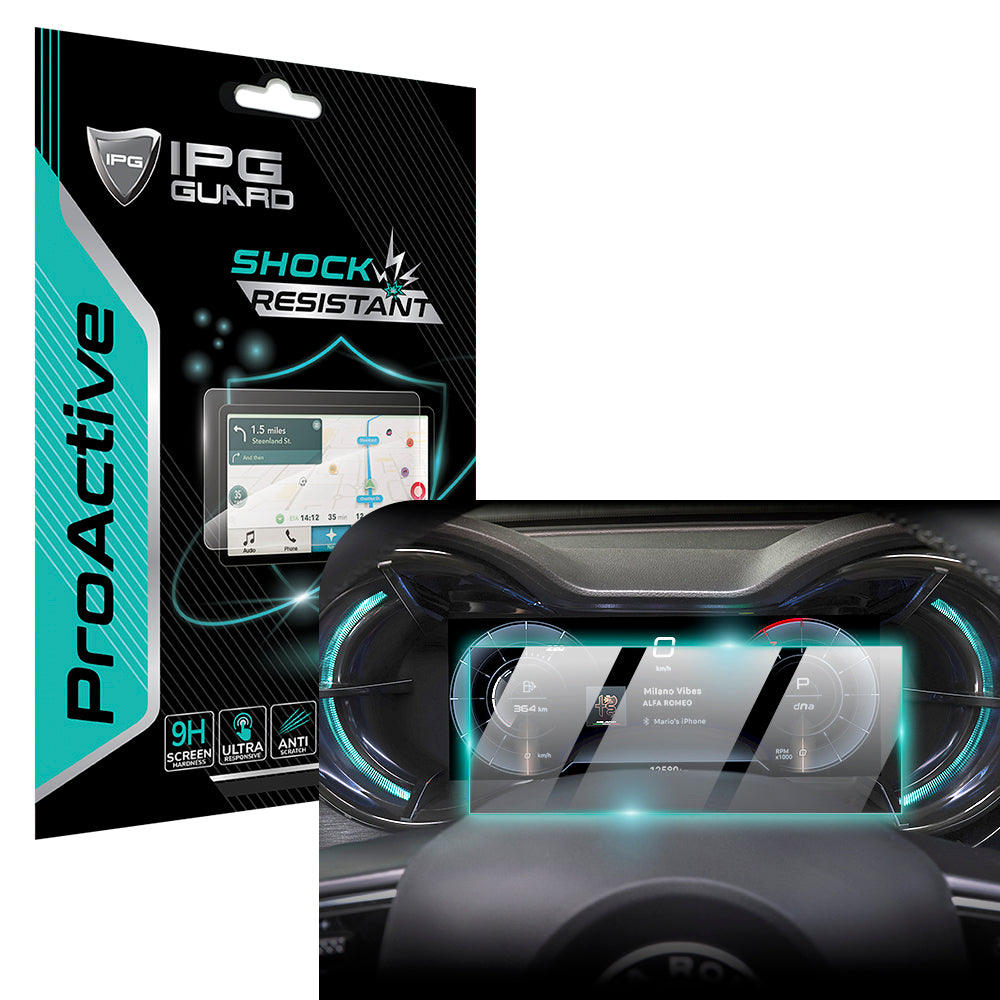
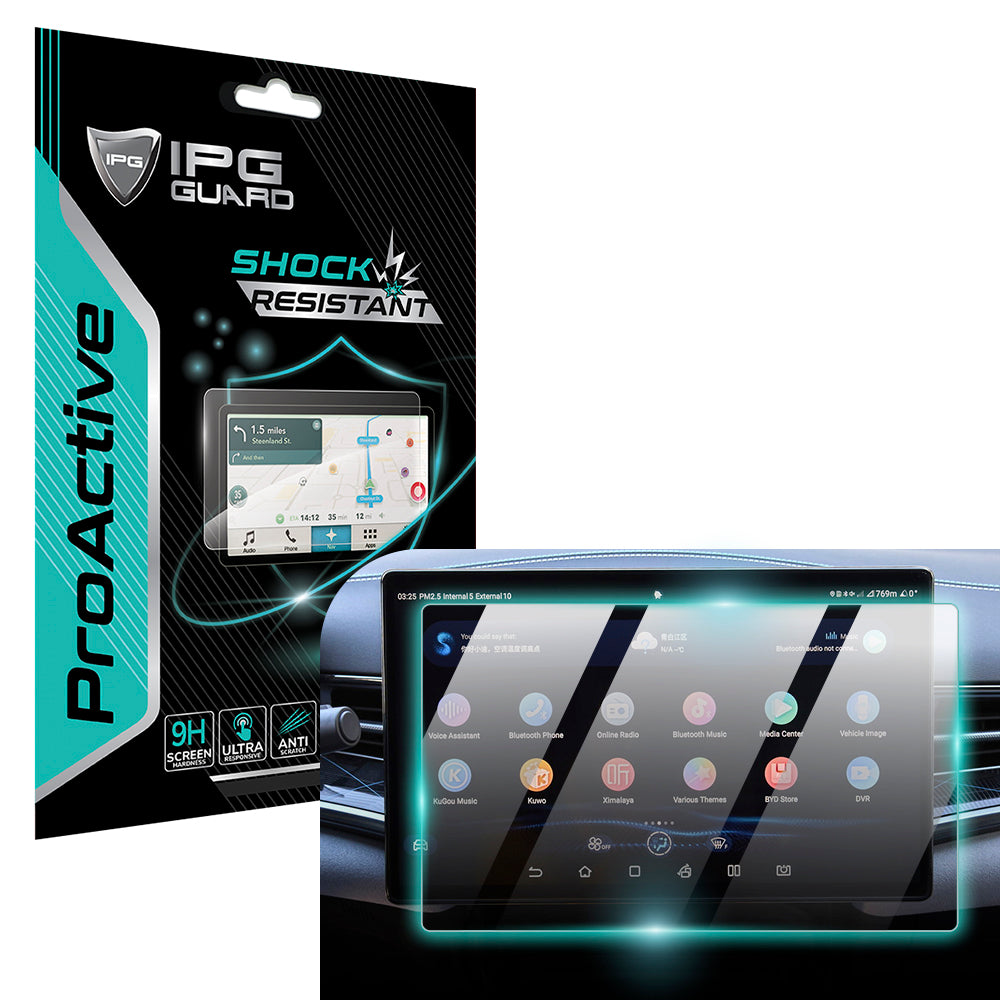
Professional environments demand more than basic scratch resistance. Industrial tools like the Snap-on Triton or Autel MaxiSYS are used in garages where oil, grease, and chemical solvents are constant threats. Our heavy-duty films are engineered with oleophobic layers that prevent permanent staining and maintain touch accuracy through heavy use. In the marine sector, devices like Lowrance fishfinders need anti-glare properties to remain readable under direct sun. Navigation displays in the BYD Seal or Tesla Model Y require specific thermal stability, which is why car screen protectors must be heat-resistant to survive cabin temperatures that often exceed 140 degrees Fahrenheit.
Don't forget your wearable tech. Devices like the Garmin Descent or Apple Watch face unique environmental stressors. Salt-water corrosion and high-velocity impacts against rocks or gym equipment are common. A precision-cut, round watch protector ensures the entire display remains sealed against the elements. Whether it's a 1.5-inch watch face or a 15.6-inch Tesla display, the goal remains the same: invisible, high-performance security. We provide the specialized films needed to protect your entire ecosystem of technology.
The Guardian’s Selection Framework: 5 Factors for Flawless Coverage
Choosing the right phone screen protection is a technical decision. It requires a clear understanding of your environment and hardware. Don't settle for a generic solution. Use this five-step framework to secure your device properly. We approach every shield as a custom-engineered barrier designed for a specific set of stressors.
Step one is identifying your primary risk factor. High-impact environments demand the rigid defense of tempered glass. Scratches from daily pocket debris are better managed by the self-healing properties of hydrogel. Step two involves verifying display compatibility. Curved or "waterfall" screens are incompatible with rigid glass. They need the adaptive tension of a polymer film to prevent edge lifting. Step three is evaluating specialty needs. You might require an IPG Privacy Screen Protector for work or an IPG Camera Lens Protector to safeguard your optics. Step four is checking installation tech. Wet-apply films like our Original Hydrogel allow for exact alignment adjustment before the bond sets. Finally, step five is confirming a precision fit. Avoid universal sheets. They lack the exact sensor cutouts your device requires to function.
Environmental Assessment
Your surroundings dictate your material needs. Outdoor enthusiasts should prioritize UV resistance. Anti-glare coatings are essential for maintaining screen legibility in direct sunlight. Office professionals often benefit from blue-light filtration. This technology helps mitigate eye fatigue during extended shifts. For industrial workers using diagnostic tools, chemical and oil-resistant top layers are critical. These specialized coatings prevent screen degradation in harsh workshop environments where solvents are common.
Precision over Universal
Laser-cut protectors are superior to mass-produced generic versions. A precision shield accounts for every sensor. Proximity sensors, ambient light detectors, and FaceID modules must remain unobstructed to ensure device performance. Universal "cut-to-fit" sheets often fail here. They create dead zones or cause software glitches. Case compatibility is another critical factor. We design our shields with a specific "case-friendly" gap. This slight recession from the edge prevents your protective case from lifting the film. It ensures a permanent, bubble-free bond that doesn't compromise the device's aesthetics.
Technical excellence is our baseline. We act as stewards of your technology by providing custom-fit patterns for over 10,000 devices. Don't leave your screen's integrity to chance. Secure your precision-fit shield today to ensure your device remains factory-fresh and fully protected.
Why My IPG is the Guardian of Your Technology
Choosing My IPG means opting for meticulous stewardship over your high-value assets. We don't just provide phone screen protection; we engineer a performance-driven barrier that respects the original design of your device. Our database contains custom-fit patterns for over 10,000 devices. This ensures that whether you carry a legacy smartphone or the latest 2026 flagship, the fit is absolute. Precision is our baseline. Reliability is our promise.
The Zerodust Revolution is at the heart of our mission. Traditional protectors often leave a microscopic gap at the edge. This gap becomes a "dust-trap" that compromises both aesthetics and hygiene. Our Zerodust technology creates a seamless, edge-to-edge bond. It eliminates the space where debris collects. This results in an invisible, factory-fresh finish that maintains the integrity of your display for the long term. We believe protection should be felt through performance, not seen through bulk.
The IPG Specialized Catalog
Our expertise extends far beyond standard mobile devices. We adapt aerospace-grade materials for everyday use, ensuring your tech survives the most demanding environments. Our catalog includes specialized Phone Camera Lens Protectors to safeguard your optics without compromising light filtration or color accuracy. For automotive enthusiasts, we provide custom vinyl decals and display shields for Tesla and BYD models. Professionals in the field rely on us for industrial diagnostic tool protection. We cover hardware from Snap-on and Autel with oil-resistant, heavy-duty films. We are the global partner in maintaining the integrity of your entire technological ecosystem.
Join the IPG Community
We operate with a direct-to-consumer model. This allows us to provide professional-grade materials without the middleman markup. You get high-end, specialized protection at a fair price. We don't just sell products; we offer expert support. If you need guidance on DIY installation or material selection, our team is ready to assist. We understand the financial and emotional value of your devices. Every shield we ship is a testament to our meticulousness and dedication to your user experience. It's time to stop settling for generic covers that peel and bubble. Secure your high-value investments today with My IPG Precision Shields. Trust the specialist. Protect what you value most.
Secure Your Digital Integrity
Maintaining the structural integrity of your high-value technology is a long-term commitment. You now understand the critical difference between high-velocity impact defense and the self-healing flexibility of hydrogel. Choosing the right phone screen protection is the only way to avoid the rising $300 plus repair costs seen in 2026. Whether you're shielding an iPhone 17 or a Tesla navigation display, precision engineering is your most reliable ally. It's about preserving the clarity and responsiveness you rely on every day.
We take our role as guardians seriously. Our catalog features precision-cut patterns for over 10,000 devices. We utilize aerospace-grade hydrogel technology to ensure a seamless, bubble-free bond that preserves every pixel. With global shipping on all orders, professional-grade security is accessible no matter where your work takes you. Don't leave your screen's future to chance. Every micro-scratch avoided is a victory for your device's longevity and resale value.
Protect Your Investment with IPG Precision Shields
Take the final step in device stewardship. Your technology deserves a shield that performs as hard as you do. Invest in the peace of mind that comes with expert-level protection.
Frequently Asked Questions
Does a screen protector affect touch sensitivity or the fingerprint sensor?
High-performance phone screen protection maintains 100% touch accuracy when engineered correctly. Thinner materials like hydrogel ensure that ultrasonic fingerprint sensors register biometric data without delay. Rigid glass can sometimes create a barrier for sound waves. Choosing the right material thickness is essential for maintaining seamless biometric security on modern flagship devices.
Is hydrogel better than tempered glass for curved screens?
Hydrogel is the definitive choice for curved and "waterfall" displays. Its flexible polymer structure allows it to wrap around complex geometries where rigid tempered glass would fail to adhere. This prevents the common issue of edge-lifting. It ensures a seamless bond that follows the device's natural contours for total coverage.
How do I remove air bubbles during a screen protector installation?
Use a microfiber cloth and a squeegee tool to firmly push larger bubbles toward the perimeter. If you are using a hydrogel protector, tiny micro-bubbles often disappear on their own within 24 to 48 hours. The material's breathable nature allows trapped air to dissipate naturally over time without further intervention.
Can I use a screen protector with a phone case?
You can use a protector with a case if you select a "case-friendly" precision cut. These shields are designed with a slight recession from the edge of the device. This gap prevents the lip of your protective case from making contact with the shield. It stops the case from causing the film to peel or lift during daily use.
How often should I replace my phone screen protector?
Replace your shield immediately if you see cracks, deep fissures, or significant edge peeling. While hydrogel features self-healing properties for minor scuffs, deep gouges compromise the structural integrity of the barrier. Regular inspection ensures your high-value display remains under constant, effective stewardship to prevent expensive out-of-warranty repairs.
What is the difference between 9H and 10H hardness?
These numbers represent levels on the pencil hardness scale rather than the Mohs scale. 9H is the professional standard for tempered glass and resists scratches from most steel objects. 10H indicates a higher level of chemical reinforcement. It provides even greater resistance against abrasive materials and high-velocity impacts in rugged environments.
Will a privacy screen protector make my display look dim?
Privacy filters will slightly reduce your display's peak brightness due to the micro-louver technology used to block side-angle viewing. This typically results in a 15% to 20% reduction in light transmission. You can easily compensate for this by adjusting your device's brightness slider to a slightly higher level to maintain optimal visual clarity.
Are camera lens protectors necessary for new iPhones?
Dedicated camera lens protectors are essential because modern iPhone lens modules protrude significantly from the chassis. This makes the optics vulnerable to impact and surface scratches when placed on hard surfaces. Protecting these lenses ensures your high-resolution photos remain free from lens flare and artifacts caused by avoidable micro-abrasions.