
Would you intentionally hand over $200 just for the privilege of carrying your phone in your pocket? In 2026, that is the exact financial penalty for a device dropping from "mint" to "good" condition because of a few stray micro-scratches. You probably wonder, are screen protectors worth it for resale value, or is the factory glass tough enough to survive on its own. We believe your high-value tech deserves a dedicated guardian to maintain its integrity and long term worth.
We understand the anxiety of watching a trade-in offer shrink because of "normal wear" that feels entirely preventable. It is a frustrating loss of capital on an item you have handled with care. This guide will show you how a small investment in precision protection translates into hundreds of dollars in additional resale value for your smartphones, automotive displays, and specialized gear. You will learn the critical difference between "Grade A" and "Grade B" pricing, the hidden cost of micro-abrasions, and which protector types offer the best ROI for your specific hardware.
Key Takeaways
- Preserve your "Mint Condition" premium. Learn how maintaining a flawless screen can prevent a $200 loss in trade-in value.
- Evaluate the financial math. Discover why are screen protectors worth it for resale value when compared to the $379 cost of a 2026 screen repair.
- Combat invisible damage. Understand how silica dust creates micro-scratches that ruin display clarity and downgrade your device's market rating.
- Protect high-stakes automotive assets. See why flawless navigation displays are essential for maintaining the resale value of EVs like the BYD SEAL.
- Identify your ideal shield. Compare Hydrogel and Tempered Glass properties to find the perfect balance of durability and high-transparency aesthetics.
The Financial Impact of Screen Condition on Resale Value
Resale value is the liquid capital locked inside your device. In 2026, the secondary market is more surgical than ever. Platforms like Swappa and Back Market have turned tech resale into a high-precision economy where every pixel matters. When you ask, are screen protectors worth it for resale value, you are really asking if you want to keep 15 to 25 percent of your device's initial cost in your own pocket. A 100 percent flawless screen commands a significant "Mint Condition" premium that standard used devices simply cannot reach.
This premium is driven by a powerful psychological association. Buyers view a pristine display as a proxy for the entire device's health. They assume a user who protects the glass has also managed the internal battery cycles and handled the hardware with stewardship. Conversely, a scratched screen suggests neglect. Professional resellers and trade-in partners don't just glance at the glass; they use high-intensity LED lamps to expose micro-fissures and oleophobic coating wear that are invisible under normal room lighting. If they find one, your payout drops instantly.
Understanding the Grading Scale: From Mint to Fair
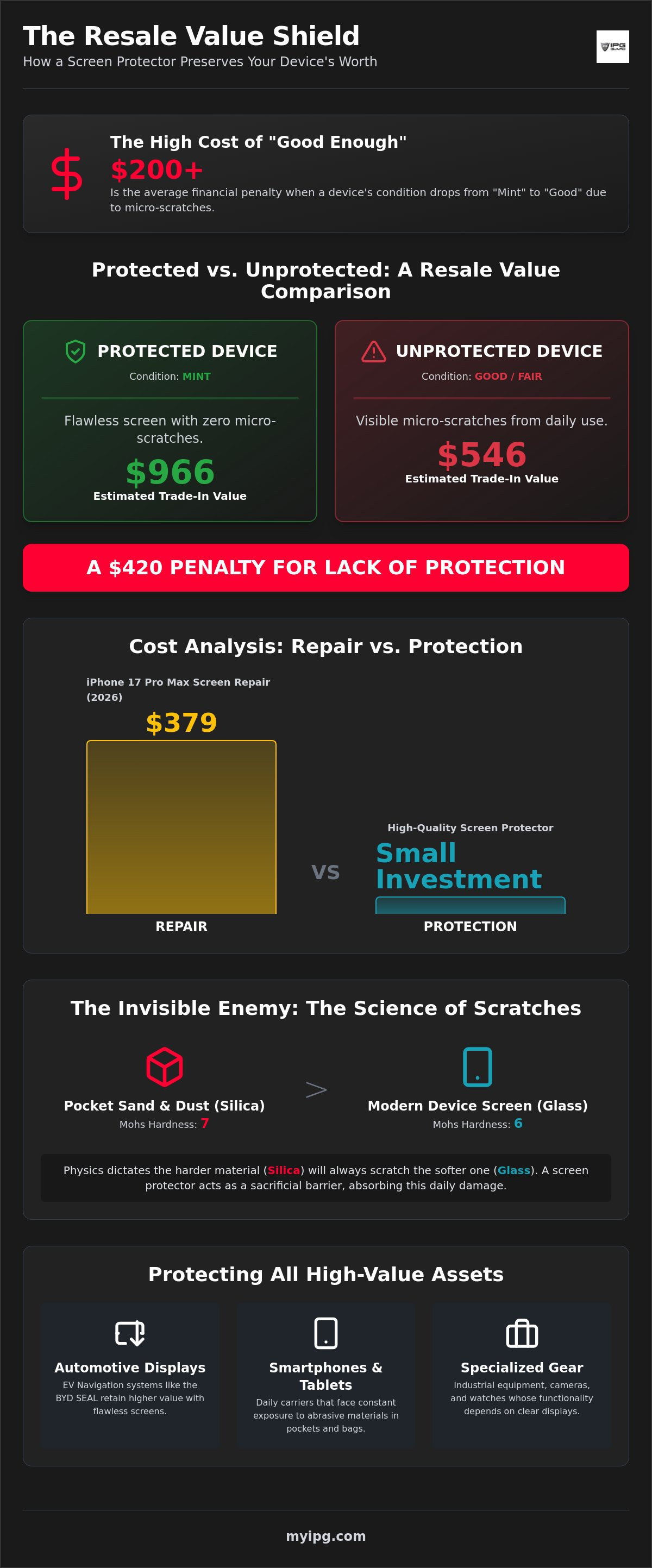
Secondary market grading is binary: it is either perfect or it is not. Grade A (Mint) requires a total absence of scratches, even under magnification. Grade B (Good) allows for light micro-scratches that don't catch a fingernail, while Grade C (Fair) includes deeper scuffs or "hazing" from pocket friction. A single deep scratch can demote a device by two price tiers, slashing the value by 30 to 60 percent. Automated trade-in kiosks, such as EcoATM, now utilize high-resolution AI vision systems to detect these flaws in seconds. For example, a device worth $966 in mint condition can plummet to $546 if the screen shows damage. That is a $420 penalty for a lack of protection.
The Cost of Repair vs. The Cost of Protection
The math for 2026 hardware is clear and unforgiving. Repair costs for modern displays have reached record highs. An iPhone 17 Pro Max screen replacement currently costs $379, while a Samsung Galaxy S26 Ultra repair is priced at $279. These expenses represent a massive sunk cost that you will never recover at resale. To understand what a screen protector is in a financial context, think of it as a defensive asset. By applying a high-quality screen protector for a fraction of the repair price, you lock in your device's highest possible valuation. Protection is a one-time insurance premium against a $300 depreciation event.
Micro-Scratches vs. Cracks: What Actually Devalues Your Device?
A shattered screen is an obvious disaster. It is the micro-scratches, however, that act as the silent thief of your device's equity. While a major crack is a dealbreaker, the accumulation of tiny abrasions is what often answers the question: are screen protectors worth it for resale value? These imperfections are not just cosmetic; they represent the physical erosion of the display's structural and chemical integrity. Professional buyers look for these flaws because they indicate the financial impact of screen condition on the next owner's experience. A screen covered in micro-scratches develops a "haze" that scatters light, reducing peak brightness and color accuracy.
The science is uncompromising. Most modern smartphone glass sits at a level 6 on the Mohs scale of hardness. Common pocket dust and sand often contain silica, which sits at a level 7. Physics dictates that the harder material will always scratch the softer one. Every time you slide your phone into a pocket or bag, you are essentially applying a fine-grit sandpaper to your display. A protector serves as a sacrificial barrier. It absorbs the daily friction and chemical exposure that would otherwise permanently mar the factory glass. If you want to keep your device in Grade A condition, you should consider a specialized iPhone screen protector to act as your first line of defense.
The Invisible Enemy: Pocket Sand and Abrasions
Shatter-proof glass is a marketing triumph, but it is not scratch-proof. In fact, making glass more resistant to drops often involves making it softer, which increases its vulnerability to abrasions. These tiny marks do more than just look bad. They can interfere with the precision of under-display biometric sensors, such as ultrasonic fingerprint readers. When these sensors struggle to read through a "hazed" screen, the device's functional value drops. Protecting the surface ensures the hardware remains as responsive as the day it was unboxed.
Preserving the Factory Feel and Oleophobic Integrity
Every new device comes with an oleophobic coating. This is a chemically bonded layer that repels finger oils and makes the glass feel silky. On a "naked" screen, this coating typically wears off within six to twelve months of regular use. Once it is gone, the screen becomes a permanent fingerprint magnet that is difficult to clean. High-quality protectors are engineered to mimic or even enhance this factory feel. By keeping a protector on from day one, you ensure the original glass remains untouched and perfectly smooth for the eventual buyer. It is the closest you can get to offering them that "new phone" sensation, which is a powerful closer in any resale negotiation.
Protected vs. Unprotected: A Comparison of Trade-in Estimates
Think of your device's screen as a financial ledger. Every micro-scratch is a line item deduction from your future payout. When evaluating if are screen protectors worth it for resale value, you must look at the Protection ROI calculation. Major retailers like Apple, Samsung, and Best Buy utilize a binary grading system. Your device is either "Pristine" or it is not. Even a single visible hairline fracture can demote your hardware from the top-tier payout bracket to a lower classification, resulting in an immediate loss of 20 to 30 percent of its market value. We call this the "Zero-Deductible" strategy. By applying protection immediately, you guarantee your spot in the highest possible trade-in bracket.
Professional resellers and trade-in partners prefer devices that arrive with a protector already installed. It serves as a powerful signal of care. It suggests the internal components, such as the battery and logic board, have been treated with the same level of stewardship as the exterior. This perceived reliability allows you to bypass the friction of aggressive appraisals and secure the maximum offer without negotiation.
Hypothetical Value Retention Table (2026 Models)
The following data illustrates the estimated impact of screen condition on 2026 flagship models. These figures represent the stark reality of the secondary market, where a small investment prevents a massive depreciation event.
| Device Model (2026) | Pristine Value (Mint) | Minor Scratches (Good) | Cracked Screen (Fair) | Net Gain from Protection |
|---|---|---|---|---|
| iPhone 17 Pro Max | $966 | $772 | $546 | $194 - $420 |
| Samsung Galaxy S26 Ultra | $850 | $680 | $480 | $170 - $370 |
| Google Pixel 10 Pro | $720 | $576 | $410 | $144 - $310 |
Why Third-Party Buyers Pay More for 'Screen Protected Since Day 1'
In peer-to-peer marketplaces like eBay or Swappa, trust is the primary currency. The phrase "Always kept in a case and screen protector" is a gold standard for listings. This specific language increases click-through rates because it builds immediate confidence with the buyer. They are not just buying a phone; they are buying peace of mind. Visible preservation proves that you are a meticulous owner. When a buyer sees a flawlessly maintained display, they are often willing to pay a premium over "naked" devices that carry the risk of hidden wear. Protecting your screen is a simple way to outshine the competition and close your sale faster at a higher price point.
Beyond Smartphones: Resale ROI for Automotive and Industrial Gear
While smartphones are the most common devices we protect, they are not the most expensive displays in your daily life. Modern vehicles, particularly Electric Vehicles (EVs), are essentially high-performance computers on wheels. Replacing an infotainment screen in a Tesla Model 3 or a BYD SEAL is not a simple $300 repair. It often involves replacing the entire integrated head unit, which can cost thousands of dollars. When you consider are screen protectors worth it for resale value in the automotive sector, the return on investment is massive. A scratched center display is an immediate dealbreaker for most used car buyers. It signals a lack of stewardship over the vehicle's most critical interface and can lead to a significant drop in trade-in equity.
The centerpiece of the modern car cabin is the digital interface. Whether it is a luxury sedan or a rugged work truck, the condition of the dashboard screens dictates the perceived age and value of the vehicle. Protecting these surfaces is not just about aesthetics; it is about preserving the functional integrity of the car's primary control system.
Automotive Infotainment: The Centerpiece of Car Resale
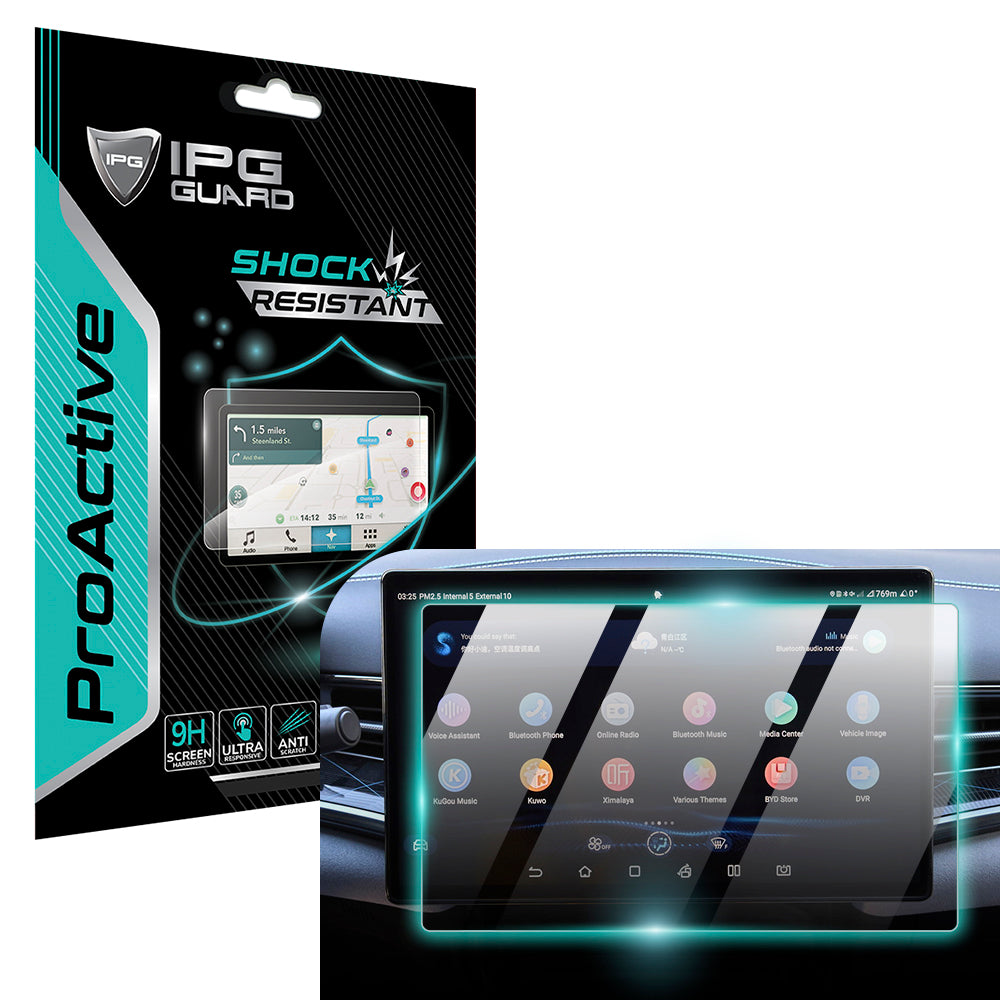
The center screen is the first thing a used car inspector or potential buyer notices when they sit in a modern cabin. In vehicles like the BYD SEAL, the 15.6 inch display is the command center for everything from climate control to navigation. Scratches on this surface are impossible to hide and suggest the car was not handled with meticulous care. High-quality protection with anti-glare properties maintains the "luxury" look of the interior. It prevents the inevitable degradation caused by rings, keys, or abrasive cleaning chemicals that strip factory coatings over time. For a deeper dive into preserving your vehicle's interior, consult our car screen protector buying guide.
Industrial and Marine Tech: Tools of the Trade
The stakes are even higher for professional diagnostic equipment and marine electronics. Tools like the Snap-on Triton Apollo Solus or Autel MaxiSYS MS909 represent financial investments of $5,000 or more. In a workshop environment, these screens are exposed to grease, metal grit, and heavy impact. Applying a Snap-on screen protector is a strategic move to preserve the asset's liquidation value. Similarly, marine gear like the Lowrance Eagle 4 inch Elite must withstand constant salt spray and intense UV exposure. Without protection, these displays develop permanent "sun-scald" or salt etching that makes them unreadable for the next owner. Specialized hydrogel or "Original" film protection acts as a guardian against these harsh elements, ensuring your gear stays functional and valuable.
Protecting these specialized displays ensures that when it is time to upgrade, your gear remains in "Like New" condition. Don't let a single scratch devalue your professional tools or your vehicle. Secure your high-value displays with precision protection.
Maximizing Your Return with IPG Precision Protection
Selecting the right shield is a strategic decision for any asset owner. While we have established that are screen protectors worth it for resale value, the specific material you choose dictates how your device is perceived during the appraisal process. IPG offers a specialized range of materials engineered for high-stakes preservation. Our Tempered Glass provides the rigid hardness preferred for flat smartphone displays, while the IPG Original (Hydrogel) offers a flexible, self-healing alternative for curved surfaces and high-value automotive navigation units. These high-transparency films ensure that the display's original color accuracy and peak brightness remain visible, allowing you to showcase the screen's quality without removing the protection.
Resellers often worry about what lies beneath a protector. Some cheap alternatives leave behind a stubborn, sticky residue that can actually damage the factory oleophobic coating during removal. IPG precision films utilize an advanced adhesive technology that ensures a clean, residue-free release. When it is time to sell, you can peel back the protector to reveal a factory-fresh surface that has never been touched by a single grain of dust or pocket sand. This ease of transition is essential for securing a "Mint" rating in seconds.
IPG Original and Hydrogel: The Professional Choice
For complex surfaces, the IPG Original (Hydrogel) is the industry standard. This material features unique self-healing properties that allow minor surface scuffs to disappear over time, maintaining a flawless look throughout the device's lifecycle. It is the ideal solution for curved automotive displays, such as the IPG ProActive for BYD 2022-2025 SEAL Navigation Display Screen Protector. By utilizing the IPG Zerodust Screen Protector application method, you eliminate the unsightly bubbles and lint traps that make a high-end device look cheap and poorly maintained. Whether you are protecting an iPhone 17 or a Harley Cluster Display protector, the fit is laser-cut to the exact specifications of the hardware.
The Final Verdict: Is It Worth It?
The math of 2026 tech ownership is simple. A small investment in a high-quality protector, typically ranging from $20 to $35, acts as a financial firewall for your hardware. It protects against a $200 to $500 depreciation event that occurs the moment your screen is downgraded from "Mint" to "Fair." By acting as a dedicated guardian of your technology, you are not just buying a piece of film; you are securing the liquid value of your equipment. Our final recommendation is clear: protect early, sell high. Do not wait for the first scratch to appear before you take action.
Secure your device's future value with IPG protection today.
Secure Your Maximum Trade-In Payout
Your hardware is a significant financial asset. Preserving its "Mint" condition rating is the only proven method to bypass the aggressive depreciation seen in 2026 secondary markets. By acting as a sacrificial barrier against silica dust and daily friction, a precision-fit shield ensures your factory glass remains untouched. When you evaluate if are screen protectors worth it for resale value, the data confirms that a small upfront investment prevents a massive depreciation event that can slash your device's worth by up to 60 percent.
Trust the specialized protection used by automotive and industrial professionals worldwide. With advanced self-healing Hydrogel technology and custom-cut solutions for over 5,000 devices, we provide the ultimate stewardship for your high-value gear. Whether it is a smartphone, a BYD navigation screen, or professional diagnostic tools, we ensure your tech stays in top-tier condition. Shield your investment and maximize your resale value with IPG. Your future self will appreciate the pristine display and the significantly higher payout.
Frequently Asked Questions
Do screen protectors actually help with resale value?
Yes. Screen protectors are the most effective tool for maintaining a "Mint" condition rating. By acting as a sacrificial layer against silica dust and pocket sand, they prevent the micro-abrasions that trigger automatic value deductions during trade-in appraisals. Many users find that are screen protectors worth it for resale value simply because they preserve the factory oleophobic coating and display clarity.
Can I remove a screen protector before selling without damaging the screen?
Yes, provided you use a high-quality protector with advanced adhesive technology. Professional-grade films and tempered glass peel away cleanly without leaving a sticky residue or stripping the original screen coatings. You should lift the protector slowly from one corner to reveal the pristine factory glass underneath, which is exactly what professional buyers look for during an inspection.
Does a screen protector hide existing scratches for a buyer?
To a limited extent, yes. Specialized hydrogel protectors can fill in very fine micro-scratches, making the display appear clearer and more vibrant. However, no protector will hide deep gouges or structural cracks. If you are wondering are screen protectors worth it for resale value after your screen is already marked, they can prevent further degradation even if they cannot fully restore a "Mint" rating.
What is the best type of screen protector for maintaining value?
The ideal choice depends on your specific hardware. Tempered glass offers superior impact protection for flat smartphone displays, while hydrogel is the standard for curved automotive screens and edge-to-edge devices. Hydrogel's self-healing properties ensure that minor surface scuffs disappear, keeping the device looking newer for a longer period. Both materials are excellent for securing the highest possible trade-in bracket.
Do buyers prefer tempered glass or film protectors?
Secondary market buyers generally prefer tempered glass because it mimics the feel of the original display. However, for specialized equipment like Harley clusters or marine navigation units, high-transparency film is often preferred for its anti-glare properties and slim profile. Ultimately, buyers value the condition of the underlying glass more than the type of protector used to save it.
Does a screen protector affect the trade-in grade at Apple or Samsung?
Yes, but indirectly. While most trade-in programs require you to remove the protector before final grading, the fact that it was there ensures the screen meets "Pristine" or "Grade A" standards. Without protection, even careful users often find their devices demoted to "Good" or "Fair" due to invisible wear, resulting in a significant loss of trade-in credit.
Is it worth putting a protector on an older device before selling it?
Protection is a proactive strategy. If an older device is already heavily scratched, adding a protector won't restore its market value or change its grading. However, if the screen is still in good condition, applying a protector can prevent further damage during the final weeks of use or while the device is in transit to a buyer.
How often should I change my protector to keep the screen looking new?
You should replace your protector every 6 to 12 months or as soon as it shows visible scuffs. Over time, the oleophobic coating on the protector itself will wear down, making it more prone to fingerprints and smudges. Swapping in a fresh shield ensures your display remains crystal clear and maintains that "new phone" feel that attracts premium buyers.