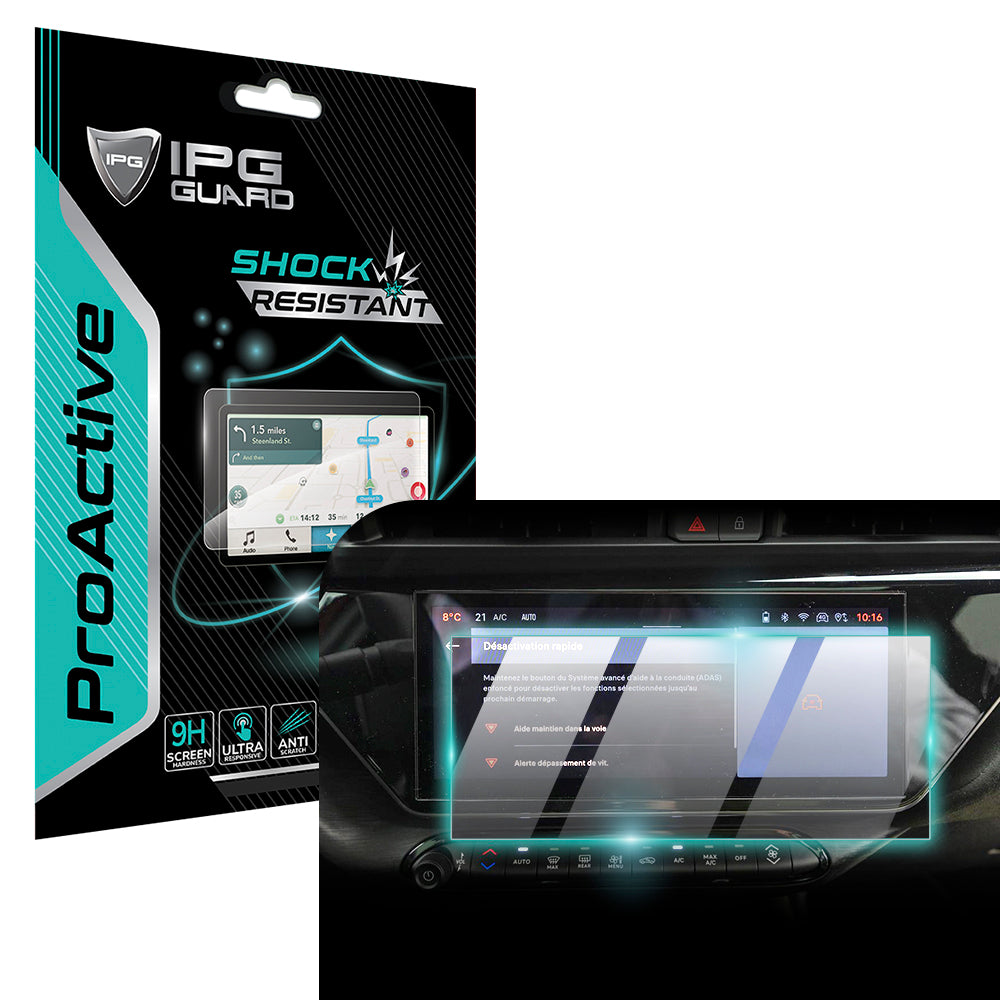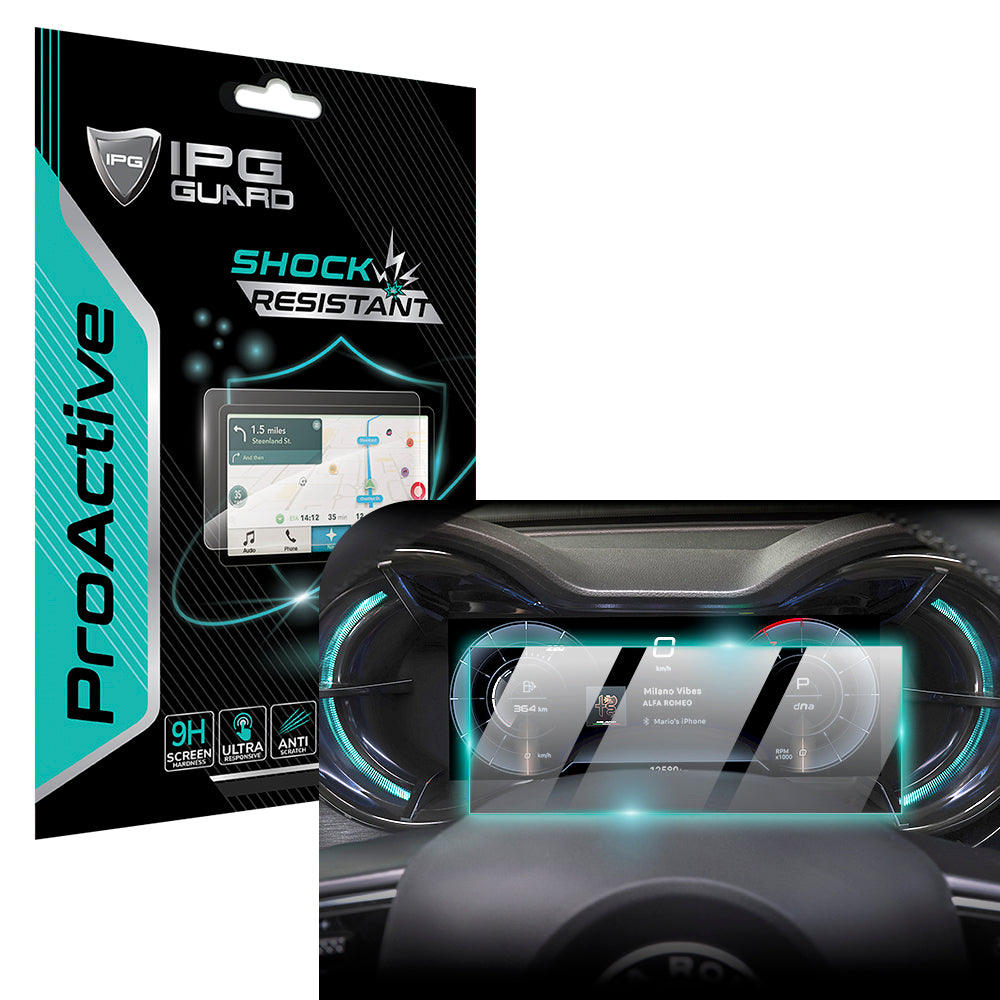
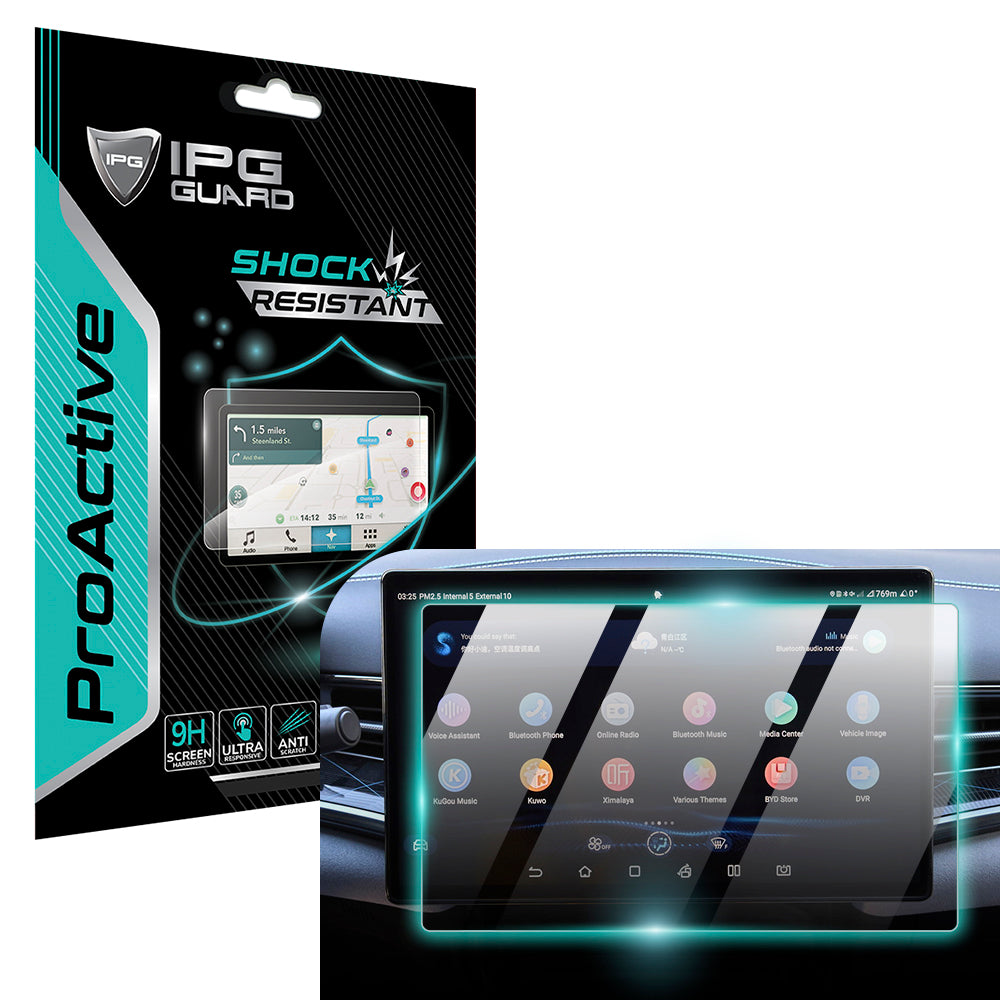


What if a single microscopic grain of sand could permanently devalue your vehicle's most expensive interior component? You've likely experienced the frustration of midday sun blinding your navigation or the persistent smudge of fingerprints on a high-definition display. It's a valid concern for any driver who understands that modern car cabins are now high-performance command centers. Protecting this interface is no longer optional; it is an act of stewardship over your technology.
This guide ensures you never have to settle for a compromised view or a damaged interface. We will explore how to select and install the perfect infotainment screen protector to preserve clarity, haptic functionality, and long-term resale value. From 9H nano-ceramic coatings to self-healing Original (Hydrogel) films, you will learn how to shield your digital cockpit from the hazards of daily use. Secure your display. Preserve your vision.
Key Takeaways
- Identify why factory-coated touchscreens are vulnerable to micro-scratches and how to preserve their high-definition clarity.
- Compare the self-healing properties of IPG Original (Hydrogel) against the high-impact durability of tempered glass solutions.
- Master the precision techniques required to install an infotainment screen protector without distracting air bubbles or dust trapped underneath.
- Explore custom-fit protection strategies for specialized displays, ranging from 15.6-inch EV screens to rugged industrial diagnostic tools.
- Understand the technical specifications of ProActive material technology and how it serves as a long-term guardian for your vehicle's resale value.
The Vulnerability of Modern Infotainment Displays
The 2026 vehicle interior is defined by its digital architecture. Large, high-resolution touchscreens have replaced physical knobs and dials. These displays serve as the primary command center for navigation, climate control, and safety systems. However, this centralized design creates a single point of failure. A damaged screen isn't just an eyesore; it's a functional liability. Without a dedicated infotainment screen protector, your vehicle's most expensive interior component remains exposed to daily hazards. Protect your investment. Maintain your control.
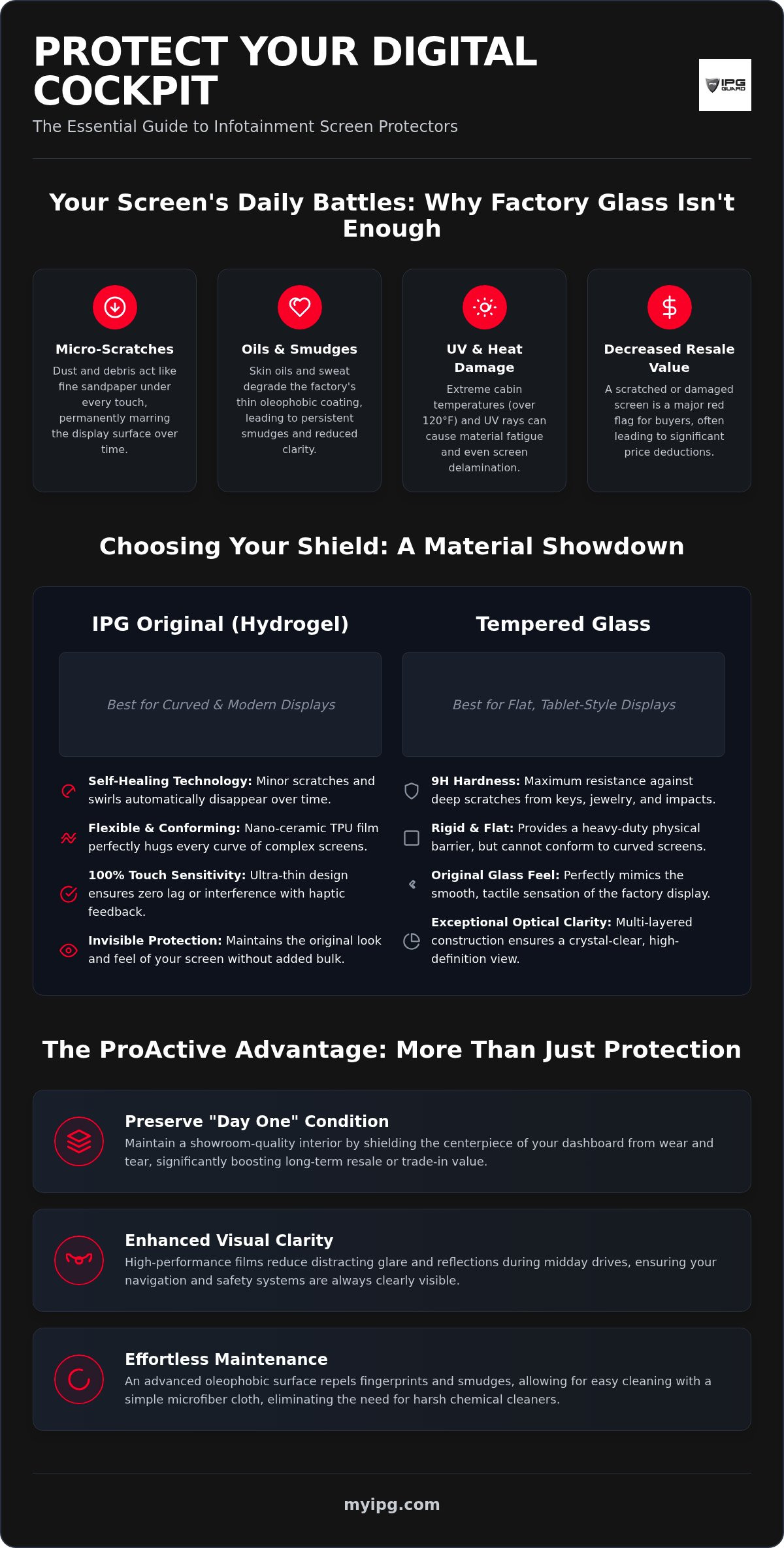
Factory screens face a constant assault. Dust particles act like sandpaper under the pressure of a fingertip. Skin oils and acidic sweat eventually eat through the thin oleophobic layer applied at the factory. Beyond physical touch, environmental stressors pose a silent threat. Intense UV rays and cabin heat reaching over 120 degrees Fahrenheit can cause long-term material fatigue. This degradation directly impacts your vehicle's resale value. Buyers in the pre-owned market view a scratched or delaminated screen as a sign of neglect. This often leads to significant price deductions during trade-ins or lease returns.
Why Factory Glass Isn’t Enough
OEM displays are designed for clarity, but they often lack extreme durability. Most manufacturers apply a basic coating to reduce glare. This coating is sacrificial. It wears thin within months of regular use. Once it's gone, the bare glass or plastic is prone to permanent micro-marring. Understanding the various screen protector materials is essential for long-term stewardship. Generic coatings can't self-heal or absorb heavy impacts. In high-heat regions, factory screens are even susceptible to delamination, where the display layers begin to separate. A high-quality shield acts as a thermal and physical barrier, preserving the structural integrity of the OEM unit.
The Aesthetic Advantage of Protection
Maintaining a showroom-quality interior requires proactive care. A specialized infotainment screen protector keeps the cockpit looking pristine. It eliminates the constant need for harsh chemical cleaners that can cloud the display over time. Instead, an advanced oleophobic surface allows for easy maintenance with a simple microfiber wipe. You gain more than just protection; you gain visual consistency. High-performance films reduce distracting reflections during midday drives. This ensures your navigation and safety feeds remain visible in all lighting conditions. By shielding the centerpiece of your dashboard, you ensure the interior remains a modern, high-value environment. Secure the glass. Preserve the experience.
Choosing the Right Material: Hydrogel vs. Tempered Glass
Selection of an infotainment screen protector begins with understanding your screen's geometry. In 2026, automotive design has shifted toward integrated, sweeping displays. These aren't just flat rectangles; they often feature complex curves and matte finishes. Choosing the wrong material can lead to edge lifting or reduced visibility. You need a solution that respects the original engineering of your dashboard. Precision matters. Your choice between hydrogel and tempered glass dictates how your technology feels and responds every time you drive.
IPG Hydrogel: The Invisible Guardian
Modern, non-flat displays require a flexible approach. IPG Original (Hydrogel) is a nano-ceramic coated thermoplastic polyurethane (TPU) film. It is engineered to contour perfectly to curved surfaces where rigid glass would fail. The primary advantage is its self-healing property. Minor abrasions from jewelry or cleaning tools vanish as the material returns to its original state. Because it's ultra-thin, it maintains 100% touch sensitivity. You won't experience the lag or "dead spots" common with thicker, generic alternatives. It's the ideal choice for maintaining the sleek, original lines of a modern cockpit.
Tempered Glass: Heavy-Duty Shielding
If your vehicle features a flat, tablet-style display, tempered glass remains a robust choice. It offers a 9H hardness rating, providing maximum resistance against deep scratches. The optical clarity is exceptional. It mimics the tactile feel of the factory glass perfectly. However, glass is rigid. It cannot conform to the ergonomic curves found in many new EVs. For flat-mount command centers, it provides a high-definition, heavy-duty barrier that feels indistinguishable from the original surface. It's a traditional shield for those who prioritize maximum impact protection on flat surfaces.
Finding the perfect equilibrium between protection and performance is a science. Our ProActive technology is designed specifically for high-traffic navigation screens. It utilizes specialized coatings to repel fingerprints and skin oils. This ensures your screen stays legible and responsive during critical driving moments. Whether you choose the self-healing flexibility of hydrogel or the impact resistance of glass, the goal remains the same: stewardship of your technology. Don't settle for "one size fits all" solutions. Secure your interior with custom-fit protection designed for your specific make and model.
Specialized Protection for EVs, Trucks, and Industrial Tools
The shift toward electric vehicles has transformed the dashboard into a massive glass canvas. These displays aren't just for music; they're the brain of the vehicle. Protecting a 15.6" BYD Seal or a Tesla Model 3 command center requires more than a generic film. It demands an infotainment screen protector engineered for large-scale surface area. Unlike smaller screens, these "super-sized" displays are prone to structural stress and thermal expansion. Precision-cut kits ensure that every millimeter is covered without obstructing critical sensors or proximity detectors. Guard your tech. Maintain your edge.
Precision matters when dealing with high-value hardware. Universal kits often require manual trimming, which creates jagged edges where dust and oils can accumulate. We specialize in custom-fit solutions that respect the engineering of your device. Whether you're navigating a job site or the open ocean, your screen is the primary interface between you and your data. Don't leave it exposed to the elements.
EV Display Challenges: Glare and Fingerprints
Sunlight is the primary enemy of the modern EV cockpit. With glass roofs and expansive windows, glare often renders navigation screens unreadable during midday drives. This is where anti-glare screen protectors become essential safety equipment. While manufacturers use specialized glass in infotainment systems, it remains vulnerable to the oils and salts from your skin. Our ProActive for BYD 2022-2025 SEAL Navigation Display Screen Protector (15.6" inch) is specifically designed to manage light diffusion. It maintains the crisp response of the original interface while shielding the underlying glass from permanent smudges.
Beyond the Dashboard: Industrial and Marine
Technology protection extends far beyond the passenger cabin. In the workshop, diagnostic tools like the Snap-on Triton, Apollo, or Solus face grease, metal shavings, and heavy impacts. A ruggedized infotainment screen protector is the only barrier between a functioning tool and a costly repair. Similarly, marine environments are brutal on electronics. Lowrance Eagle 4" and Elite HDS Pro fishfinders endure constant salt spray and direct UV exposure. Without a specialized shield, these screens cloud and crack under environmental pressure. For those on two wheels, the Harley Cluster Display requires protection from road debris and weather. We provide specialized guardians for these displays to ensure your vitals remain visible at high speeds. Secure your tools. Preserve your vision.
Professional Installation: How to Achieve a Bubble-Free Finish
A vehicle cabin is an active environment. Dust, lint, and static electricity are constant variables. Achieving a professional finish on your infotainment screen protector requires a controlled workspace. Power down your vehicle. Ensure the HVAC system is off to prevent air circulation. Static-heavy upholstery can attract particles to the screen the moment you peel the backing. Work in a well-lit area to spot every speck of debris before the film makes contact. Preparation is 90% of the process. Precision is the rest.
Choosing the application method is critical. While some films use a wet install, our ProActive line is engineered for a dry application. This eliminates the risk of liquid ingress into sensitive dashboard electronics. Dry application requires higher precision during the initial alignment but provides an immediate, secure bond. It's the safest way to guard high-value technology without risking moisture damage to the internal circuitry.
The Pre-Installation Checklist
A pristine surface is mandatory. Use a high-quality microfiber cloth and a dedicated screen cleaner to remove oils and factory residue. Standard glass cleaners can be too harsh for OEM coatings, so stick to specialized electronics cleaners. Follow these steps for a clean slate:
- Sanitize: Wipe the screen and your own hands to prevent fingerprint transfer to the adhesive side.
- De-dust: Use the provided dust absorber sticker to lift microscopic particles. A single hair will create a permanent bubble.
- Alignment Check: Perform a "dry fit" with the backing still on. Identify the exact margins near the bezel, knobs, and physical buttons.
Step-by-Step Application Guide
Precision is the goal. Start by peeling only a small section of the backing. Align the exposed edge with the top or side of the display bezel. Once satisfied, slowly peel the remaining backing while using a squeegee to apply the film. Work in firm, overlapping strokes from the center toward the edges. This movement drives air out before it becomes trapped. For curved displays using IPG Original (Hydrogel), pay close attention to the perimeter. Apply light pressure to the edges to ensure the film conforms to the screen's contour. If a bubble persists, lift the edge slightly with a piece of tape to remove the dust speck causing it. Learn more in the ultimate screen protector guide to master every display type.
Don't settle for a compromised view. Secure a flawless finish with our precision-cut installation kits designed for your specific vehicle make and model.
IPG ProActive: Advanced Guardianship for Your Tech
My IPG is more than a manufacturer; we are the dedicated specialist in protective stewardship. We call ourselves the Guardian of Technology because we understand the emotional and financial investment tied to your high-value items. Our infotainment screen protector solutions represent the culmination of material science and precision engineering. By utilizing a nano-ceramic coated thermoplastic polyurethane (TPU) matrix, we ensure that your command center remains impervious to 9H-level abrasions. We don't believe in universal compromises. We believe in meticulous reliability. Secure your cockpit. Trust the expert.
Our commitment to excellence extends across the globe through rapid, results-oriented distribution. With worldwide shipping, our specialized automotive kits are accessible to tech enthusiasts on every continent. Each kit is a testament to our meticulousness, ensuring that your high-end devices are handled with care from our facility to your dashboard. Whether you're shielding a luxury sedan or a rugged diagnostic tool, our films provide a specialized barrier that preserves what you value most. Maintain your integrity. Preserve your vision.
The My IPG Difference: Precision and Stewardship
Precision-cut design is the core of our philosophy. We don't just cover glass; we account for every sensor, proximity detector, and physical bezel requirement. Our Original (Hydrogel) film is the premier choice for 2026 tech enthusiasts who demand an invisible, high-performance interface. It provides a tactile experience indistinguishable from the factory screen while offering advanced impact absorption. This level of detail ensures that your technology remains functional and pristine. We treat your vehicle’s centerpiece with the care it deserves, ensuring long-term display integrity without the bulk of generic alternatives.
Complete Vehicle Personalization
Protection shouldn't stop at the dashboard. We offer a holistic approach to vehicle preservation that integrates functional shielding with personalized aesthetics. Our product lineup includes specialized decals designed to protect high-traffic exterior components. For example, our Tesla Model 3 / Model Y door handle decal prevents micro-scratches from rings and keys on delicate paint surfaces. Similarly, our Decal Honda Center Cap Overlay Wheel Tire Decals provide a custom finish while guarding factory emblems from road salt and debris. These solutions allow you to maintain every surface of your vehicle with professional-grade confidence.
This ecosystem of protection extends to your mobile devices as well. You can explore phone camera lens protectors to ensure total security for your personal technology. From the cockpit of your car to the lens in your pocket, we serve as your partner in maintenance. Secure every surface. Maintain every value. Choose the guardian that understands the science of preservation.
Future-Proof Your Digital Cockpit
Your vehicle's command center is too valuable to leave exposed. We've explored how the right infotainment screen protector preserves clarity, prevents micro-scratches, and maintains your car's long-term resale value. Whether you choose the self-healing flexibility of our Original (Hydrogel) film or the rugged durability of tempered glass, the goal is total stewardship of your technology. Precision matters. A custom-fit shield ensures that every sensor and haptic response remains perfectly calibrated for the road ahead. Don't settle for universal compromises when your interface demands exact specifications.
We are the dedicated guardians of your high-value displays. Trusted by thousands of EV and truck owners, our solutions offer a precision-fit for the latest 2026 vehicle models. Our advanced ProActive material technology delivers a crystal-clear, oleophobic surface that stands up to daily wear and environmental heat. Don't wait for the first permanent scratch to occur. Secure Your Display with IPG Precision-Cut Protectors and drive with the confidence that your interface is fully shielded. Your cockpit deserves the best protection available. Take the step to preserve your vision today.
Frequently Asked Questions
Do infotainment screen protectors interfere with touch sensitivity?
High-quality protectors don't interfere with touch sensitivity. Our ProActive and Original (Hydrogel) materials are engineered to be ultra-thin, ensuring zero interference with haptic feedback or capacitive responses. You'll maintain the exact tactile feel of the factory glass. Cheap, thick plastic alternatives may cause lag, but our precision-cut films are designed specifically for high-performance automotive interfaces. Your screen stays fast and responsive.
Can I remove the screen protector without damaging the factory screen?
You can safely remove an infotainment screen protector without damaging the factory coating. We use advanced silicone-based adhesives that provide a secure bond but peel away cleanly when necessary. This allows you to replace the shield or return the vehicle at lease-end with the original display in showroom condition. Don't use sharp metal tools for removal; a fingernail or plastic card is sufficient.
Is tempered glass or hydrogel better for a car screen?
The choice depends on your vehicle's display geometry. IPG Original (Hydrogel) is superior for modern curved screens because it contours to non-flat surfaces and offers self-healing properties. Tempered glass is excellent for flat, tablet-style displays due to its 9H hardness and traditional glass feel. Most 2026 models with integrated dashboard displays benefit most from the flexibility of hydrogel technology. Choose based on your screen's shape.
How do I get air bubbles out of my screen protector after installation?
Use a squeegee or credit card wrapped in microfiber to push bubbles toward the nearest edge. If a bubble is caused by trapped air, firm pressure usually resolves it. However, if a dust speck is the cause, you must carefully lift the edge and use a dust absorber sticker. Many microscopic air bubbles in hydrogel films naturally dissipate within 24 to 48 hours as the material settles.
Will an anti-glare protector make my screen look blurry?
A premium anti-glare protector won't make your screen look blurry. While lower-grade matte films can reduce clarity, our specialized coatings are engineered to diffuse harsh sunlight while maintaining high-definition resolution. You'll experience reduced reflections and improved visibility during midday driving without compromising the sharp graphics of your navigation system. It's about light filtration, not image distortion. Enjoy a clear view in all conditions.
Are screen protectors necessary for Tesla and other EV displays?
Protection is essential for Tesla and other EV displays because these screens serve as the primary vehicle command center. Since physical buttons are absent, these screens endure constant touch interactions and heavy UV exposure from glass roofs. An infotainment screen protector shields these high-value components from micro-scratches and fingerprint oils that can degrade the factory oleophobic coating over time. Secure your centerpiece today.
Can I use a phone screen protector on my car navigation screen?
You shouldn't use a phone screen protector for your car's navigation system. Automotive displays face extreme temperature fluctuations and intense UV exposure that standard phone films aren't designed to handle. Car screens require precision-cut dimensions to account for specific bezels and sensors. Using a non-specialized film can lead to edge lifting, adhesive failure, or obstructed visibility in the cockpit. Only use custom-fit automotive solutions.
How long does a car infotainment screen protector typically last?
A high-quality infotainment screen protector typically lasts for several years under normal driving conditions. Our ProActive and Original (Hydrogel) films are designed for long-term durability against heat and frequent touch. While you may choose to refresh the protector if it sustains a heavy impact, it generally serves as a permanent guardian for the duration of your vehicle ownership or lease period. Invest in long-term security.