

Why does your premium smartphone feel like a cheap plastic toy the moment you apply protection? You invested in your device for its seamless, cool-to-the-touch interface, yet many films leave you struggling with sticky finger drag and a distorted "orange peel" texture. It's frustrating to compromise the tactile elegance of a new iPhone 17 or Galaxy S26 just to keep the display safe. You deserve a screen protector that feels like glass without sacrificing the security of your high-value technology.
We understand that preserving the "naked screen" feel is about more than just aesthetics; it's about maintaining the responsive, high-performance bond between you and your device. With the global screen protector market valued at US$56.2 billion in 2026, the industry has shifted toward high-density surface engineering to meet these demands. This guide explores the material science behind near-zero friction surfaces and explains how advanced oleophobic treatments eliminate oil buildup. You will learn how to identify protectors that offer professional-grade clarity while acting as a reliable, sacrificial layer for your screen. We'll help you navigate the latest technical specifications to ensure your device remains both pristine and protected.
Key Takeaways
- Master the material science behind haptic feedback to ensure your device maintains its premium, factory-fresh touch.
- Evaluate the performance differences between tempered glass and modern hydrogel to select a screen protector that feels like glass for any high-value device.
- Identify the critical role of advanced oleophobic coatings in eliminating "sticky" finger drag and maintaining visual clarity.
- Extend tactile excellence beyond the smartphone to automotive displays and industrial tools like BYD navigation systems and Autel diagnostic units.
- Learn how precision-cut technology and surface hardness ratings ensure a seamless, "naked" look that protects your investment without compromise.
What Defines a Screen Protector That Feels Like Glass?
The "naked screen" experience is the gold standard of modern electronics. It represents a state where the hardware disappears, leaving only a seamless interface between you and your digital world. For high-end devices like the iPhone 17 or Galaxy S26, this sensation is meticulously engineered by manufacturers. Achieving a screen protector that feels like glass requires replicating this exact tactile response. Cheap PET and TPU films often fail because they introduce a rubbery resistance that drags against your fingertip. This friction disrupts the fluid gestures you rely on for navigation. It feels unnatural and compromises the premium nature of your investment.
Haptic feedback and touch sensitivity are critical for user satisfaction. A protector shouldn't act as a barrier; it must be an invisible conduit. When materials are too thick or possess poor conductive properties, your device feels sluggish. This disconnect is frustrating for power users and professionals who depend on rapid, precise inputs. You need a solution that preserves the high-frequency vibration and pressure sensitivity of your original display.
The Material Science of Tactile Friction
Friction is the enemy of a premium touch experience. In the study of materials used for screen protectors, engineers focus on the coefficient of friction. Raw smartphone glass has an incredibly low coefficient, allowing fingers to glide effortlessly across the surface. While some niche products focus on "paper-like" friction for artists, most users demand the slick, high-speed response of original glass. This smoothness is essential for gesture-based navigation, where even a micro-second of lag feels wrong. A premium touch interface isn't just about protection. It's about the psychological comfort of knowing your device remains as responsive as the day you unboxed it.
Visual Integrity and the Glass Illusion
A true glass-like experience is as much visual as it is tactile. High-performance protectors target 99% transparency to ensure light transmission remains uncompromised. This mimics the raw glass look, preserving the vibrancy and color accuracy of modern OLED displays. Many plastic films suffer from the "Orange Peel" effect. This micro-texture distorts light, creating a shimmering, uneven surface that ruins screen clarity. By prioritizing optical integrity, a top-tier screen protector that feels like glass ensures every pixel remains sharp. It maintains the integrity of your visual experience while providing a robust, sacrificial layer against daily wear.
Hydrogel vs. Tempered Glass: The Battle for Touch Supremacy
The choice between hydrogel and tempered glass used to be simple. Glass was for feel. Film was for fit. In 2026, material science has blurred these lines. Finding a screen protector that feels like glass now involves understanding high-density polymers and thermal processing. Each material offers distinct advantages. They protect your high-value items differently. We treat your devices with the care they deserve by providing specialized solutions for every use case.
Why Tempered Glass Remains the Tactile King
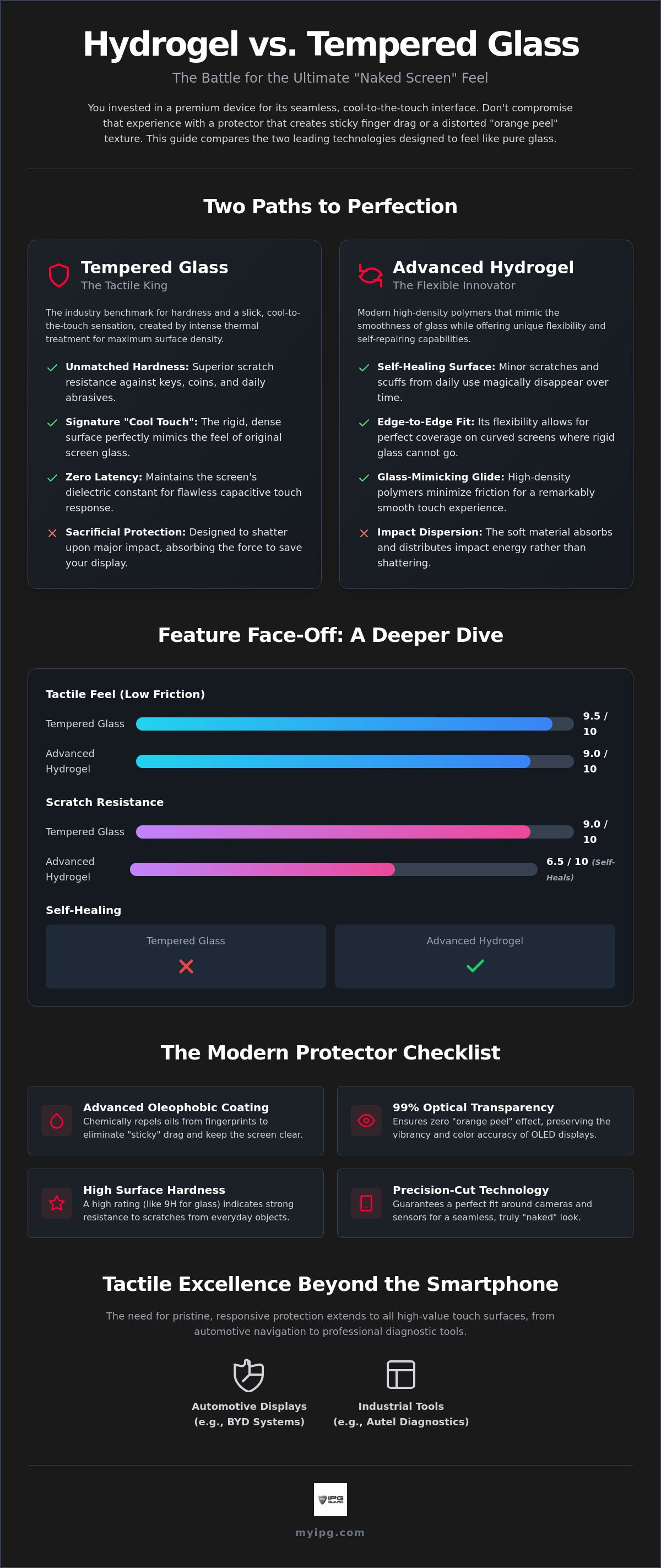
Tempered glass is the industry benchmark for surface density. Intense heat treatment. Rapid cooling cycles. These create an incredibly hard, smooth structure. This thermal tempering delivers the "cool touch" sensation associated with premium hardware. It's a high-performance second skin. Because of its rigidity, tempered glass preserves the precision of how capacitive touchscreens work by maintaining a consistent dielectric constant. It ensures your inputs are registered with zero latency.
Modern manufacturing adds beveled edges. These are 2.5D or 3D contours. Polished slopes ensure swiping feels seamless. No sharp drop-off. No tactile snag to interrupt your workflow. If you prioritize maximum scratch resistance and signature slickness, tempered glass is your primary choice. It's a robust, sacrificial layer designed to shatter so your screen doesn't.
The Rise of Glass-Mimicking Hydrogel
Hydrogel has evolved. It's no longer a soft, rubbery film. Advanced polymers achieve high-gloss smoothness. The IPG Original (Hydrogel) Screen Protector utilizes a high-density surface layer. It minimizes friction. It offers a unique advantage: self-healing properties. Micro-scratches from keys or coins disappear. It maintains a pristine look without glass brittleness. This material is engineered for those who demand protection that remains invisible to the touch.
Hydrogel is significantly thinner and lighter. It's the perfect solution for curved displays. Full-coverage edge-to-edge protection. It feels integrated into the original design. For those seeking a screen protector that feels like glass with flexible, impact-absorbing properties, modern hydrogel is a formidable competitor. Explore our range of specialized protectors to find your perfect balance. It's about preserving what you value most without compromising the user experience.
Choosing between them is a matter of priority. Tempered glass excels at scratch protection. Hydrogel is the master of impact dispersion. Both materials maintain the integrity of your personal devices. Your touch experience remains elite. We ensure your high-value technology stays protected and responsive.
Key Features to Look for in a Glass-Feel Protector
Don't be distracted by flashy packaging or generic marketing claims. Selecting a screen protector that feels like glass requires a meticulous look at technical specifications. High-performance protection is an investment in your device's longevity. You need to understand the individual layers that contribute to a seamless user experience. We focus on the engineering details that others ignore, ensuring your high-value technology remains responsive and pristine.
The Role of Oleophobic Nano-Coatings
The "slick" sensation you associate with a new device comes from a specialized oleophobic layer. This nano-coating is an oil-repellent barrier that prevents skin lipids from clinging to the surface. Without it, your finger experiences "stutter" or drag. High-quality protectors use vacuum-evaporated coatings that bond deeply with the substrate. Cheap alternatives often lose this property within 30 days, leaving you with a sticky, fingerprint-prone mess. To maintain this premium feel, avoid harsh chemicals during cleaning. A simple microfiber cloth is usually enough to preserve the integrity of the coating. We recommend regular, gentle maintenance to keep your interface performing at its peak.
Surface hardness is another area where clarity is essential. You've likely seen "9H" prominently displayed on almost every product. It's vital to recognize that this refers to the pencil hardness scale, not the Mohs scale of mineral hardness. A 9H rating means the surface resists scratching from a 9H lead pencil. While this provides excellent defense against keys and coins, it isn't an absolute shield against all environmental hazards. High-density materials provide the best balance of hardness and impact dispersion, acting as a reliable, sacrificial layer for your screen.
Adhesion and Touch Response
The bond between the protector and the display determines the tactile feedback you receive. Modern devices rely on complex components of a touch screen to register even the slightest pressure. Low-quality protectors use edge-glue methods that create a microscopic air gap. This gap results in a "mushy" response and reduced sensitivity. You want a full-glue, nano-adhesion solution. Nano-adhesion technology eliminates the air gap between the protector and the display, ensuring that every gesture preserves 1:1 touch accuracy. This level of precision ensures zero latency, making the protection feel entirely invisible during daily use. Protect what you value with components engineered for high-frequency performance.
Tactile Excellence Beyond the Smartphone
Touch interfaces have migrated far beyond your pocket. They now command your vehicle's navigation, your professional workshop diagnostics, and your critical marine electronics. These high-value assets demand the same level of tactile precision as your primary smartphone. You require a screen protector that feels like glass to preserve the factory-engineered interface of these specialized systems. We treat these displays as essential tools, providing a level of stewardship that maintains both clarity and response.
Protecting High-Value Automotive Glass
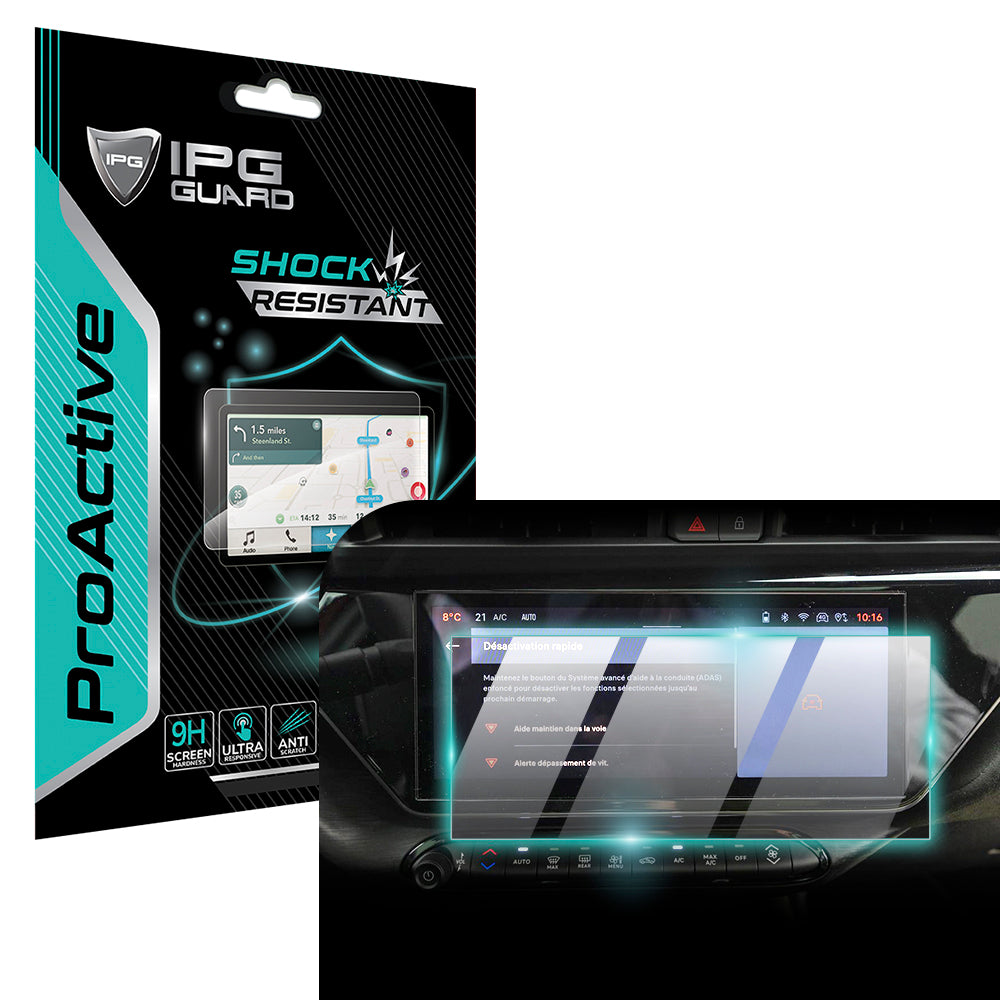
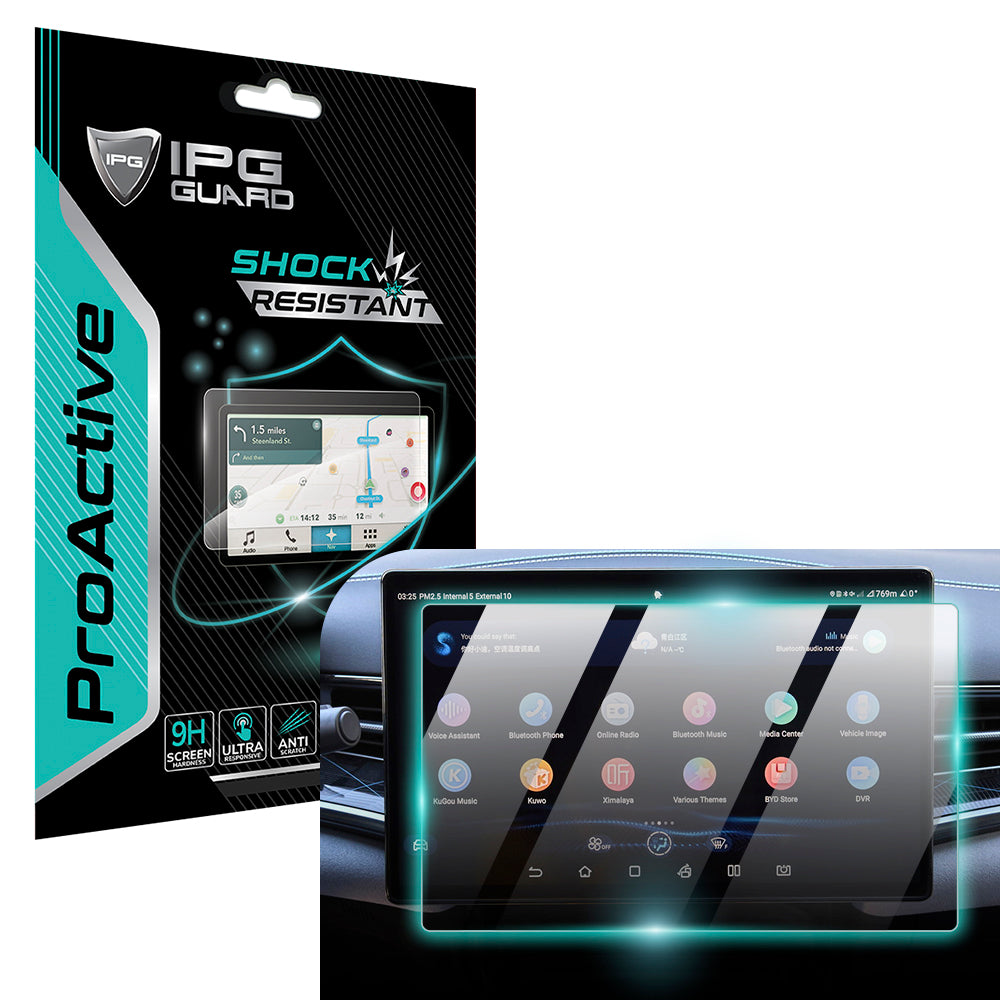
Modern vehicle interiors are dominated by expansive glass panels. Preserving the premium feel of the BYD Seal 15.6 inch display or a Tesla Model 3 center console is a priority for any owner. These screens face unique challenges. Constant sunlight. Temperature fluctuations. High-traffic interaction. A specialized shield must balance anti-glare properties with the signature slickness of glass. You don't want a matte finish that turns your infotainment system into a cloudy, textured mess. Our solutions prioritize light filtration and fingerprint resistance, ensuring your center console remains a clean, high-performance hub.
Precision Touch for Professional Tools
In a professional workshop, your diagnostic equipment is your lifeline. This is why glass-feel is critical for diagnostic tools like Snap-on and Autel. Technicians often work in harsh environments where grease and grit are constant threats. You need a shield that maintains glove-touch compatibility without losing tactile clarity. A high-response screen protector that feels like glass ensures that your Autel MaxiSYS or Snap-on Triton remains as responsive as the day it was commissioned. Durable protection shouldn't mean a bulky, unresponsive interface. We provide precision-cut shields that act as a guardian for your most valuable professional gear.
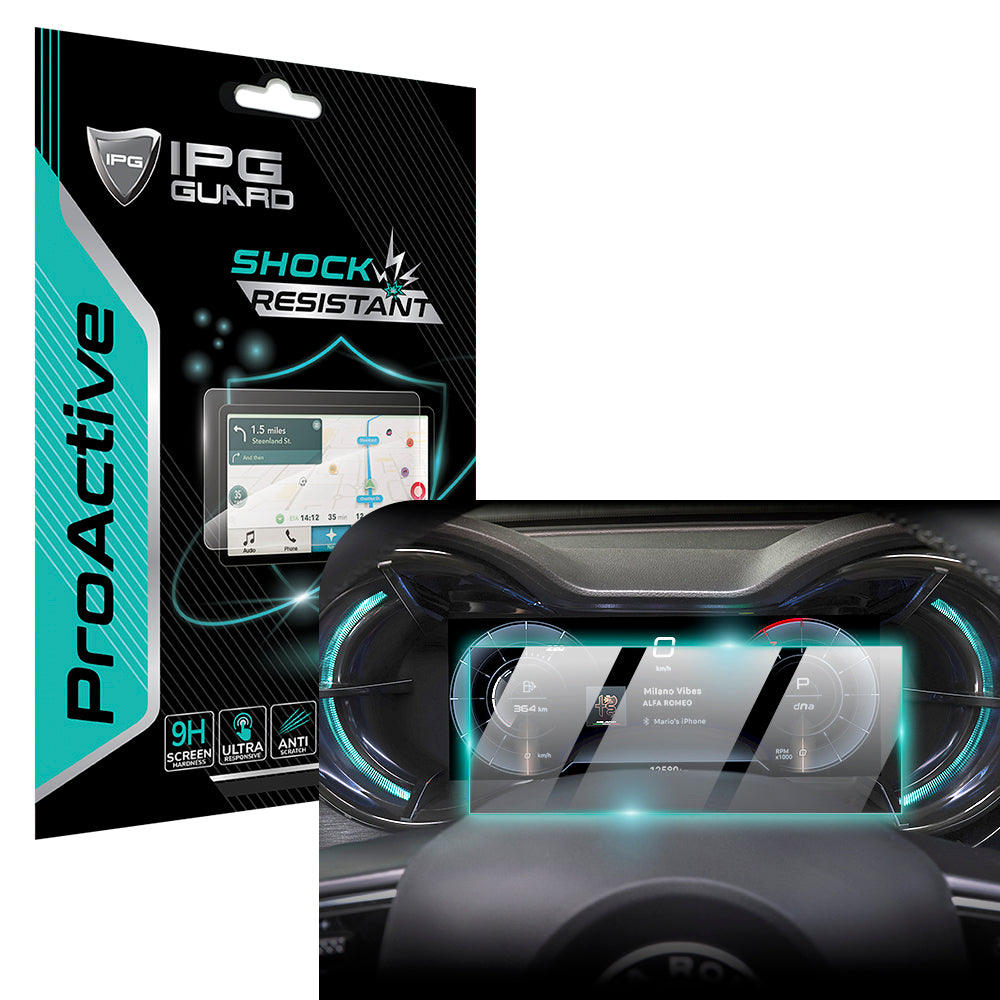
Tactile excellence extends to the water and the wrist. Marine electronics like the Lowrance Eagle 4 Elite require touch accuracy in high-moisture environments. Similarly, wearables like the Garmin DESCENT or Apple Watch need a surface that resists salt and sweat while feeling seamless against the skin. Whether it is a Volkswagen emblem logo or a Harley cluster display, every surface deserves a tailored protective solution. Don't settle for generic films that degrade your experience. Explore our full catalog of specialized protective shields and maintain the integrity of every display you own.
The IPG Advantage: Engineered for the Ultimate Touch
IPG stands as a dedicated specialist in the preservation of high-value electronics. We don't just sell covers. We provide stewardship over the items you value most. Our engineering team blends aerospace-grade durability with a refined, retail-oriented elegance that complements your hardware. Finding a screen protector that feels like glass is the result of our focused investment in material properties and surface density. We understand the emotional and financial value of your devices. That's why we treat every shield as a critical component of your user experience, ensuring your technology remains as pristine as the day you bought it.
Our precision-cut technology is the foundation of the "naked" look. We use high-accuracy measurement data to ensure every edge aligns perfectly with your device's contours. This eliminates the tactile snags and visual clutter common with generic alternatives. Whether it's a curved smartphone display or a flat industrial interface, the fit is seamless. It's a methodical approach that mirrors the efficiency of the products we protect. By choosing our specialized materials, you're opting for a high-end partner in maintaining the integrity of your personal devices.
Our Commitment to Tactile Preservation
We engineer our iPhone and Samsung protectors with a specific focus on zero-latency response. By maintaining the original dielectric constant of the display, we ensure your haptic feedback remains crisp and immediate. Installation is often where the user experience fails, but our IPG Zerodust Screen Protector technology addresses this directly. It facilitates a perfect, bubble-free application that feels identical to raw glass. We provide custom solutions for everything from Harley clusters to camera lenses, ensuring every point of interaction is shielded with meticulous precision.
Join the IPG Protection Revolution
IPG offers the best "glass feel" in the industry because we refuse to compromise on surface engineering. We've moved beyond simple films to create advanced hybrid composites and treated tempered glass that withstands daily rigors. Our oleophobic treatments are vacuum-evaporated for maximum longevity, preventing the sticky drag that plagues cheap protectors. You deserve a screen protector that feels like glass regardless of the device you're using. From your home office to your vehicle and your professional workshop, we are the innovators in display integrity. Safeguard your entire ecosystem of professional and personal technology with our specialized shields. We invite you to experience the IPG difference and elevate your device protection today.
Secure Your Premium Touch Experience
Material science has successfully bridged the gap between robust protection and the raw screen feel you value. Achieving a seamless interface requires more than just a cover. It requires high-density surface engineering and a meticulous fit. Prioritize vacuum-evaporated oleophobic coatings and full-glue adhesion to keep your displays responsive. These technical details ensure your high-value technology remains pristine under any conditions.
IPG is your dedicated partner in maintaining the integrity of your personal devices. We utilize aerospace-grade materials and precision-cut technology to support thousands of unique models. Our advanced oleophobic coatings provide the zero-drag touch you demand. It's the definitive way to secure a screen protector that feels like glass while maintaining total security. Don't let your protective layer become a barrier to your digital experience.
Take the final step in preserving your investments with confidence and clarity. Experience the Invisible Protection of IPG Today and enjoy the peace of mind that comes with professional-grade stewardship. Your technology is ready for the ultimate shield.
Frequently Asked Questions
Do hydrogel screen protectors feel like glass?
Yes, modern hydrogels are engineered for high-gloss smoothness. The IPG Original (Hydrogel) Screen Protector uses a high-density polymer to reduce surface friction. It provides a slick interface that closely replicates the factory finish of your device. While older films felt rubbery, these advanced materials prioritize tactile precision. It's an ideal solution for those who want a screen protector that feels like glass on curved displays where tempered glass might struggle with edge adhesion.
Why does my screen protector feel sticky or rubbery?
Stickiness is typically a sign of poor material quality or a worn-out oleophobic layer. Low-grade plastic films lack the surface density required for a smooth glide. Over time, skin oils accumulate and create a "tacky" sensation. Choosing a protector with a vacuum-evaporated coating prevents this buildup and maintains a cool touch. Maintain your device by wiping it regularly with a clean cloth to preserve that signature slickness and visual clarity.
Can I use a screen protector with a stylus and still have it feel like glass?
You can maintain a glass-like feel with a stylus by selecting a material with high surface hardness. Tempered glass is the gold standard for this application. It provides a rigid, low-friction surface that prevents the stylus nib from dragging or catching. This ensures your digital handwriting or drawing feels natural and responsive. Avoid soft TPU films, as they often create a "mushy" resistance that hinders precision and slows down your workflow.
How long does the oleophobic coating last on a glass-feel protector?
The lifespan of an oleophobic coating varies based on usage intensity and maintenance. On a premium screen protector that feels like glass, you can expect the coating to remain effective for 6 to 12 months. Frequent contact with abrasive fabrics or harsh chemicals will accelerate degradation. We recommend using gentle cleaning methods to extend the life of this critical oil-repellent barrier. Once the coating wears off, surface friction and fingerprint visibility will noticeably increase.
Is tempered glass better than film for touch sensitivity?
Tempered glass is traditionally better for touch sensitivity because its rigidity ensures a consistent contact point. It interacts seamlessly with capacitive sensors to provide zero-latency feedback. However, high-end hydrogel options have closed this gap significantly. By using full-glue nano-adhesion, these protectors eliminate the air gaps that cause missed inputs. Both materials are engineered to maintain the high-frequency response required for modern smartphones, automotive displays, and professional diagnostic tools.
How do I clean my screen protector to maintain that smooth glass feel?
Cleaning should be handled with care to protect the surface engineering. Use a dry microfiber cloth for daily maintenance. If deep cleaning is necessary, use a small amount of distilled water or a specialized screen cleaner. Never use household glass cleaners or high-concentration alcohol. These substances strip away the protective nano-coatings that provide the smooth, glass-like touch. Meticulous care ensures your shield remains responsive and clear for the duration of its life.
Does a "glass-feel" protector offer the same impact protection as actual glass?
Impact protection is distinct from surface feel. A "glass-feel" protector focuses on tactile response, while impact protection is about energy dispersion. Tempered glass is a sacrificial layer designed to shatter upon impact, absorbing the force that would otherwise break your screen. Advanced hydrogels use elastic properties to distribute shock and prevent cracks. Both offer significant security for your high-value items, but they manage physical stress through different material behaviors.
Will a screen protector affect the fingerprint sensor on my phone?
A high-quality protector won't interfere with your fingerprint sensor if it's installed correctly. Ultrasonic sensors are particularly sensitive to air gaps and material thickness. Precision-cut shields with full-surface adhesive ensure a direct bond for accurate readings. Always re-register your fingerprints after applying a new protector to calibrate the sensor to the additional layer. This ensures your biometric security remains fast and reliable without compromising the device's original functionality.